










Right then, let’s get stuck into what’s happening with AI in dental imaging. Simply put, AI is making a real impact on how dental professionals view and interpret X-rays and scans, offering more precise diagnostics and streamlining workflows. It’s not just a futuristic idea anymore; it’s here, and it’s bringing some rather handy tools to […]

Clinical Decision Support: AI at the Point of Care
Clinical Decision Support (CDS) systems are essentially smart tools that help healthcare professionals make better, faster, and more informed decisions right when they need to – at the patient’s bedside, during a consultation, or in the middle of a complex diagnosis. Think of them as intelligent assistants, leveraging artificial intelligence (AI) to analyse vast amounts […]
How AI Is Transforming Dental Diagnosis
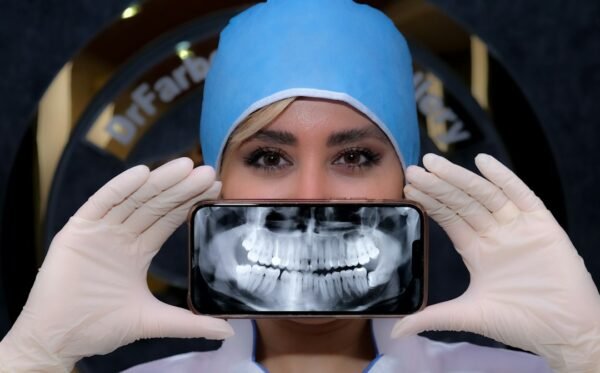
So, how exactly is AI changing dental diagnosis? Put simply, AI is becoming a powerful assistant to dentists, helping them spot issues more accurately and often earlier than ever before. It’s not about replacing the human touch, but enhancing it with the computational power to analyse vast amounts of data from X-rays, scans, and patient […]

AI in Dentistry: The Complete Guide
Welcome to the fascinating world where artificial intelligence meets dentistry! If you’re wondering how AI is actually making a difference in dental practices, the short answer is: quite significantly, and in a growing number of ways. From helping diagnose issues more accurately to streamlining administrative tasks, AI tools are already here, quietly transforming how dental […]
AI in Biomedical Research: Trends and Tools
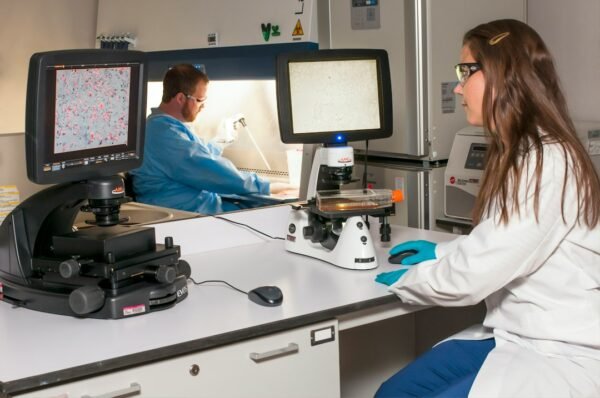
Artificial intelligence (AI) is rapidly transforming biomedical research, offering powerful new ways to analyse complex data, accelerate drug discovery, and personalise medicine. We’re moving beyond the hype and seeing tangible applications emerge, from identifying disease biomarkers to optimising clinical trials. This article will delve into the current trends and the practical tools researchers are actually […]

AI for Healthcare Data Analytics
Right then, let’s get stuck into how AI is making a real difference in healthcare data analytics. In a nutshell, AI isn’t some futuristic pipe dream anymore; it’s here, and it’s helping us make sense of the mountain of healthcare information we generate every day. Think of it as a super-smart assistant that can spot […]
The AI-Powered Hospital: A Roadmap for the Next Decade
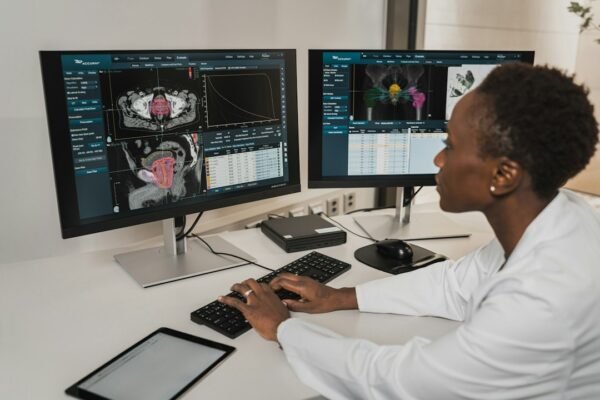
The AI-powered hospital for the next decade will likely be characterised by a significant integration of artificial intelligence across virtually all operational and clinical functions, moving from isolated pilot projects to systemic implementation. This isn’t about robots replacing every human, but rather intelligent systems supporting staff, streamlining processes, and personalising patient care in ways previously […]
The Intelligent Hospital: Building AI-Ready Clinical Systems
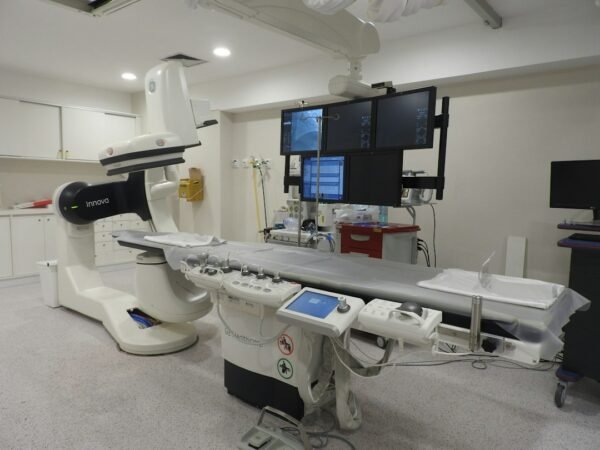
The idea of an ‘intelligent hospital’ isn’t some far-off sci-fi fantasy anymore; it’s steadily becoming our reality. At its core, an intelligent hospital leverages artificial intelligence (AI) to transform clinical systems, making healthcare delivery safer, more efficient, and ultimately, more personalised for patients. We’re talking about everything from predictive analytics for patient deterioration to AI-assisted […]
AI in Healthcare: From Diagnosis to Delivery
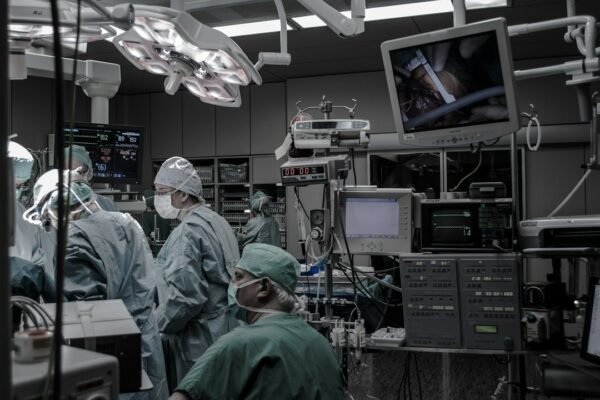
Alright, let’s talk about AI in healthcare. Simply put, AI is making a pretty big splash, helping out right from working out what’s wrong with someone to getting treatments to them. It’s not about robots replacing doctors, but more about giving medical professionals some incredibly powerful tools to do their jobs even better and more […]
AI and the Future of Medical Education
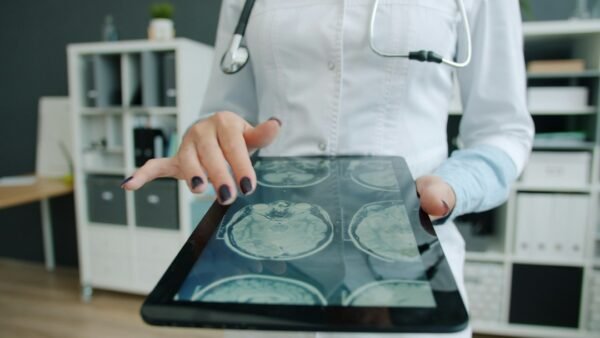
The integration of Artificial Intelligence (AI) is set to profoundly reshape medical education, moving beyond the traditional classroom and clinical settings to offer personalised, adaptive, and highly efficient learning experiences. Rather than replacing educators, AI tools will augment their capabilities, providing students with richer resources, real-time feedback, and exposure to a wider array of clinical […]