





So, how exactly is AI changing dental diagnosis? Put simply, AI is becoming a powerful assistant to dentists, helping them spot issues more accurately and often earlier than ever before. It’s not about replacing the human touch, but enhancing it with the computational power to analyse vast amounts of data from X-rays, scans, and patient records, highlighting potential problems that might otherwise be subtle or easily missed. This translates to more precise treatment planning and, ultimately, better outcomes for patients.
The Foundations: What AI Brings to the Dental Clinic
Before we dive into the nitty-gritty of specific applications, it’s worth understanding the core capabilities AI brings to the dental world. We’re talking about sophisticated algorithms and machine learning models that are trained on enormous datasets of dental images and patient information. Think of it like a highly dedicated, super-fast intern who has studied millions of dental cases and can now apply that learning to new ones.
Enhanced Image Analysis
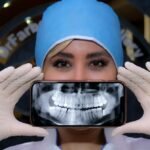
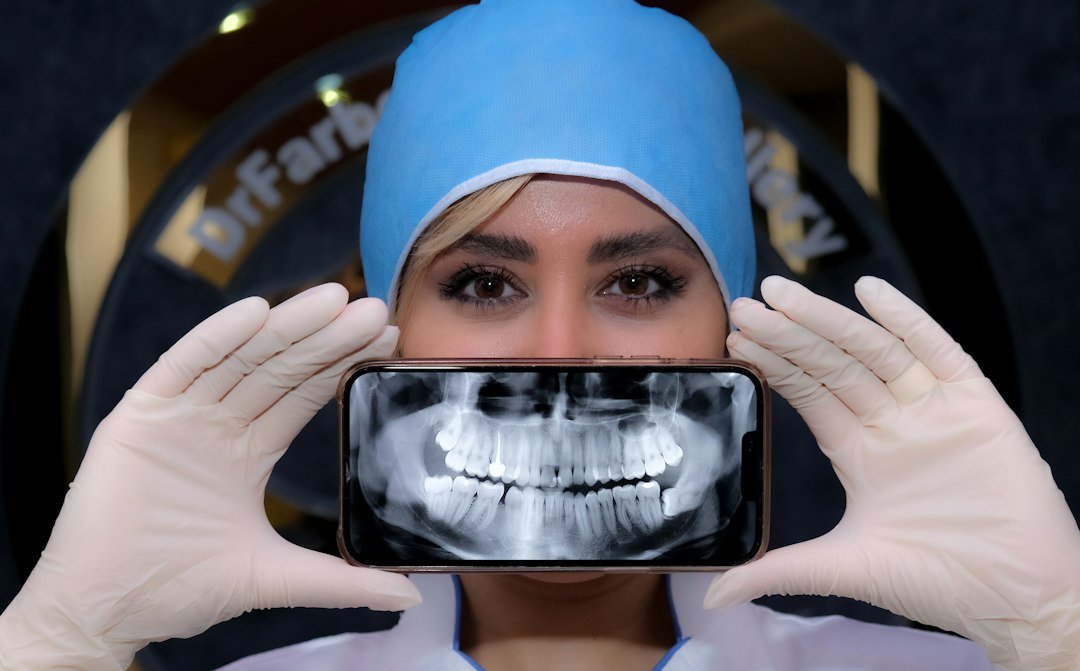
One of the most immediate and impactful contributions of AI is in the analysis of dental imagery. Dentists routinely rely on X-rays, intraoral scans, and CBCT (Cone Beam Computed Tomography) scans to get a clear picture of what’s going on inside a patient’s mouth. These images, while incredibly valuable, can also be complex and require a keen eye to interpret fully. This is where AI truly shines.
Traditional diagnosis relies heavily on the dentist’s experience and visual acuity. While highly skilled, humans can still miss subtle indicators or experience fatigue when reviewing numerous images throughout a busy day. AI systems, however, don’t get tired, and they’re trained to spot patterns that might be imperceptible to the human eye. They can meticulously examine every pixel of an image, flagging areas of concern with impressive consistency.
Data-Driven Pattern Recognition
Beyond just images, AI excels at finding patterns within large datasets. This includes not only visual data but also textual information from patient histories, symptoms reported, and previous treatment records. By cross-referencing all this information, AI can build a more comprehensive understanding of a patient’s oral health, identifying correlations and risk factors that might not be immediately obvious to a human practitioner. This holistic approach helps in predicting potential issues before they become significant problems.
Consistency and Objectivity
One of the inherent challenges in any diagnostic field is maintaining consistency across different practitioners and even within the same practitioner over time. AI introduces a new level of objectivity. Once an AI model is trained, it applies the same criteria and logic to every single case. This reduces variability in diagnosis, leading to more standardised and reliable assessments. For practices with multiple dentists, this can ensure a more uniform approach to care, which is beneficial for both practitioners and patients.
Detecting the Undetectable: AI in Caries and Periodontal Disease Diagnosis
Let’s get specific. Two of the most common issues dentists tackle daily are dental caries (tooth decay) and periodontal disease (gum disease). These conditions, if caught early, are often much easier and less invasive to treat. This is precisely where AI is making a significant difference.
Unmasking Caries
Detecting early-stage tooth decay, especially interproximal (between teeth) or incipient (just starting) lesions, can be tricky. These can be tiny and blend in with the surrounding tooth structure on traditional 2D X-rays. AI algorithms, however, are specifically trained to identify these subtle changes in density and structure that indicate the presence of decay.
AI’s Role in Early Caries Detection
AI systems can analyse radiographs and highlight areas where demineralisation might be occurring, often before it’s visually apparent to the human eye or even before it causes any symptoms for the patient. This early detection means that dentists can intervene with less invasive treatments, such as fluoride varnish or sealants, rather than waiting until a cavity is large enough to require a filling. This proactive approach saves patients discomfort, time, and money in the long run.
Moreover, AI can help differentiate between actual decay and other features on an X-ray that might mimic decay, reducing false positives and unnecessary interventions. It’s about providing a clearer, more precise picture of the tooth’s health.
Pinpointing Periodontal Issues
Periodontal disease is another silent culprit that can lead to tooth loss if left untreated. Its diagnosis often involves assessing bone levels, pocket depths, and inflammation. While dentists are skilled at this, AI can provide an additional layer of precision, particularly in analysing bone loss from X-rays.
Quantifying Bone Loss with AI
AI algorithms can be trained to accurately measure and monitor changes in alveolar bone levels over time. By comparing current X-rays with previous ones, AI can quantify even minute amounts of bone loss that might indicate the progression of periodontal disease. This objective measurement helps dentists track the disease’s activity more effectively and tailor treatment plans accordingly. It also assists in identifying areas where bone loss is accelerating, prompting more aggressive intervention if needed.
The ability of AI to consistently measure bone levels provides a powerful tool for monitoring the effectiveness of periodontal treatments. Dentists can get clear, data-driven feedback on whether their interventions are stabilising or improving a patient’s bone health, leading to more responsive and effective care.
Beyond the Obvious: AI in Oral Pathology and Orthodontics
The scope of AI in dental diagnosis isn’t limited to the everyday. It’s also proving invaluable in more complex areas like identifying potential oral pathologies and refining orthodontic treatment planning.
Spotting Oral Pathologies Sooner
Oral cancer and other benign but significant lesions can be incredibly challenging to diagnose early. They often present with subtle changes in tissue appearance that can easily be overlooked during a routine examination. This is an area where AI holds tremendous promise.
AI-Assisted Lesion Identification
AI systems can be trained on vast datasets of images of healthy oral tissues versus various lesions, including precancerous and cancerous ones. When presented with a new intraoral photograph or a histological slide, the AI can analyse texture, colour, and morphological features, flagging areas that deviate from normal and warrant further investigation.
This doesn’t mean AI is diagnosing cancer; that remains firmly in the domain of a human pathologist. However, it acts as a highly sensitive screening tool, drawing the dentist’s attention to suspicious areas that might otherwise be missed. This early warning system can significantly improve patient outcomes by facilitating timely biopsies and treatment for potentially serious conditions. The earlier a cancerous lesion is detected, the higher the chances of successful treatment.
Precision in Orthodontic Planning
Orthodontics is all about precise measurements and predictions. Dentists and orthodontists meticulously plan tooth movements to achieve optimal alignment and bite. This involves analysing X-rays, photos, and 3D models of the teeth and jaws. AI is streamlining and enhancing this complex process.
Optimising Treatment Plans with AI
AI algorithms can analyse cephalometric radiographs (side-profile X-rays of the head) and 3D scans with incredible speed and accuracy. They can automatically identify anatomical landmarks, measure angles and distances, and even predict potential outcomes of different treatment approaches. For example, AI can simulate how teeth will move over time with various orthodontic appliances, helping the orthodontist choose the most effective and efficient treatment plan for an individual patient.
This capability not only speeds up the planning process but also introduces a higher degree of precision and predictability. By simulating different scenarios, AI helps orthodontists make more informed decisions, potentially reducing treatment time and improving the final aesthetic and functional results for patients. It’s like having a super-advanced calculator and simulator rolled into one, allowing for bespoke treatment plans tailored to the finest details of a patient’s oral anatomy.
Integrating AI: Practicalities and Workflow Changes
It’s one thing to talk about AI’s capabilities, but how does it actually fit into a busy dental practice? The integration of AI tools is designed to be as seamless as possible, enhancing existing workflows rather than disrupting them entirely.
Software Integration
Most AI diagnostic tools are designed as software plugins or standalone applications that integrate directly with existing dental imaging systems and practice management software. When a new X-ray or scan is taken, it’s automatically uploaded to the AI system for analysis.
Real-time Analysis and Alerts
Within moments, the AI processes the image and overlays its findings, such as highlighted areas of potential decay, bone loss, or suspicious lesions, directly onto the dentist’s screen. These aren’t definitive diagnoses but rather intelligent prompts and visual aids. The dentist then reviews these AI-generated insights in conjunction with their own clinical examination and expertise. This real-time feedback loop allows for immediate discussion with the patient, backed by clear visual evidence.
The goal is to provide an extra layer of scrutiny, acting as a “second pair of eyes” that are tireless and consistently apply learned patterns. This can be particularly beneficial for spotting subtle issues that might otherwise go unnoticed during a busy clinic day.
Training and Adoption
Adopting AI in a practice does involve a degree of training, but most modern AI interfaces are designed to be intuitive and user-friendly. Dentists and their teams need to understand how to interpret the AI’s output, how to integrate it into their diagnostic process, and crucially, to remember that the AI is a tool, not a replacement for their professional judgment.
Building Trust and Understanding
The successful integration of AI relies heavily on building trust – both among the dental team and with patients. Dentists need to feel confident in the AI’s ability to provide reliable insights, and patients need to understand that AI is enhancing, not replacing, the human element of their care. Clear communication about how AI is being used to improve diagnosis and treatment planning is key to this.
Initial training often focuses on understanding the specific markers the AI uses, how to adjust sensitivity settings if available, and how to use the AI’s insights to inform clinical decisions. It’s about learning to collaborate with the technology effectively.
The Future Landscape: What’s Next for AI in Dental Diagnosis?
While AI has already made significant inroads, the field is still rapidly evolving. The future promises even more sophisticated and integrated AI solutions that will further transform dental diagnosis and patient care.
Predictive Analytics
One exciting area is the development of AI models that can move beyond just detecting current problems to predicting future ones. By analysing a patient’s historical data, genetic predispositions, lifestyle factors, and current oral health status, AI could potentially identify individuals at high risk for specific conditions, such as rapid periodontal progression or future caries development.
Proactive Preventative Strategies
This predictive capability would enable dentists to implement highly personalised and proactive preventative strategies. Instead of simply reacting to problems as they arise, they could intervene much earlier, recommending targeted interventions, dietary changes, or hygiene modifications based on an individual’s predicted risk profile. This shift towards truly personalised preventive dentistry would be a significant leap forward in oral health management.
Enhanced 3D Imaging and Virtual Reality
The convergence of AI with advanced 3D imaging technologies like CBCT and intraoral scanners is only going to deepen. AI will become even more adept at processing these complex 3D datasets, allowing for more detailed anatomical analysis, precise surgical planning, and even the creation of highly realistic virtual reality models of a patient’s mouth.
Immersive Diagnostic Tools
Imagine a dentist being able to ‘walk through’ a patient’s jawbone in a virtual reality environment, guided by AI that highlights critical anatomical structures, nerve pathways, or potential lesion locations. This immersive diagnostic experience could significantly enhance surgical precision and reduce risks, particularly for complex procedures like implant placement or wisdom tooth extractions. It’s about moving from 2D interpretations to fully interactive, AI-enhanced 3D environments for diagnosis and planning.
Continuous Learning and Refinement
As AI systems continue to process more and more dental data, they will continuously learn and refine their diagnostic capabilities. This iterative improvement means that AI models will become even more accurate, robust, and capable of identifying an even wider range of conditions.
Collaborative AI Networks
We might see the emergence of collaborative AI networks where anonymised data from numerous dental practices contributes to the overall learning of AI models. This collective intelligence would accelerate the development of highly sophisticated diagnostic tools, benefiting the entire dental community. The future of AI in dental diagnosis is about creating a more precise, proactive, and personalised approach to oral healthcare, ultimately leading to healthier smiles for everyone.