








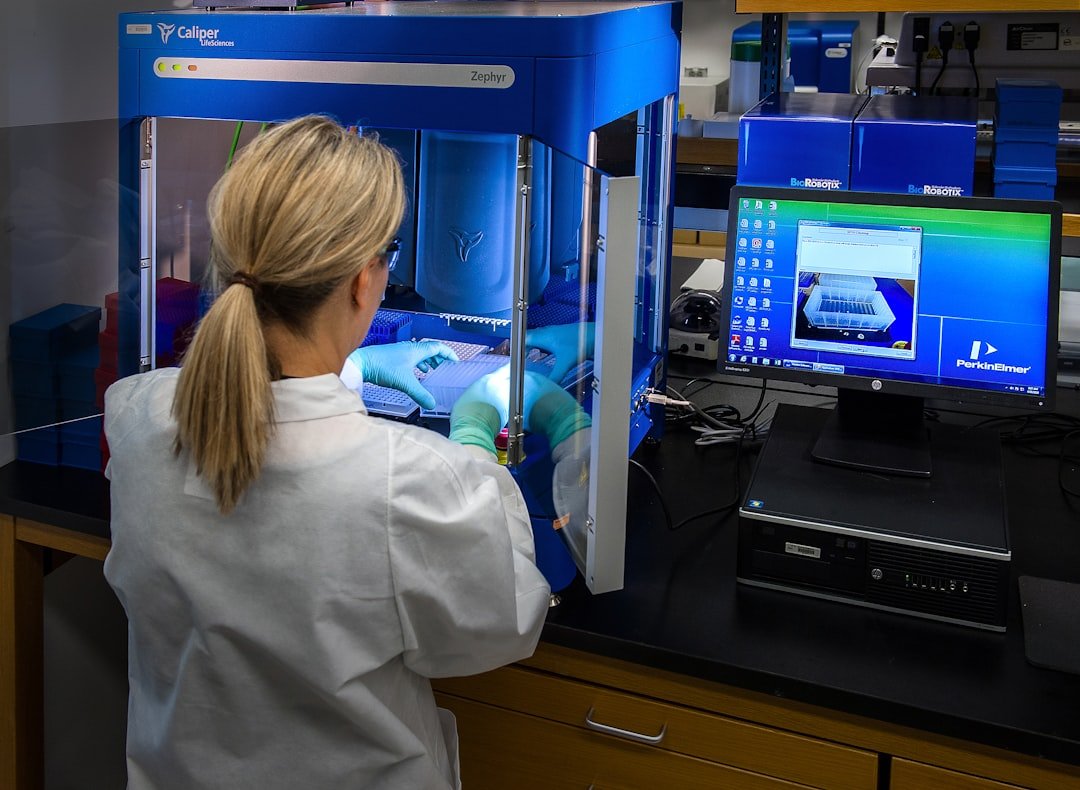
In recent years, 3D printing has emerged as a transformative force in the field of personalised medicine. This technology allows for the creation of customised medical devices and solutions tailored to the unique needs of individual patients. The ability to produce complex structures with precision has opened new avenues for treatment, particularly in areas such as prosthetics, surgical planning, and even drug delivery systems. As healthcare continues to evolve, the integration of 3D printing into medical practices is becoming increasingly prevalent, offering a glimpse into a future where treatments are as unique as the patients themselves.
The rise of 3D printing in personalised medicine is largely driven by advancements in technology and material science. With the ability to print using a variety of materials, including biocompatible plastics and metals, medical professionals can create devices that not only fit better but also function more effectively. This shift towards personalised solutions is not just about improving aesthetics; it’s about enhancing patient outcomes and overall satisfaction with medical interventions. As we delve deeper into this topic, it becomes clear that 3D printing is not merely a trend but a significant leap forward in how we approach healthcare.
Custom Prosthetics: Tailoring Solutions for Individual Patients
One of the most notable applications of 3D printing in personalised medicine is in the realm of custom prosthetics. Traditional prosthetic devices often come with limitations in terms of fit and comfort, which can lead to complications and dissatisfaction for users. However, with 3D printing, prosthetics can be designed and manufactured to match the exact specifications of an individual’s anatomy. This level of customisation not only improves comfort but also enhances functionality, allowing users to engage more fully in their daily activities.
The process begins with detailed imaging techniques, such as MRI or CT scans, which capture the unique contours of a patient’s limb. This data is then used to create a digital model that serves as the blueprint for the prosthetic. Once the model is finalised, it can be printed using advanced materials that mimic the properties of natural bone and tissue. The result is a prosthetic that feels more like a part of the body rather than an external device. Patients often report increased confidence and improved mobility, highlighting the profound impact that tailored solutions can have on their quality of life.
Anatomical Models for Surgical Planning: Enhancing Precision and Accuracy
Another significant benefit of 3D printing in personalised medicine lies in its application for creating anatomical models used in surgical planning. Surgeons can now print highly detailed replicas of a patient’s anatomy, allowing them to visualise complex structures before entering the operating room. This practice not only enhances precision but also reduces the risk of complications during surgery. By having a tangible model to work with, surgeons can plan their approach more effectively, leading to better outcomes for patients.
These anatomical models are particularly beneficial in intricate procedures, such as those involving the heart or brain. Surgeons can rehearse their techniques on these models, gaining insights into potential challenges they may face during the actual operation. Furthermore, these models can be shared with other medical professionals involved in the patient’s care, fostering collaboration and ensuring everyone is on the same page. The result is a more coordinated approach to surgery that prioritises patient safety and efficacy.
The Impact of 3D Printing on Patient Outcomes and Recovery
The integration of 3D printing into personalised medicine has shown promising results in terms of patient outcomes and recovery times. Customised prosthetics and surgical models contribute to more successful surgeries and improved rehabilitation experiences. Patients who receive tailored prosthetics often experience less discomfort and a quicker adjustment period compared to those with standard devices. This can lead to faster recovery times and a return to normal activities sooner than expected.
Moreover, the psychological impact of receiving a custom solution cannot be understated. Patients often feel more empowered when they have devices that are specifically designed for them, which can enhance their overall mental well-being. The combination of physical comfort and psychological satisfaction creates a holistic approach to recovery that benefits both body and mind. As healthcare continues to embrace 3D printing technology, we can expect to see even more significant improvements in patient outcomes across various medical fields.
Advancements in Material Science: Creating Durable and Biocompatible Prosthetics
| Application | Impact |
|---|---|
| Custom Prosthetics | Allows for tailored solutions for amputees, improving comfort and functionality |
| Anatomical Models | Enables surgeons to plan and practice complex surgeries with accurate 3D models |
| Patient-Specific Implants | Creates implants that perfectly fit a patient’s unique anatomy, reducing complications |
| Drug Delivery Devices | Facilitates the development of customised drug delivery systems for individual patients |
The success of 3D printing in personalised medicine hinges on advancements in material science. The development of durable and biocompatible materials has been crucial for creating prosthetics that not only fit well but also withstand the rigours of daily use. Researchers are continually exploring new materials that offer enhanced strength, flexibility, and compatibility with human tissue. This ongoing innovation ensures that prosthetics can be both functional and comfortable for patients.
Materials such as thermoplastics and advanced composites are now being used to create prosthetics that mimic the natural movement of limbs while providing the necessary support. Additionally, bioactive materials that promote tissue integration are being developed, allowing prosthetics to bond more effectively with surrounding tissues. These advancements not only improve the longevity of prosthetic devices but also enhance their performance, making them more akin to natural limbs.
The Role of 3D Printing in Streamlining the Prosthetics Production Process
3D printing has revolutionised the production process for prosthetics by streamlining various stages from design to delivery. Traditional manufacturing methods often involve lengthy lead times and significant costs due to the need for custom moulds and extensive manual labour. In contrast, 3D printing allows for rapid prototyping and production, significantly reducing the time it takes to deliver a custom prosthetic to a patient.
This efficiency is particularly beneficial in urgent situations where patients require immediate solutions due to injury or amputation. With 3D printing, healthcare providers can quickly produce a functional device tailored to an individual’s needs without compromising on quality or fit. This agility not only enhances patient satisfaction but also optimises resource allocation within healthcare systems, making it a win-win situation for both providers and patients.
The Future of Personalized Medicine: 3D Printing and Prosthetic Innovation
Looking ahead, the future of personalised medicine appears bright with the continued integration of 3D printing technology. As research progresses and new materials are developed, we can expect even greater innovations in prosthetic design and functionality. The potential for creating smart prosthetics equipped with sensors and connectivity features could further enhance user experience by providing real-time feedback on performance and health metrics.
Moreover, as 3D printing becomes more accessible, we may see its application expand beyond traditional healthcare settings into home-based solutions. Imagine patients being able to print their own prosthetic components or accessories at home using user-friendly software and printers designed specifically for medical applications. This could democratise access to personalised solutions, making them available to a broader range of individuals regardless of geographical location or economic status.
Collaborations between Medical Professionals and 3D Printing Experts
The successful implementation of 3D printing in personalised medicine relies heavily on collaboration between medical professionals and 3D printing experts. These partnerships are essential for bridging the gap between clinical needs and technological capabilities. By working together, healthcare providers can articulate their requirements while engineers and designers can offer insights into what is feasible within the realm of 3D printing.
Such collaborations often lead to innovative solutions that address specific challenges faced by patients. For instance, a team comprising surgeons, biomedical engineers, and material scientists might work together to develop a new type of prosthetic that incorporates feedback from actual users. This iterative process ensures that the final product meets both functional requirements and user expectations, ultimately leading to better patient care.
Overcoming Challenges in 3D Printing for Personalized Medicine
Despite its many advantages, there are challenges associated with integrating 3D printing into personalised medicine that must be addressed. One significant hurdle is regulatory approval; ensuring that printed devices meet safety standards can be a lengthy process that delays access for patients who need them urgently. Additionally, there is a need for standardisation in materials and processes to ensure consistency across different manufacturers.
Another challenge lies in educating healthcare professionals about the capabilities and limitations of 3D printing technology. As this field evolves rapidly, ongoing training is essential to keep practitioners informed about best practices and emerging trends. By addressing these challenges head-on, stakeholders can pave the way for smoother integration of 3D printing into mainstream medical practice.
Ethical Considerations in the Use of 3D Printing for Custom Prosthetics
As with any emerging technology, ethical considerations play a crucial role in the use of 3D printing for custom prosthetics. Issues such as intellectual property rights, data privacy related to patient imaging, and equitable access to technology must be carefully navigated. Ensuring that all patients have access to these innovative solutions regardless of socioeconomic status is paramount; otherwise, we risk widening existing disparities in healthcare.
Furthermore, there are questions surrounding the long-term implications of using 3D-printed devices on human health. Continuous monitoring and research are necessary to understand how these materials interact with biological systems over time. Engaging ethicists alongside medical professionals can help guide discussions around these issues, ensuring that advancements in technology align with ethical standards.
The Cost-Effectiveness of 3D Printing in Personalized Medicine and Prosthetic Production
Finally, one of the most compelling arguments for adopting 3D printing in personalised medicine is its cost-effectiveness compared to traditional manufacturing methods. While initial investments in technology may be high, the long-term savings associated with reduced production costs and improved patient outcomes can be substantial. Customised prosthetics produced through 3D printing often require fewer resources and less time than conventional methods.
Moreover, as technology advances and becomes more widely adopted, we can expect prices to decrease further, making these solutions accessible to an even larger population. This shift could lead to significant improvements in healthcare efficiency while ensuring that patients receive high-quality care tailored specifically to their needs.
In conclusion, the rise of 3D printing in personalised medicine marks a significant turning point in how we approach healthcare solutions. From custom prosthetics to enhanced surgical planning tools, this technology offers numerous benefits that improve patient outcomes while streamlining production processes. As we continue to explore its potential through collaboration between medical professionals and engineers, we can look forward to a future where personalised medicine becomes increasingly effective and accessible for all.