





Artificial Intelligence (AI) is increasingly becoming a game-changer in various sectors, and Human Resources (HR) is no exception. The integration of AI into HR processes is transforming how organisations approach hiring, employee management, and overall workforce strategy. By automating routine tasks and providing data-driven insights, AI is not only enhancing efficiency but also enabling HR professionals to focus on more strategic initiatives.
In the context of hiring, AI tools are designed to streamline processes, reduce time-to-hire, and improve the quality of candidates selected. This article will explore the multifaceted role of AI in HR, particularly in the hiring process, and discuss its benefits, challenges, and future potential.
The benefits of using AI in the hiring process
One of the most significant advantages of incorporating AI into the hiring process is the speed it brings to recruitment. Traditional hiring methods can be time-consuming, often involving lengthy application reviews and multiple rounds of interviews. AI can sift through thousands of applications in a fraction of the time, identifying suitable candidates based on predefined criteria. This not only accelerates the hiring timeline but also allows HR teams to focus on engaging with candidates rather than getting bogged down in administrative tasks.
Moreover, AI enhances the quality of hires by leveraging data analytics to identify patterns and trends in successful employee profiles. By analysing past hiring data, AI can help organisations pinpoint the characteristics that lead to high performance and job satisfaction. This data-driven approach ensures that hiring decisions are based on objective criteria rather than subjective opinions, ultimately leading to better outcomes for both the organisation and its employees.
How AI streamlines the candidate sourcing process
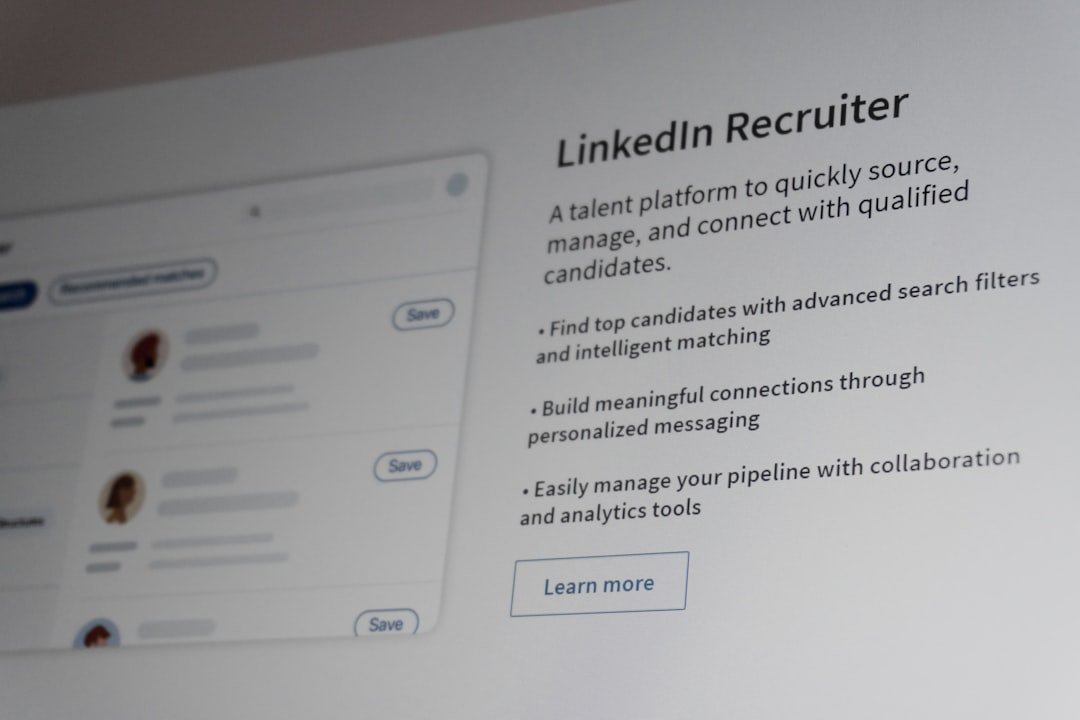
Sourcing candidates can often feel like searching for a needle in a haystack, especially in competitive job markets. AI simplifies this process by automating candidate sourcing through various channels, including job boards, social media platforms, and professional networks. By using algorithms that match job descriptions with candidate profiles, AI can quickly identify potential applicants who may not have applied directly but possess the right skills and experience.
Additionally, AI tools can help HR teams maintain a talent pool by continuously monitoring and engaging with passive candidates. These are individuals who may not be actively looking for a job but could be interested in future opportunities. By nurturing these relationships through targeted communication and personalised outreach, organisations can build a robust pipeline of talent ready to step in when vacancies arise.
The role of AI in screening and shortlisting candidates
Once candidates have been sourced, the next step is screening and shortlisting them for interviews. This is where AI truly shines. Traditional screening methods often rely on manual reviews of resumes and cover letters, which can be inconsistent and prone to human error. AI-powered screening tools can analyse applications against specific criteria such as skills, experience, and qualifications, ensuring a more objective evaluation process.
Furthermore, these tools can rank candidates based on their fit for the role, allowing HR professionals to focus their attention on the most promising applicants. This not only saves time but also increases the likelihood of selecting candidates who align closely with the organisation’s needs. By reducing the risk of overlooking qualified individuals due to unconscious bias or oversight, AI contributes to a more equitable hiring process.
Using AI for conducting automated interviews
Automated interviews are another innovative application of AI in the hiring process. These interviews can take various forms, from chatbots conducting initial screenings to video interviews analysed by AI algorithms. The use of chatbots allows candidates to answer pre-set questions at their convenience, providing a more flexible interview experience while freeing up HR professionals’ time.
AI can also assess candidates’ responses during video interviews by analysing verbal and non-verbal cues such as tone of voice, facial expressions, and body language. This technology offers insights into a candidate’s personality traits and cultural fit within the organisation. While some may raise concerns about the reliability of such assessments, when used alongside traditional interview methods, they can provide valuable supplementary information.
How AI helps in assessing candidate skills and qualifications
Assessing a candidate’s skills and qualifications is crucial for making informed hiring decisions. AI tools can facilitate this process through various means, such as skills assessments and simulations tailored to specific roles. For instance, coding tests for software developers or situational judgement tests for customer service roles can be administered automatically, providing immediate feedback on candidates’ capabilities.
Moreover, AI can analyse past performance data from existing employees to create benchmarks for success in specific roles. By comparing candidates’ results against these benchmarks, organisations can gain deeper insights into their potential performance within the company. This data-driven approach not only enhances the accuracy of assessments but also helps ensure that candidates possess the necessary skills to thrive in their roles.
The impact of AI on reducing bias in the hiring process
Bias in hiring is a well-documented issue that can lead to a lack of diversity within organisations. One of the promising aspects of AI is its potential to mitigate bias by standardising evaluation criteria and focusing solely on relevant qualifications. By removing personal identifiers such as names or addresses from applications, AI can help eliminate unconscious biases related to gender, ethnicity, or socioeconomic background.
However, it’s essential to acknowledge that AI systems are not immune to bias themselves; they are only as good as the data they are trained on. If historical hiring data reflects biased practices, AI may inadvertently perpetuate these biases. Therefore, it’s crucial for organisations to regularly audit their AI systems and ensure they are trained on diverse datasets that promote fairness and inclusivity.
The challenges of implementing AI in HR
Despite its many advantages, implementing AI in HR is not without challenges. One significant hurdle is resistance from HR professionals who may feel threatened by automation or lack confidence in using new technologies. Change management is vital here; organisations must invest in training and support to help HR teams adapt to new tools and understand their benefits.
Another challenge lies in data privacy and compliance with regulations such as GDPR. Collecting and processing candidate data through AI systems raises concerns about how this information is stored and used. Organisations must ensure they have robust data protection measures in place and communicate transparently with candidates about how their data will be handled.
Training and upskilling HR teams to use AI effectively
To harness the full potential of AI in HR, training and upskilling are essential. HR professionals need to be equipped with the knowledge and skills required to navigate new technologies confidently. This includes understanding how AI works, interpreting data analytics, and knowing how to integrate these tools into existing processes.
Organisations should consider offering workshops or online courses focused on AI applications in HR. Encouraging collaboration between HR teams and IT departments can also foster a culture of learning and innovation. By investing in their workforce’s development, organisations can ensure that their HR teams are well-prepared to leverage AI effectively.
The future of AI in HR and its potential developments
Looking ahead, the future of AI in HR appears promising with ongoing advancements in technology. As machine learning algorithms become more sophisticated, we can expect even greater accuracy in candidate assessments and predictions about employee performance. Additionally, natural language processing (NLP) will likely enhance communication between candidates and HR systems, making interactions more intuitive.
Moreover, as organisations continue to prioritise diversity and inclusion, we may see the development of more advanced tools specifically designed to promote equitable hiring practices. These tools could provide real-time feedback on diversity metrics throughout the recruitment process, helping organisations make informed decisions that align with their values.
The potential of AI to revolutionise the hiring process
In conclusion, AI has the potential to revolutionise the hiring process by streamlining operations, enhancing candidate assessments, and reducing bias. While there are challenges associated with its implementation, the benefits far outweigh these hurdles when approached thoughtfully. As organisations continue to embrace technology in their HR practices, investing in training and ensuring ethical use will be crucial for maximising the advantages that AI offers.
The future holds exciting possibilities for AI in HR; as technology evolves, so too will our understanding of how best to integrate it into our hiring processes. By remaining open to innovation while prioritising fairness and transparency, organisations can create a more efficient and inclusive hiring landscape that benefits everyone involved.
FAQs
1. How are HR teams using AI to improve the hiring process?
HR teams are using AI to streamline the hiring process by automating repetitive tasks such as resume screening, scheduling interviews, and conducting initial candidate assessments. AI also helps in identifying top talent by analysing large volumes of data to match candidates with job requirements.
2. What are the benefits of using AI in the hiring process?
Using AI in the hiring process can lead to faster and more efficient recruitment, as it can handle a large volume of applications in a shorter amount of time. AI can also help in reducing bias in the hiring process by focusing on candidate qualifications and skills rather than personal characteristics.
3. Are there any potential drawbacks to using AI in hiring?
One potential drawback of using AI in hiring is the risk of perpetuating bias if the algorithms are not properly designed and monitored. Additionally, there may be concerns about the lack of human interaction in the initial stages of the hiring process, which could impact candidate experience.
4. How does AI assist in candidate assessment and selection?
AI assists in candidate assessment and selection by analysing candidate data and performance metrics to identify the best fit for a particular role. It can also help in predicting a candidate’s potential for success in a role based on their skills, experience, and behavioural traits.
5. What are some popular AI tools used by HR teams for hiring?
Some popular AI tools used by HR teams for hiring include applicant tracking systems (ATS) with AI capabilities, AI-powered chatbots for candidate engagement, and AI-based assessment tools for evaluating candidate skills and fit for a role.