









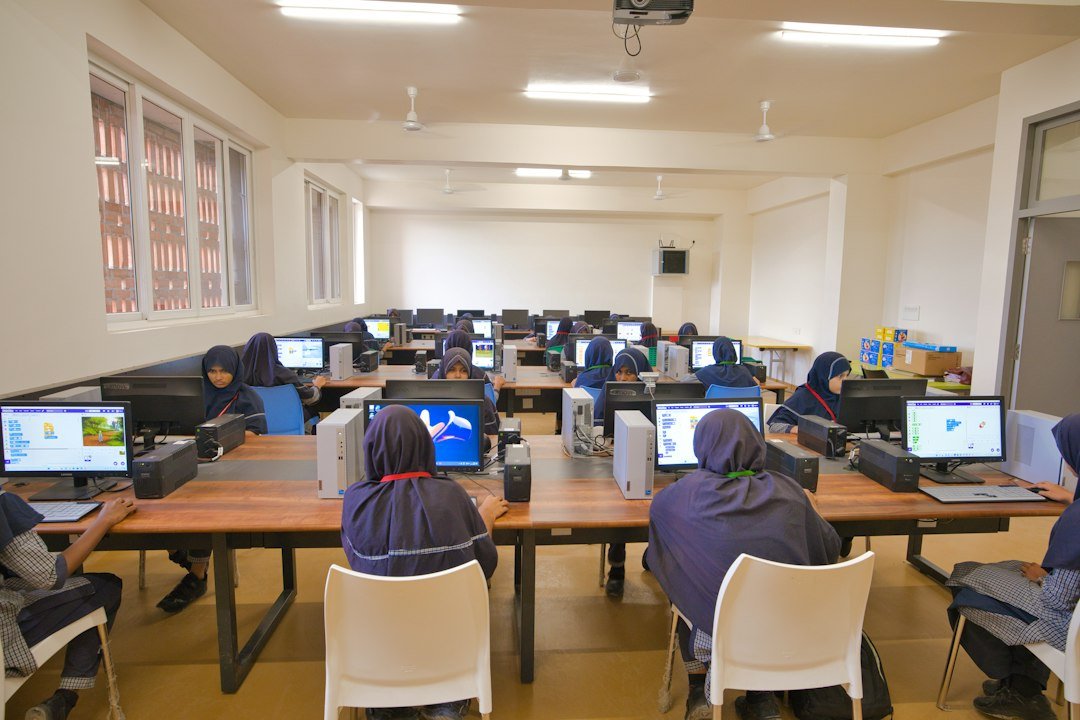
It’s a big question on many educators’ minds: how do we get ready for a world where AI isn’t just a tool, but an autonomous assistant in our classrooms and beyond? The short answer is, we need to shift our focus from just teaching about AI to teaching with AI, and fundamentally rethinking the skills educators and students will need to thrive alongside it. This isn’t about replacing teachers; it’s about empowering them with a new kind of colleague and preparing students for a future where collaboration with intelligent systems is the norm.
Understanding the Autonomous AI Landscape
Let’s start by getting on the same page about what ‘autonomous AI’ actually means in an educational context. We’re not talking about simple chatbots or predictive text. We’re referring to systems that can, to a significant degree, operate independently, make decisions, learn from data, and adapt their behaviour without constant human intervention. Think of it as a very sophisticated co-pilot, not just a map.
Differentiating Current AI Tools from Autonomous Systems
Right now, many educators are dabbling with generative AI like ChatGPT or image creators. These are powerful tools, no doubt. You give them a prompt, and they generate something. They’re reactive. Autonomous AI, however, takes this a step further. Imagine an AI that could analyse a student’s learning patterns over weeks, identify struggling areas, suggest personalised resources, and even design small, adaptive learning modules without needing a teacher to manually input every step. Or an AI that manages administrative tasks, schedules, and resource allocation for an entire department, continually optimising based on real-time data. The key difference is the level of proactive decision-making and continuous operation without direct human command for every single action.
The Potential Impact on Pedagogy and Practice
The arrival of truly autonomous AI could reshape nearly every aspect of education. For pedagogy, it opens up avenues for hyper-personalised learning on a scale previously unimaginable. An AI could tailor content, pace, and assessment methods to individual student needs, freeing teachers to focus on higher-order thinking, emotional intelligence, and complex problem-solving. It could revolutionise feedback, providing immediate, nuanced insights to students. In terms of practice, administrative burdens could drastically reduce, allowing educators more time for direct student engagement and professional development. Lesson planning might shift from creating content from scratch to curating, refining, and overseeing AI-generated materials. Assessment too could become more dynamic, moving away from static tests to continuous, adaptive evaluation.
Essential Skill Sets for Educators
Preparing educators for this new era isn’t just about training them on new software; it’s about cultivating a completely new set of skills and a shift in mindset. We need to move beyond simply being consumers of technology to becoming adept collaborators with intelligent systems.
Cultivating Critical AI Literacy and Ethical Understanding
This is foundational. Educators need to understand how autonomous AI works, not just what it does. This includes grasping concepts like machine learning, neural networks (at a high level), data biases, and algorithmic decision-making. More crucially, they need to develop a strong ethical framework. This involves understanding the implications of AI on privacy, fairness, equity, and accountability. When an AI makes a decision about a student’s learning path, who is responsible if it’s flawed? How do we ensure these systems don’t perpetuate or amplify existing societal biases? Educators must be equipped to critically evaluate AI outputs, question its methodologies, and lead discussions with students about these complex ethical dilemmas. This isn’t a technical deep dive for every teacher, but a solid grasp of the principles is essential.
Developing Human-AI Collaboration and Oversight Capabilities
The relationship between educators and autonomous AI will be one of collaboration, not replacement. Teachers will become orchestrators and overseers. This means developing skills in delegating tasks to AI, understanding its strengths and limitations, and effectively integrating its outputs into the learning process. It’s about knowing when to let the AI take the lead, when to step in and refine, and when to completely override its suggestions. Imagine a teacher setting learning objectives, and an AI then designing a series of activities and assessments. The teacher’s role becomes one of reviewing, adapting, and adding the human touch that only they can provide – empathy, real-time motivational cues, and addressing unforeseen student needs. They’ll need to interpret AI-generated data about student performance and translate it into meaningful human-centric interventions.
Mastering Data Interpretation and AI Feedback Mechanisms
Autonomous AI systems will generate vast amounts of data. Educators will need to become adept at interpreting this data. This isn’t about becoming data scientists, but about understanding what the numbers and patterns mean for individual students and the class as a whole. For instance, an AI might flag that a student is consistently struggling with a particular concept, even if their overall grades are good. The teacher needs to understand why the AI made that assessment and what targeted support might be needed. They’ll also need to understand and critique AI-generated feedback for students, ensuring it’s constructive, actionable, and aligns with pedagogical goals, and be able to explain the AI’s reasoning to students where necessary. This requires a certain level of statistical literacy and an understanding of how AI “learns” from data.
Practical Training and Professional Development
Simply expecting educators to pick these skills up through osmosis isn’t realistic. A structured and ongoing approach to professional development is crucial. This needs to be practical, relevant, and integrated into their ongoing work.
Designing Tiered Training Programmes for Varying Proficiency Levels
Not every educator will be at the same starting point. Training should acknowledge this. A tiered approach would involve:
- Foundational Level: For those new to AI, covering basic concepts, common applications, and ethical considerations. This would focus on demystifying AI and building confidence.
- Intermediate Level: For those comfortable with basic tools, focusing on deeper understanding of autonomous AI principles, exploring specific use cases in their subject areas, and introductory human-AI collaboration techniques.
- Advanced Level: For early adopters and ‘AI champions,’ focusing on advanced collaboration, data interpretation, critically evaluating new AI systems, and perhaps even contributing to the design or integration of AI tools within their institutions.
These programmes should blend theoretical knowledge with hands-on practice, using real-world educational scenarios.
Implementing Pilot Projects and Collaborative Learning Communities
Theory is one thing, but practical application is where the real learning happens. Institutions should establish pilot projects where educators can experiment with autonomous AI tools in a controlled environment. These pilots should be supported by dedicated mentors and clear guidelines. Crucially, these pilots should feed into collaborative learning communities – professional learning networks (PLNs) or communities of practice – where educators can share experiences, troubleshoot challenges, and collectively develop best practices. This peer-to-peer learning is invaluable, allowing educators to learn from each other’s successes and failures, fostering a sense of shared journey rather than isolated struggle. These communities could be subject-specific or focus on broader pedagogical innovations using AI.
Integrating AI Competencies into Teacher Education Curricula
Looking ahead, preparing future educators means embedding AI competencies directly into initial teacher education programmes. This shouldn’t be an add-on module but woven throughout the curriculum. Trainee teachers should learn how to design lessons that leverage autonomous AI, how to assess student learning alongside AI-generated feedback, and how to foster ethical discussions about AI in their future classrooms. This proactive approach ensures that new teachers enter the profession already equipped with the foundational understanding and skills needed to navigate this evolving landscape, rather than playing catch-up once they’re in post. This also includes understanding how AI can support students with diverse learning needs, promoting inclusivity from the outset.
Reimagining the Educator’s Role
The rise of autonomous AI isn’t about diminishing the educator’s role; it’s about elevating it, shifting the focus from routine tasks to uniquely human contributions. The teacher of the future will be less of an information dispenser and more of a mentor, a guide, and a facilitator of complex learning experiences.
Shifting Focus to Higher-Order Thinking and Socio-Emotional Development
With AI handling much of the factual recall, content delivery, and even initial feedback, educators can dedicate more energy to fostering critical thinking, creativity, problem-solving, and meta-cognition. They can design projects that require students to apply knowledge in novel ways, analyse complex issues, and develop innovative solutions. Crucially, the human element of socio-emotional development becomes even more paramount. AI can’t build authentic relationships, provide emotional support, or teach empathy and collaboration in the same way a human can. Educators will be central to cultivating these vital human skills, preparing students not just for jobs, but for meaningful lives in an AI-infused world.
Becoming Facilitators, Mentors, and Ethical Guides
The traditional sage on the stage model becomes largely obsolete. Educators will increasingly act as facilitators, guiding students through learning experiences rather than simply lecturing. They will mentor students, helping them navigate complex information environments and develop their own learning strategies. Perhaps most importantly, they will serve as ethical guides. As students interact with autonomous AI, they will encounter ethical dilemmas, biases, and questions of authenticity. Educators will be vital in leading these discussions, helping students develop their own moral compass and critical understanding of AI’s societal impact. This involves teaching students how to think about AI, not just what to think.
Emphasising Adaptability and Lifelong Learning
The pace of AI development is rapid, and what’s cutting-edge today will be commonplace tomorrow. Therefore, one of the most crucial skills educators themselves must embody and foster in their students is adaptability and a commitment to lifelong learning. The ability to learn new tools, embrace new methodologies, and continuously update one’s understanding of technology will be paramount. Educators need to model this curiosity and resilience, demonstrating that learning is an ongoing journey, especially in a world shaped by rapidly evolving technology. This means being open to experimentation, comfortable with iterative improvements, and willing to shed old ways of working when new, more effective methods emerge.
Infrastructure and Policy Considerations
Beyond individual skill sets, preparing for autonomous AI requires a robust supporting infrastructure and clear policy frameworks. Without these, even the most prepared educators will struggle to integrate these systems effectively and equitably.
Ensuring Equitable Access to AI Tools and Training
The digital divide is already a challenge, and the ‘AI divide’ could be even more pronounced. It’s imperative that all educational institutions, regardless of their socio-economic standing, have equitable access to autonomous AI tools and the necessary training for their staff. This means funding for hardware, software licenses, reliable high-speed internet, and comprehensive professional development programmes. Relying solely on market forces will inevitably exacerbate existing inequalities, leaving some students and educators behind. Policy should explore national or regional initiatives to procure and distribute AI resources, ensuring that the benefits of autonomous AI are shared broadly across the entire education system.
Developing Clear Data Privacy and Security Protocols
Autonomous AI systems, particularly those that personalise learning, will collect and process vast amounts of student data. Robust data privacy and security protocols are non-negotiable. This requires clear guidelines on what data can be collected, how it’s stored, who has access to it, and for what purposes it can be used. Compliance with regulations like GDPR in the UK is crucial, but educational institutions may need even more stringent, sector-specific policies. Educators need to be trained on these protocols, understanding their responsibilities in safeguarding student information. This also involves transparent communication with students and parents about how AI systems use their data, building trust and ensuring informed consent. The ethical implications of data ownership and usage need to be at the forefront of policy development.
Establishing Regulatory Frameworks for AI in Education
As autonomous AI becomes more sophisticated, there will be a growing need for specific regulatory frameworks governing its use in education. This goes beyond data privacy to encompass questions of accountability, algorithmic bias, and the impact on learning outcomes. For instance, if an AI is responsible for recommending interventions for a struggling student, what are the safeguards against misdiagnosis or biased recommendations? Who is ultimately accountable for the educational progress of a student supported by autonomous AI? Policymakers will need to consider issues like AI transparency – the ability to understand how an AI makes its decisions – and robust auditing mechanisms to ensure fairness and effectiveness. These frameworks should be developed through consultation with educators, AI experts, ethicists, and legal professionals to ensure they are both practical and principled, striking a balance between innovation and safeguarding educational quality and equity. Without these foundational policies, the integration of autonomous AI risks being chaotic, inequitable, and potentially detrimental to the very students it aims to serve.