









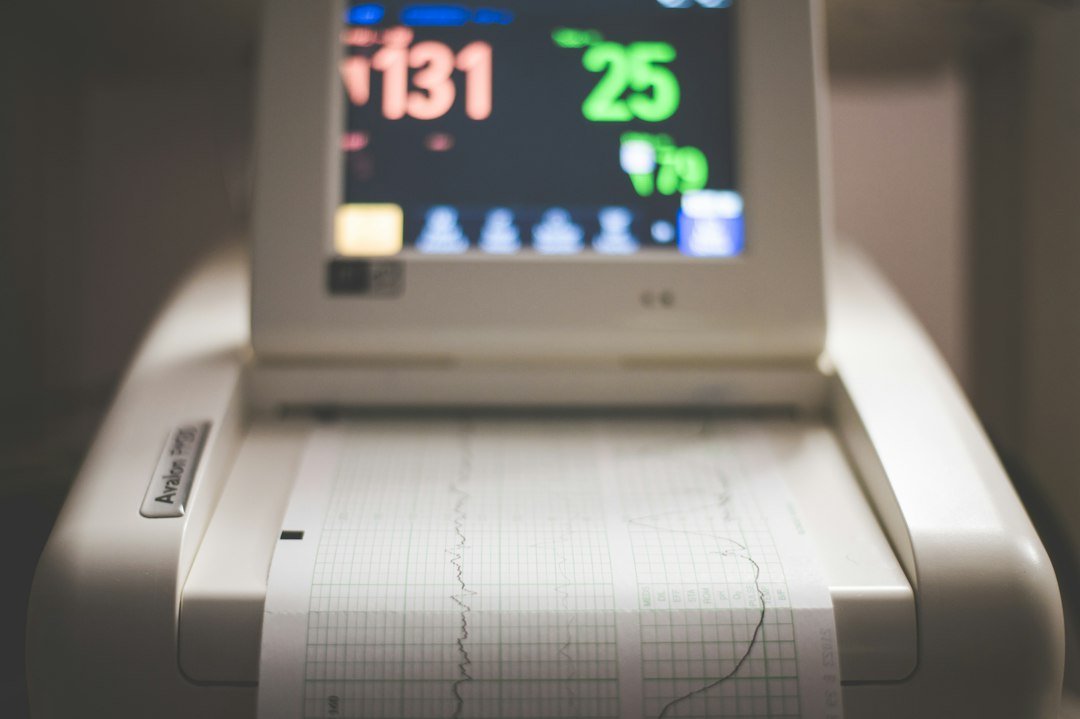
Ah, healthcare automation. You might hear that phrase and imagine robots zipping around hospitals, but it’s actually been a much more gradual evolution, transforming how we receive and give care right under our noses. From the days of handwritten notes and bulky paper records, we’ve steadily moved towards systems that not only store information digitally but also anticipate needs, flag potential issues, and even assist with complex diagnoses. It’s a journey that’s fundamentally changed the healthcare landscape, making it more efficient, safer, and ultimately, more patient-centric.
The Dawn of Digital Data: Early Automation Efforts
Before we delve into the sophisticated algorithms of today, it’s worth looking back at where it all began. For centuries, medical records were a deeply personal affair, often confined to a doctor’s memory, a patient’s description, or, at best, a handwritten ledger. This system, while intimate, was inherently inefficient and prone to human error. Sharing information between specialists was a laborious task, and analysing trends across populations was practically impossible.
Pen and Paper Predicaments
Imagine a GP trying to recall every detail of every patient’s history, or a hospital struggling to track medication inventories across multiple wards. This was the reality for a very long time. Patient charts, overflowing with handwritten notes, test results, and prescriptions, were physically moved from one department to another. If a chart went missing, so did crucial information. This not only created bottlenecks but also posed significant risks to patient safety, especially when allergies or critical conditions weren’t immediately apparent.
The Arrival of Punch Cards and Mainframes
The first whispers of automation in healthcare emerged not from medical innovation directly, but from the broader advancements in information technology. In the mid-20th century, as businesses started to adopt punch cards and early mainframes for data processing, the potential for applying similar principles to healthcare became apparent. These early systems weren’t designed for complex clinical decision-making, but rather for administrative tasks like billing, patient registration, and inventory management. They were clunky, expensive, and required specialist operators, but they represented a crucial first step: the digitisation of healthcare information. It allowed hospitals to process large volumes of administrative data with greater speed and accuracy than manual methods, laying the groundwork for more ambitious automation projects down the line.
Early Medical Imaging Innovations
While not automation in the sense of data processing, the development of early medical imaging techniques also played a pivotal role in changing how healthcare was delivered. X-rays, invented in the late 19th century, dramatically altered diagnosis by allowing doctors to see inside the human body without surgery. While the images themselves were still physical film, the process of acquiring and interpreting them represented a significant technological leap. Later, the advent of ultrasound and CT scans further refined this ability, moving diagnostics away from purely subjective clinical assessment towards objective visual evidence. These advancements, while distinct from information automation, set a precedent for technology augmenting human medical expertise.
The Electronic Health Record Revolution
The real game-changer in healthcare automation arguably arrived with the widespread adoption of Electronic Health Records (EHRs), sometimes referred to as Electronic Medical Records (EMRs). These digital systems fundamentally transformed how patient information is stored, accessed, and managed.
Moving Beyond Paper Files
The transition from physical paper charts to digital EHRs was a monumental undertaking, and it’s still ongoing in some areas. The primary driver was the recognition that paper records were simply unsustainable. They were prone to loss, difficult to share, often illegible, and offered no real-time insights. EHRs, on the other hand, promised a single, comprehensive, and accessible repository of a patient’s medical history. This included everything from demographics and medication lists to allergies, immunisations, laboratory results, and imaging reports.
The Benefits of Digitisation
The immediate advantages of EHRs were clear. They significantly improved the legibility and completeness of patient records, reducing errors caused by misinterpretation of handwriting. Crucially, they enabled instant access to a patient’s full medical history by authorised personnel, regardless of their physical location within a healthcare system. This was particularly beneficial in emergency situations or when a patient was being seen by multiple specialists. Moreover, EHRs made it possible to track medication prescribing and dispensing more effectively, reducing the risk of adverse drug events.
Interoperability Challenges
However, the journey to universal EHR adoption hasn’t been without its hurdles. One of the biggest challenges has been interoperability – the ability of different EHR systems from various providers to communicate and exchange information seamlessly. Imagine a patient seeing a GP, then a specialist at a different hospital, and then needing A&E care. Ideally, all those systems should be able to share relevant patient data without manual intervention. For a long time, and still in many places, this has been a stumbling block, leading to fragmented information and repeat tests. Significant efforts are continually being made to establish common data standards and exchange protocols to overcome these issues.
From Data Storage to Clinical Workflow
Beyond just storing information, EHRs evolved to become integral to clinical workflows. They started incorporating features like electronic prescribing (e-prescribing), which directly sends prescriptions to pharmacies, reducing errors and saving time. They also enabled clinical decision support (CDS) tools – rudimentary at first – which could flag potential drug interactions or remind clinicians about overdue preventative screenings. This was the beginning of automation actively assisting clinical practice, rather than just administrative tasks.
Smart Systems and Predictive Analytics
With the foundational work of EHRs largely established, the next wave of healthcare automation focused on leveraging that vast amount of digital data for more intelligent applications. This is where we start talking about predictive care and truly smart systems.
The Rise of Big Data in Healthcare
The sheer volume of digital health data generated by EHRs, medical devices, and even wearable technologies presented both a challenge and an enormous opportunity. This “big data” includes everything from individual patient histories and population health statistics to genetic information and real-world outcomes. The challenge was how to extract meaningful insights from this deluge of information. The opportunity lay in using these insights to improve patient care, manage resources more effectively, and even accelerate medical research.
Machine Learning and AI in Action
This is where machine learning (ML) and artificial intelligence (AI) step in. These technologies are designed to identify patterns, make predictions, and learn from data without being explicitly programmed for every scenario. In healthcare, ML algorithms are being trained on vast datasets to:
- Predict disease outbreaks: By analysing population health data, environmental factors, and even social media trends, AI can help predict where and when infectious diseases might spread.
- Identify patients at risk: Algorithms can flag patients who are at a higher risk of developing certain conditions (e.g., diabetes, heart disease, sepsis) or experiencing adverse events (e.g., hospital readmission) based on their medical history and other risk factors.
- Aid in diagnosis: AI-powered tools can analyse medical images (X-rays, CT scans, MRIs) with impressive accuracy, helping radiologists detect subtle anomalies that might be missed by the human eye. They can also assist in pathology by analysing tissue samples.
- Personalise treatment plans: By considering a patient’s genetic profile, lifestyle, and response to previous treatments, AI can help clinicians develop more tailored and effective treatment strategies.
Clinical Decision Support Systems (CDSS)
Building on the earlier, simpler CDS tools within EHRs, modern Clinical Decision Support Systems (CDSS) are far more sophisticated. They integrate AI and ML to provide clinicians with evidence-based recommendations at the point of care. This might involve suggesting optimal drug dosages, highlighting potential contraindications, reminding clinicians of best practice guidelines for specific conditions, or even prompting them to consider rare diagnoses based on symptom clusters. The aim isn’t to replace human clinicians but to augment their capabilities, reduce cognitive load, and ensure consistent, high-quality care.
Predictive Maintenance for Medical Devices
Automation isn’t just about patient data; it also extends to the physical infrastructure of healthcare. Modern medical devices, from MRI scanners to infusion pumps, are increasingly equipped with sensors that monitor their performance. AI-driven predictive maintenance systems can analyse this data to anticipate equipment failures before they occur. This allows hospitals to schedule maintenance proactively, minimising downtime, extending the lifespan of expensive equipment, and crucially, ensuring that critical machinery is always available when needed for patient care.
Robotics and Automation in Clinical Settings
While perhaps not the most widespread aspect yet, robotics and advanced automation are steadily making their way into various clinical settings, promising to revolutionise certain procedures and tasks.
Surgical Robotics
One of the most visible applications of robotics in healthcare is in surgery. Robotic-assisted surgical systems, like the widely known da Vinci Surgical System, allow surgeons to perform complex procedures with enhanced precision, dexterity, and control. The surgeon remains in full control, operating the robotic arms from a console, while the robot translates their movements into smaller, more precise actions. This can lead to smaller incisions, reduced blood loss, faster recovery times, and fewer complications for patients, particularly in areas like prostatectomy, gynaecological procedures, and cardiac surgery.
Automation in Laboratories
Medical laboratories are another area ripe for automation. Tasks like sample processing, analysis, and result verification can be highly repetitive and time-consuming. Automated laboratory systems can handle a massive volume of samples, perform tests with greater speed and accuracy, and reduce the risk of human error and contamination. This frees up skilled lab technicians to focus on more complex analysis and interpretation, significantly improving efficiency and turnaround times for test results, which is crucial for timely diagnosis and treatment.
Pharmacy Automation
Dispensing medication accurately and efficiently is a critical part of healthcare. Pharmacy automation systems use robotics and software to manage inventory, fill prescriptions, and package medications. These systems can count pills, label bottles, and even prepare sterile intravenous admixtures. This not only reduces dispensing errors but also improves efficiency, particularly in large hospital pharmacies, allowing pharmacists more time for patient consultations and clinical interventions.
Disinfection and Logistics Robotics
Beyond direct patient care, robots are also finding roles in supporting hospital operations. Autonomous mobile robots (AMRs) are being used for tasks like delivering medications, supplies, and linens around a hospital, navigating complex environments safely. In a post-pandemic world, disinfection robots, using UV-C light or hydrogen peroxide vapour, are also gaining traction, capable of sterilising rooms quickly and effectively, reducing the risk of healthcare-associated infections. These types of automation free up human staff from repetitive or potentially hazardous tasks, allowing them to focus on direct patient interaction and higher-value activities.
The Future of Automated Healthcare
Where are we headed next? The trajectory suggests an even more integrated, intelligent, and personalised healthcare experience, driven by continued advancements in automation.
Hyper-Personalised Medicine
The future of healthcare automation will increasingly focus on individualised care. Imagine a scenario where your entire health profile – genetic data, lifestyle factors from wearables, environmental exposures, and full medical history – is continuously monitored and analysed by AI. This allows for truly personalised prevention strategies, treatment plans tailored to your unique biology, and proactive interventions before symptoms even manifest. This goes beyond current personalised medicine to a level of detail and responsiveness currently unimaginable.
Virtual Care and Telemedicine Evolution
Telemedicine has seen a significant boom, accelerated by recent global events. Automation will further enhance virtual care. AI-powered chatbots could handle initial patient queries, triage symptoms, and guide patients to the most appropriate level of care. Virtual reality (VR) and augmented reality (AR) could be integrated into telemedicine consultations, allowing clinicians to remotely examine patients with greater detail or even assist with home-based procedures. Automated monitoring devices will allow for continuous remote patient monitoring, detecting subtle changes that might indicate a deteriorating condition.
Augmented Clinicians and Collaborative AI
The goal of advanced automation isn’t to replace healthcare professionals, but to augment their capabilities. Future AI systems will act as highly intelligent assistants, sifting through vast amounts of medical literature, patient data, and clinical guidelines in mere seconds, providing clinicians with comprehensive, evidence-based insights. This could involve recommending the latest treatment protocols, identifying obscure conditions, or even performing complex calculations for drug dosages. The synergy between human empathy and judgment, combined with AI’s analytical power, promises a truly transformative approach to healthcare delivery.
Ethical Considerations and Data Security
As healthcare automation becomes more sophisticated, so too do the ethical and security challenges. Ensuring the privacy and security of sensitive patient data is paramount. Developing robust regulatory frameworks for AI in medicine, addressing potential biases in algorithms, and maintaining transparency in how AI-driven decisions are made will be critical. The “black box” problem, where AI makes a decision without clear explainability, needs to be tackled to build trust among both clinicians and patients. Moreover, the question of accountability when an AI makes an error is a complex one that will require careful consideration.
Global Health Impact
Finally, advanced healthcare automation has the potential to dramatically impact global health inequities. By making expert medical knowledge and diagnostic tools more accessible, particularly in underserved regions, automation could democratise healthcare. Remote diagnostic centres, AI-powered mobile clinics, and automated training platforms could bridge the gap in healthcare access and expertise, leading to better health outcomes worldwide. The journey from rudimentary paper charts to predictive, personalised, and globally accessible care is a testament to human ingenuity and the unwavering commitment to improving health.