







Differentiated instruction, enhanced by artificial intelligence, is essentially about tailoring learning experiences to meet individual student needs more effectively and efficiently. AI tools help teachers understand each student’s strengths, weaknesses, and preferred learning styles, then provide resources and strategies that are specifically adapted for them. This isn’t about replacing teachers, but empowering them with data and automation to create truly personalised learning journeys for every pupil in their classroom.
The Foundations of Differentiated Instruction
Before we dive into the AI aspect, it’s worth quickly recapping what differentiated instruction (DI) means at its core. It’s a teaching framework where educators proactively modify curriculum, teaching methods, resources, and assessment to cater to the diverse needs of all learners in a classroom. The goal is to maximise each student’s growth and individual success by recognising that one size doesn’t fit all when it comes to learning.
Why Differentiate?
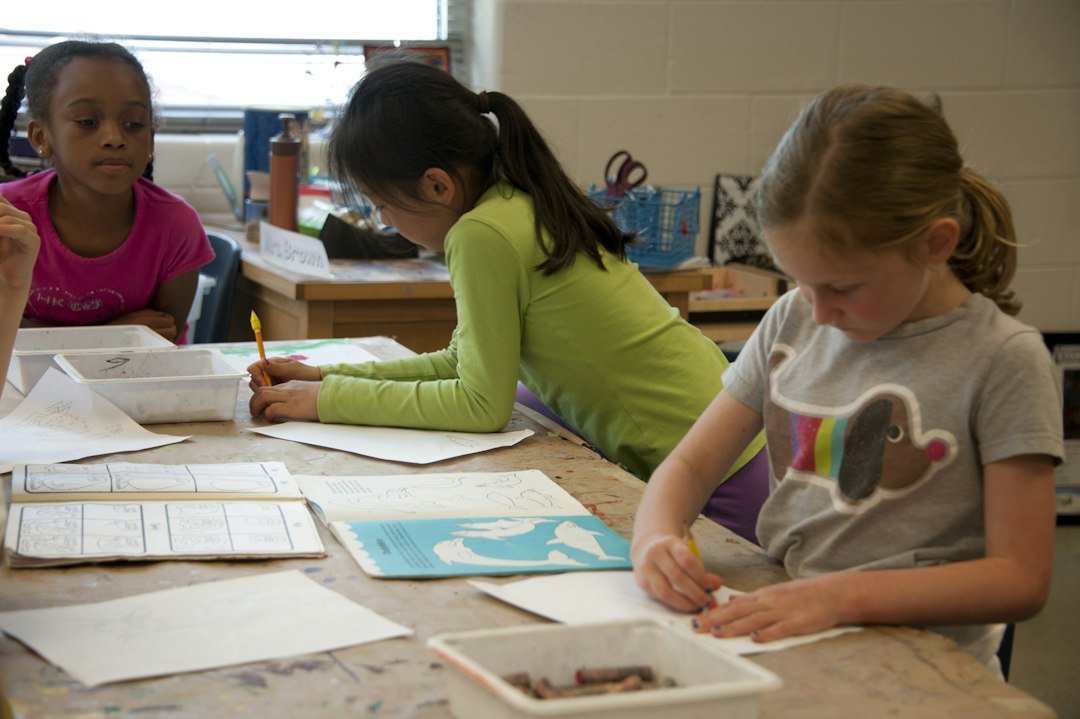
Think about a typical classroom. You’ve got pupils with varying prior knowledge, different learning paces, diverse interests, and a spectrum of learning styles. Some might be visual learners, others auditory, and some prefer a hands-on approach. Some might grasp concepts quickly, while others need more time and repeated exposure. Without differentiation, a teacher delivering a single lesson to the whole class inevitably leaves some students bored, others lost, and very few optimally challenged. Differentiation aims to bridge these gaps, ensuring that all students are appropriately supported and stretched.
Key Elements of Differentiated Instruction
Differentiation typically focuses on four main areas:
- Content: What students learn. This might involve providing different texts, varying levels of complexity in readings, offering alternative explanations, or using multimedia resources. For example, some students might read an advanced text, while others read a simplified version on the same topic, both working towards the same learning objective.
- Process: How students learn. This refers to the activities students engage in to make sense of the content. It could involve small group work, individual research, hands-on experiments, or discussions. A teacher might offer choices in how students explore a concept, allowing some to create a presentation while others write a report.
- Product: How students demonstrate what they have learned. This means providing varied ways for students to show their understanding. Instead of everyone writing an essay, some might create a podcast, build a model, or design a poster. The key is that the assessment aligns with the learning objective, but the format of demonstration can vary.
- Learning Environment: The conditions and atmosphere of the classroom. This includes the physical layout, the emotional climate, and the routines and procedures. A differentiated environment might allow for quiet individual work, collaborative group work, or flexible seating arrangements, all fostering a sense of safety and belonging.
Historically, implementing effective differentiation has been incredibly demanding for teachers. It requires deep knowledge of each student, extensive planning, and a vast array of resources. This is precisely where artificial intelligence steps in as a powerful ally.
How Artificial Intelligence Enhances Differentiated Instruction
AI isn’t about magic; it’s about sophisticated data analysis and automation. When applied to education, it can process vast amounts of information about student performance, engagement, and learning patterns in ways a human teacher simply cannot manage manually. This provides insights that make differentiation not just possible, but truly effective and less burdensome for educators.
Intelligent Assessment and Diagnostics
One of the biggest hurdles in differentiation is accurately knowing where each student stands. AI can significantly streamline and improve this diagnostic process.
Adaptive Quizzing and Skill Gap Identification
Imagine a quiz that isn’t just a fixed set of questions, but one that adapts as the student answers. If a student gets a question right, the next one might be slightly harder. If they get it wrong, the system might offer an easier question or even suggest a foundational concept they need to review. This is adaptive quizzing, powered by AI algorithms. These systems can pinpoint specific areas where a student is struggling or excelling with far greater precision than a static test. They go beyond a simple score to identify exact skill gaps – for example, a student might understand fractions generally but struggles specifically with adding unlike denominators.
Predictive Analytics for Learning Difficulties
AI can analyse historical data – past assignments, quiz results, participation patterns – to predict which students might be at risk of falling behind before it becomes a significant problem. By identifying early warning signs, such as a sudden drop in engagement or consistent errors in a particular topic, AI can alert teachers, allowing for proactive intervention rather than reactive remediation. This helps educators to differentiate support before a student faces serious challenges.
Personalised Learning Paths and Content Curation
Once AI has a clearer picture of each student’s needs, it can then help tailor the learning journey itself.
Dynamic Curriculum Adjustment
AI-powered learning platforms can dynamically adjust the curriculum based on a student’s progress and learning style. If a student masters a concept quickly, the system might automatically present more advanced material or suggest extension activities. Conversely, if a student is struggling, it might offer alternative explanations, provide additional practice problems, or direct them to supplementary resources that explain the concept in a different way. This ensures that every student is working at their ‘just right’ level of challenge.
Algorithmic Content Recommendation
Imagine a digital library that knows exactly what each student needs. AI algorithms can recommend specific articles, videos, interactive simulations, or practice exercises that are perfectly aligned with a student’s current learning objectives, identified skill gaps, and preferred learning modality. For example, if a student is a visual learner struggling with a particular science concept, the AI might recommend an animated video explanation, whereas for an auditory learner, it might suggest a podcast. This moves beyond generic recommendations to truly targeted support.
Adaptive Feedback and Tutoring Systems
Feedback is crucial for learning, but providing timely, specific, and actionable feedback to every student, every time, is a huge burden on teachers. AI can assist significantly here.
Instant and Specific Feedback
AI tools can provide immediate feedback on assignments, quizzes, and even open-ended responses. For example, in a writing assignment, AI can flag grammatical errors, suggest alternative phrasing, or point out areas where arguments could be strengthened, all in real-time. This allows students to learn from their mistakes instantly, without waiting for the teacher to mark their work, thus accelerating the learning cycle.
AI-Powered Virtual Tutors
While not a replacement for human teachers, AI-powered virtual tutors can offer supplementary support. These systems can answer student questions, guide them through problem-solving steps, and provide additional explanations in a conversational manner. They can be particularly useful for reinforcing concepts or offering help outside of classroom hours, providing an ‘always-on’ learning assistant that can patiently work through difficulties with students at their own pace. This frees up teachers to focus on higher-level instruction and addressing complex emotional or social needs.
Practical Applications of AI in the Classroom
So, what does this actually look like in a school setting? It’s important to remember that AI is a tool, and its effectiveness depends on how it’s integrated and utilised by skilled educators.
Learning Management Systems with AI Capabilities
Many modern Learning Management Systems (LMS) like Canvas, Moodle, or Google Classroom are starting to integrate AI features. These can include:
- Personalised Dashboards: Presenting students with a customised view of their assignments, progress, and recommended resources based on their individual profile.
- Automated Grading for Certain Tasks: Streamlining the assessment of multiple-choice questions, fill-in-the-blank, or even basic coding exercises, freeing up teacher time.
- Engagement Tracking: Highlighting students who might be disengaging from the platform or falling behind on deadlines, allowing teachers to intervene promptly.
These integrated features make it easier for teachers to manage differentiated content and track student progress without juggling multiple separate tools.
Dedicated AI-Powered Learning Platforms
Beyond general LMS platforms, there are dedicated AI learning platforms designed specifically for adaptive learning. Examples include:
- Maths Platforms (e.g., IXL, Sumdog): These platforms assess a student’s mathematical abilities and then provide a tailored sequence of practice problems, tutorials, and games, adapting the difficulty in real-time.
- Literacy Tools (e.g., Lexia, Reading Eggs): These use AI to determine a student’s reading level and then provide appropriately levelled texts, phonics exercises, and comprehension activities, progressing them through various stages.
- Language Learning Apps (e.g., Duolingo, Babbel): While not exclusively for formal education, these apps use AI to adapt lessons and vocabulary practice based on a user’s performance, reinforcing areas of weakness.
These platforms often provide teachers with detailed analytics reports, showing individual student progress, areas of difficulty, and mastery levels, which are invaluable for informing their teaching strategies.
AI for Teacher Support and Resource Generation
It’s not just students who benefit. AI can also directly support teachers in managing the complexities of differentiation.
Automated Lesson Planning Assistance
Imagine AI helping you plan lessons by suggesting activities, resources, and assessment strategies tailored to the specific needs of your current class. AI could analyse student data, identify common misconceptions, and then recommend pre-existing differentiated activities or even generate new ideas for group work, individual tasks, or extension challenges. This significantly reduces the planning burden associated with effective differentiation.
Content Creation and Adaptation
AI tools can help teachers create and adapt learning materials. For instance, AI could summarise complex texts into simpler language for students who need additional support, or generate comprehension questions at different cognitive levels based on a provided text. It could also help translate materials, create flashcards, or even generate varied examples for a particular concept, all saving teachers valuable time.
Challenges and Ethical Considerations
While the potential of AI in education is immense, it’s crucial to approach its implementation with a clear understanding of the challenges and ethical implications. It’s not a silver bullet, and thoughtful deployment is key.
Data Privacy and Security
The core of AI in education relies on collecting and analysing vast amounts of student data. This immediately raises concerns about:
- What data is being collected? Is it just academic performance, or also behavioural data, biometric information, or personal identifiers?
- How is it stored and protected? Are robust encryption and cybersecurity measures in place to prevent breaches?
- Who has access to it? Is access limited to educators and necessary technical staff, or could it be shared with third parties for commercial purposes?
Schools and educational authorities must ensure compliance with data protection regulations (like GDPR in the UK) and maintain transparency with parents and students about data collection and usage. Clear policies and secure infrastructure are non-negotiable.
Algorithmic Bias and Fairness
AI algorithms are only as good as the data they are trained on. If the training data reflects existing societal biases, the AI system can perpetuate or even amplify those biases. For example:
- If an AI assessment tool is primarily trained on data from a specific demographic, it might unfairly disadvantage students from different cultural or linguistic backgrounds.
- If an AI system recommends resources, it might inadvertently reinforce stereotypes or limit exposure to diverse perspectives if its underlying data is skewed.
It’s essential to critically examine AI tools for potential biases, ensure that datasets are diverse and representative, and continually monitor outputs for fairness. Human oversight is crucial to challenge and correct any discriminatory patterns that emerge.
The Role of the Teacher and Human Connection
A common fear is that AI will replace teachers. This is a misunderstanding of AI’s true role. AI is a tool to empower teachers, not supersede them.
Maintaining Human Interaction and Empathy
While AI can provide academic feedback and personalised learning paths, it cannot replicate the nuanced human interaction, emotional support, and empathetic understanding that a skilled teacher provides. Teachers build relationships, foster a sense of community, inspire creativity, and address the complex social and emotional needs of their students – aspects that are fundamental to holistic development and cannot be automated.
Teacher Training and Professional Development
For AI to be effective, teachers need to be trained not just on how to use the tools, but how to interpret the data they provide and how to integrate AI insights into their pedagogical practice. This includes understanding the limitations of AI, critically evaluating its recommendations, and making informed decisions that balance AI-driven suggestions with their professional judgment and knowledge of their students. Adequate professional development is crucial to ensure teachers are confident and competent in leveraging AI.
Digital Divide and Equity of Access
The benefits of AI in education are only realised if all students have equitable access to the necessary technology and internet connectivity.
Bridging the Gap
If AI-powered differentiated instruction relies heavily on digital platforms and devices, students from disadvantaged backgrounds who lack reliable home internet access or personal devices will be further marginalised. Schools and policymakers must address this digital divide to ensure that AI-enhanced learning does not exacerbate existing inequalities. This might involve providing devices, ensuring internet access within schools and communities, and offering offline alternatives where appropriate.
The Future Landscape: Collaboration Between AI and Educators
The trajectory of AI in education suggests an increasingly collaborative future between technology and human educators. It’s not about machines teaching children, but about machines making teaching more precise, personalised, and powerful.
Augmenting Teacher Capabilities
Imagine a teacher walking into a classroom with a real-time dashboard powered by AI. This dashboard instantly highlights students who struggled with the previous night’s homework, suggests two small groups for a targeted intervention based on common misconceptions, and recommends an extension activity for the advanced learners. The teacher, armed with this data, can then make informed decisions on the fly, tailoring their instruction and support with unprecedented efficiency. AI doesn’t teach; it provides the insights and administrative support that allow the teacher to teach better.
Fostering Deeper Learning and Creativity
By automating many of the routine and administrative tasks – such as grading certain assignments, tracking progress, and finding suitable resources – AI frees up teachers’ time. This liberated time can then be dedicated to what humans do best: fostering critical thinking, encouraging creativity, facilitating complex discussions, building socio-emotional skills, and providing the mentorship that truly shapes young minds. Teachers can move from being primarily content deliverers to facilitators of deeper learning experiences.
A Continuous Feedback Loop for Improvement
AI also offers the potential for continuous improvement within the education system itself. By analysing vast amounts of anonymous learning data, AI can identify which teaching strategies are most effective for different types of learners, which resources yield the best results, and where the curriculum might need adjustment. This aggregate data can inform curriculum development, teacher training programmes, and even educational policy, creating a dynamic and responsive learning ecosystem.
In essence, differentiated instruction powered by artificial intelligence isn’t about removing the human element from education. Instead, it’s about providing educators with a sophisticated set of tools to see each student more clearly, understand their needs more deeply, and respond with more precision and care. It’s about making the aspiration of truly personalised learning a tangible reality, allowing every child to thrive at their own pace and in their own way, supported by the best of human ingenuity and technological advancement.