








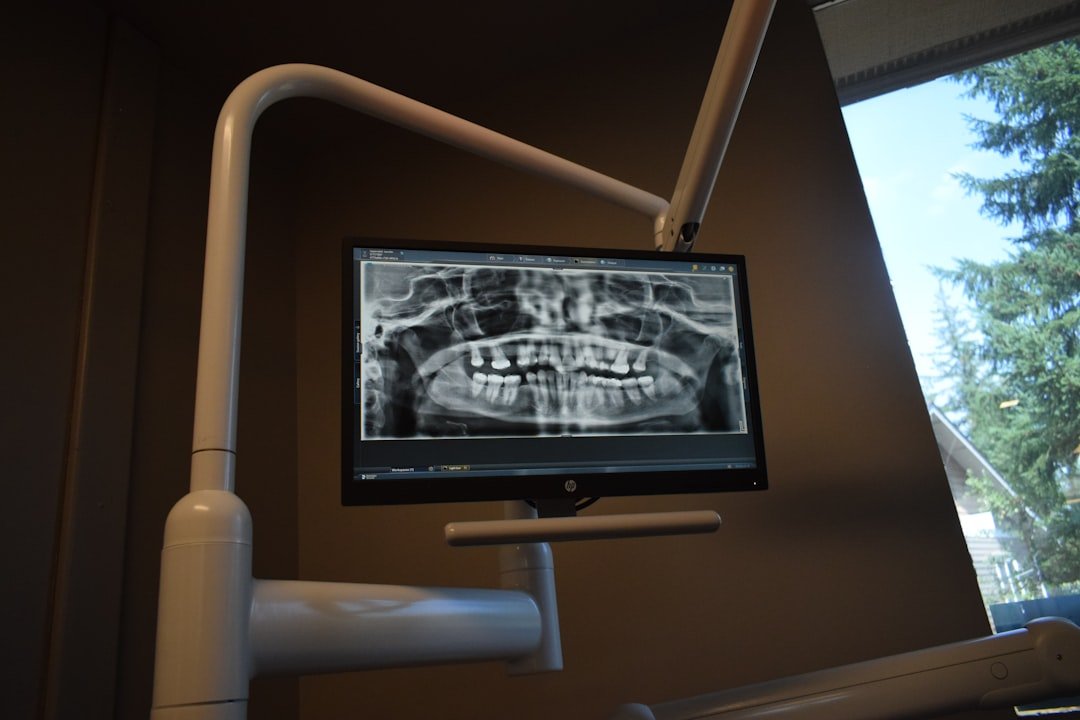
In recent years, intraoral scanners have gained significant traction in dental practices, transforming the way dental professionals approach patient care. These devices, which capture detailed digital impressions of a patient’s mouth, have become increasingly popular due to their efficiency and accuracy. As technology continues to advance, more dental practices are recognising the benefits of integrating intraoral scanners into their workflows, leading to a notable shift from traditional impression methods.
The rise of intraoral scanners can be attributed to several factors, including the growing demand for more comfortable and efficient dental procedures. Patients are increasingly seeking out practices that utilise modern technology, and intraoral scanners fit the bill perfectly. They not only streamline the impression-taking process but also enhance the overall patient experience, making them an attractive option for both practitioners and patients alike.
The Advantages of Intraoral Scanners over Traditional Impressions
One of the most significant advantages of intraoral scanners is their ability to produce highly accurate digital impressions. Traditional impression methods often involve messy materials and can lead to inaccuracies due to factors like patient movement or improper technique. In contrast, intraoral scanners capture precise 3D images of the oral cavity, reducing the likelihood of errors and ensuring a better fit for restorations.
Additionally, intraoral scanners eliminate the need for physical impression materials, which can be uncomfortable for patients. Many people find traditional impressions to be unpleasant, as they often involve gagging or discomfort from the materials used. Intraoral scanning, on the other hand, is a quick and non-invasive process that allows patients to feel more at ease during their appointments. This shift not only improves patient satisfaction but also enhances the overall efficiency of dental practices.
The Impact of Intraoral Scanners on Patient Experience
The introduction of intraoral scanners has significantly improved the patient experience in dental practices. Patients appreciate the speed and comfort associated with digital impressions, which can often be completed in a matter of minutes. This reduction in time spent in the chair can lead to a more positive perception of dental visits, encouraging patients to maintain regular check-ups and treatments.
Moreover, intraoral scanners provide an opportunity for enhanced communication between dentists and patients. The digital images captured by these devices can be easily shared and displayed on screens, allowing practitioners to explain treatment options more effectively. Patients can see their own dental conditions in real-time, fostering a sense of involvement in their treatment plans and ultimately leading to better outcomes.
The Financial Benefits of Adopting Intraoral Scanners
While the initial investment in intraoral scanning technology may seem daunting for some dental practices, the long-term financial benefits can be substantial. By streamlining workflows and reducing the time spent on impression-taking, practices can increase their overall productivity. This efficiency can lead to more appointments being scheduled and completed within a given timeframe, ultimately boosting revenue.
Additionally, the accuracy of digital impressions can reduce the need for remakes or adjustments in restorations, saving both time and money. When traditional impressions result in inaccuracies, it often leads to additional appointments for patients and increased costs for practices. By adopting intraoral scanners, dental professionals can minimise these issues and improve their bottom line.
Training and Education for Dental Professionals in Intraoral Scanning
| Region | Penetration Rate | New Standard of Care |
|---|---|---|
| USA | Exceeding 60% | Yes |
| Northern Europe | Exceeding 60% | Yes |
As with any new technology, proper training and education are essential for dental professionals looking to integrate intraoral scanners into their practices. Many manufacturers offer comprehensive training programmes that cover not only the technical aspects of using the devices but also best practices for incorporating them into existing workflows.
Ongoing education is equally important, as technology continues to evolve rapidly. Dental professionals should stay informed about advancements in intraoral scanning techniques and software updates to ensure they are utilising the technology to its fullest potential. By investing in training and education, practices can maximise the benefits of intraoral scanners and provide high-quality care to their patients.
Overcoming Barriers to Adoption of Intraoral Scanners
Despite the numerous advantages of intraoral scanners, some dental practices may face barriers to adoption. One common concern is the cost associated with purchasing and maintaining these devices. While it’s true that initial investments can be significant, many practices find that the long-term savings and increased efficiency outweigh these costs.
Another barrier is resistance to change among staff members who may be accustomed to traditional impression methods. To overcome this challenge, it’s crucial for practice owners to foster a culture of openness and adaptability. Encouraging staff involvement in the decision-making process and providing thorough training can help ease concerns and promote a smoother transition to digital workflows.
The Role of Technology in Driving the Adoption of Intraoral Scanners
The rapid advancement of technology has played a pivotal role in driving the adoption of intraoral scanners in dental practices. As digital tools become more sophisticated and user-friendly, dental professionals are increasingly recognising their potential to enhance patient care. Innovations in software and hardware have made intraoral scanning more accessible than ever before.
Moreover, the integration of intraoral scanners with other digital technologies, such as CAD/CAM systems, has further solidified their place in modern dentistry. This interconnectedness allows for seamless workflows that improve efficiency and accuracy throughout the treatment process. As technology continues to evolve, it’s likely that we will see even more advancements that will further enhance the capabilities of intraoral scanners.
Regulatory and Quality Assurance Considerations for Intraoral Scanners
As with any medical device, regulatory and quality assurance considerations are essential when it comes to intraoral scanners. Dental practices must ensure that they are using devices that meet industry standards and comply with relevant regulations. This includes verifying that the scanners have received appropriate certifications from regulatory bodies.
Quality assurance is also crucial in maintaining consistent results with intraoral scanning technology. Practices should establish protocols for regular maintenance and calibration of their devices to ensure optimal performance. By prioritising regulatory compliance and quality assurance, dental professionals can provide safe and effective care while minimising risks associated with using new technologies.
The Future of Intraoral Scanners in Dental Practice
Looking ahead, it’s clear that intraoral scanners will continue to play a significant role in shaping the future of dentistry. As technology advances further, we can expect improvements in scanning speed, accuracy, and ease of use. These enhancements will likely lead to even greater adoption rates among dental practices as they seek to stay competitive in an evolving landscape.
Additionally, as patient expectations continue to rise, practices that embrace intraoral scanning technology will be better positioned to meet these demands. The ability to provide quick, comfortable, and accurate impressions will become increasingly important as patients seek out modern solutions for their dental needs.
Intraoral Scanners as the New Standard of Care in Dentistry
As intraoral scanners become more prevalent in dental practices, they are quickly establishing themselves as the new standard of care. The benefits they offer—such as improved accuracy, enhanced patient comfort, and streamlined workflows—make them an essential tool for modern dentistry. As more practitioners adopt this technology, it’s likely that patients will come to expect digital impressions as part of their routine dental care.
This shift towards digital solutions reflects a broader trend within healthcare towards embracing technology to improve patient outcomes. As intraoral scanners become commonplace, they will not only enhance individual practices but also contribute to raising overall standards within the dental profession.
Case Studies of Successful Integration of Intraoral Scanners in Dental Practices
Several dental practices have successfully integrated intraoral scanners into their workflows, showcasing the benefits of this technology in real-world settings. For instance, a practice that previously relied on traditional impressions reported a significant reduction in appointment times after adopting an intraoral scanner. Patients appreciated the quicker process and expressed higher satisfaction levels during their visits.
Another case study highlighted a practice that experienced a decrease in remakes due to improved accuracy with digital impressions. This not only saved time but also reduced costs associated with additional appointments and materials. These examples illustrate how embracing intraoral scanning technology can lead to tangible improvements in both patient experience and practice efficiency.
In conclusion, intraoral scanners are revolutionising dental practices by offering numerous advantages over traditional impression methods. From enhancing patient comfort to improving workflow efficiency and financial outcomes, these devices are becoming an integral part of modern dentistry. As training and education continue to evolve alongside technological advancements, it’s clear that intraoral scanners will play a vital role in shaping the future of dental care.