




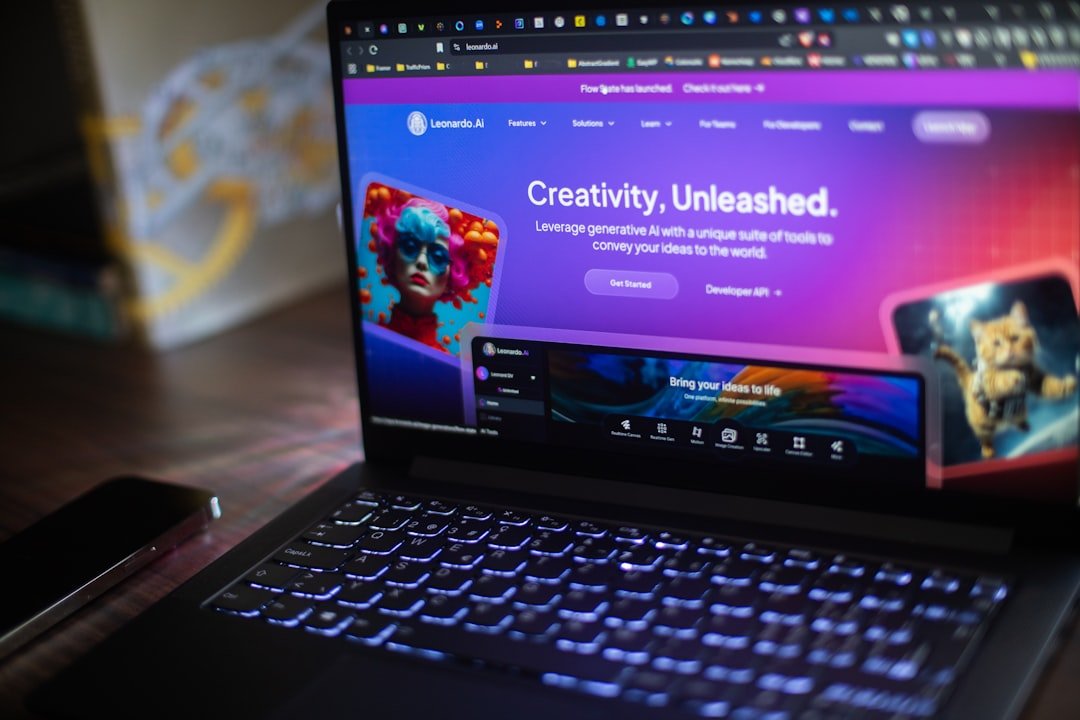
Work and life are already changing, and by 2026, AI apps will be even more woven into our daily routines. Think of them less as futuristic gadgets and more as smart assistants or tools that help us get things done more efficiently, whether that’s writing an email, scheduling a meeting, or even figuring out what to cook for dinner. The biggest shifts will be in how we interact with information, how we automate tedious tasks, and how we personalize our experiences.
By 2026, AI isn’t just about fancy chatbots. It’s about tangible improvements in how we work, freeing us up from the mundane and letting us focus on what actually matters.
Enhanced Communication and Collaboration
AI is getting really good at understanding context, which makes a big difference in how we communicate.
Smarter Email and Messaging
Imagine an AI that doesn’t just offer to auto-complete your sentences, but can draft entire professional responses based on a few bullet points. It’ll also be better at summarizing long email threads, highlighting key action items, and even suggesting who needs to be looped in. This means less time sifting through inboxes and more time on actual work. For team communication, AI could analyze sentiment in group chats, flagging potential misunderstandings or escalating urgent issues before they become problems.
Meeting Management Made Easy
Scheduling meetings is a perennial pain. AI will take over, finding optimal times that work for everyone’s calendars, booking rooms, and sending out invites with agendas. Post-meeting, AI will be able to generate concise summaries, pinpoint decisions made, and assign action items automatically. This significantly cuts down on the administrative overhead associated with getting people together.
Automation of Repetitive Tasks
Many jobs involve tasks that are essential but not very engaging. AI is stepping in to handle these.
Data Entry and Analysis
Forget endless hours spent inputting data or trying to find patterns in spreadsheets. AI tools are becoming incredibly adept at extracting information from various document types, categorizing it, and even performing initial analysis. This could range from processing invoices to analyzing customer feedback forms. The insights are faster, and the human role shifts to interpreting and acting on these AI-generated findings.
Content Generation Support
Need to draft a social media post, a basic report, or even marketing copy? AI writing assistants will offer sophisticated tools that can generate text based on specific prompts and desired tones. This isn’t about replacing writers, but about providing a powerful first draft or generating variations quickly. Journalists, marketers, and even educators will find these tools invaluable for accelerating content creation.
Personalized Workflow Optimization
Every professional has their own way of working. AI will start to adapt to that.
Task Prioritization and Management
AI can learn your work habits and priorities. It can then suggest what tasks to tackle next, flag deadlines that are approaching, and even reorder your to-do list based on incoming information and your established patterns. This is like having a personal productivity coach built into your workflow.
Skill Gap Identification
As AI takes on more routine tasks, the skills that are in demand will evolve. AI can analyze your work and identify areas where your skills might be complemented by further training or development, pointing you towards resources to upskill in areas that AI can’t yet replicate, like critical thinking, creativity, or complex problem-solving.
Transforming Everyday Life
It’s not just our jobs that are getting a makeover; AI apps are also making our personal lives smoother and more intuitive.
Intelligent Personal Assistants
The assistants we have now will evolve from responding to simple commands to proactively anticipating our needs.
Smart Home Integration and Automation
Imagine your home adjusting its temperature based on your schedule and the weather forecast, or your entertainment system suggesting movies based on your viewing history and mood. AI will orchestrate these elements seamlessly, making our living spaces more comfortable and responsive. Lights can turn on as you enter a room, and blinds can adjust to optimize natural light.
Personalized Health and Wellness Tracking
Wearable devices will become even more powerful, with AI analyzing data to provide personalized health insights. This could include detecting early signs of illness, suggesting tailored exercise routines, or even offering dietary recommendations based on your unique physiology and goals. It’s about moving from generic advice to hyper-personalized wellness plans.
Enhanced Information Access and Learning
Finding the information you need, and learning new things, is becoming less of a chore.
Advanced Search and Knowledge Synthesis
Forget sifting through pages of search results. AI will be able to understand complex queries and provide synthesized answers, drawing information from multiple sources. This means getting direct answers to nuanced questions, understanding complex topics quickly, and having information presented in a digestible format, whether that’s a summary, a timeline, or a visual explanation.
Customized Educational Experiences
For anyone looking to learn a new skill, AI tutors will offer personalized learning paths. They can identify your strengths and weaknesses, adjust the pace of instruction, and provide practice exercises tailored to your needs. This makes learning more efficient and effective, whether you’re studying for a qualification or picking up a new hobby.
Streamlined Personal Management
Managing personal finances, appointments, and even social engagements will be less taxing.
Financial Planning and Budgeting
AI can analyze your spending habits, identify areas where you can save, and even offer automated investment advice. It can help you set realistic financial goals and track your progress, making personal finance management less intimidating and more accessible. Imagine an AI flagging a recurring subscription you forgot about or suggesting budget adjustments after a large purchase.
Event Planning and Social Coordination
Organizing parties, dinners, or even just coordinating catch-ups with friends will be simplified. AI can suggest venues, manage RSVPs, coordinate transportation, and even offer personalized gift ideas based on your friends’ preferences. It takes the friction out of social planning.
Rethinking Creativity and Content Creation
AI is not just for logical tasks; it’s also becoming a partner in creative endeavors.
AI as a Creative Co-Pilot
Instead of replacing human creativity, AI will act as an amplifier.
Idea Generation and Brainstorming
Artists, writers, and designers can use AI to kickstart their creative process. If you’re stuck for ideas, AI can suggest novel concepts, generate variations on a theme, or even provide different stylistic approaches. This is about overcoming creative blocks and exploring possibilities that might not have occurred otherwise.
Music and Art Generation Assistance
AI tools will offer musicians the ability to generate backing tracks, explore new melodies, or even create entire instrumental pieces. Visual artists can leverage AI to generate unique textures, experiment with color palettes, or create abstract forms. The human artist remains in control, guiding the AI’s output to achieve their desired vision.
Interactive and Personalized Entertainment
Our entertainment experiences will become more dynamic.
Dynamic Storytelling in Games
Video games could feature AI characters that react realistically and dynamically to player actions, leading to truly unique playthroughs. Storylines could adapt in real-time, offering a more immersive and personal narrative experience that’s different for every player.
Personalized Media Recommendations and Curation
Beyond simple “you might also like” suggestions, AI will curate entire playlists, reading lists, or viewing schedules based on a deep understanding of your tastes and current mood. It’s about discovering content you’ll genuinely connect with, not just what’s popular.
The Evolving Human-AI Partnership
By 2026, the relationship between humans and AI will be one of collaboration, not just command and response.
Shifting Roles and Skill Demands
As AI handles more tasks, the value of uniquely human skills will increase.
Focus on Higher-Order Thinking
With AI taking on the heavy lifting in data analysis and routine tasks, human workers will be expected to focus more on critical thinking, problem-solving, strategic planning, and ethical decision-making. These are areas where human intuition and complex reasoning remain indispensable.
Emphasis on Empathy and Interpersonal Skills
In fields where human interaction is key, such as healthcare, education, and customer service, skills like empathy, communication, and emotional intelligence will become even more valuable. AI can assist, but it can’t replicate genuine human connection.
Ethical Considerations and Responsible Development
As AI becomes more integrated, questions of ethics and responsibility will become paramount.
Data Privacy and Security
With AI systems learning from vast amounts of data, ensuring robust data privacy and security measures will be crucial. Users will expect transparency about how their data is used and strong safeguards against breaches. Regulations will catch up to provide clearer guidelines.
Algorithmic Bias and Fairness
AI models can inherit biases from the data they are trained on, leading to unfair outcomes. Developers will need to actively work to identify and mitigate these biases to ensure AI systems are equitable and do not perpetuate societal inequalities. Auditing and testing for bias will become standard practice.
The Rise of “Augmented Intelligence”
This concept highlights how AI will enhance, rather than replace, human capabilities.
Human-in-the-Loop Systems
Many advanced AI applications will operate with humans overseeing critical decisions. This ensures a safety net and allows for the incorporation of human judgment when AI encounters ambiguous situations or makes errors.
Continuous Learning and Adaptation
Both humans and AI systems will be in a perpetual state of learning and adaptation. As AI evolves, humans will need to learn how to best leverage its capabilities, and AI will continuously refine its performance based on new data and feedback. This dynamic relationship is at the heart of how work and life will be reshaped. The focus will be on creating systems that are not just intelligent, but also understandable and controllable by humans.