






AI is already changing how we understand learning, but what’s next? Think of it as moving beyond simply tracking what students do to really understanding how and why they learn, and then using that insight to help them – and their educators – do even better. This next wave is all about deeper, more personalised, […]

Google Vids Lets Teachers Make Pro Videos in Minutes, Not Hours
Right, so you’re probably wondering if this whole “Google Vids” thing for teachers is actually as good as it sounds. Can you really whip up professional-looking videos without needing a film degree and a week of your life? The short answer is: yes, it’s designed to do just that. Google Vids aims to take the […]

How AI Is Changing Tutoring, Coaching, and Microlearning
AI is definitely shaking things up in the world of learning, and that includes tutoring, coaching, and the bite-sized learning we call microlearning. If you’re wondering how it’s all changing, the short answer is: it’s making learning more personalised, accessible, and efficient for everyone involved. Think of it as a smart assistant that can understand […]
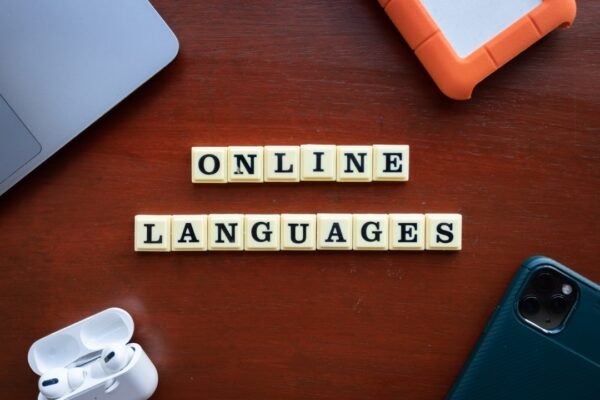
AI for Multilingual Learning and Cross-Cultural Classrooms
Artificial Intelligence is rapidly changing how we approach education, and one of the most exciting areas is how it’s helping us navigate the complexities of multilingual learning and multicultural classrooms. Forget clunky translation apps; AI is evolving into sophisticated tools that can truly support learners and educators in bridging language barriers and fostering understanding across […]

Why Education Leaders Need AI Governance Now
So, you’re probably hearing a lot about AI, right? And maybe you’re wondering, as an education leader, if all this hype actually applies to your world. The short answer is: yes, and you need to get a handle on it pretty quickly. AI isn’t just a shiny new tool for the techies; it’s starting to […]

NotebookLM Turns Your Documents Into Summaries, Study Guides, and Quizzes Instantly
So, you’ve got a pile of documents – research papers, meeting notes, lecture handouts, maybe even a hefty novel you’re trying to get your head around. What if you could instantly transform all that text into something actually useful, like bite-sized summaries, personalised study guides, or even quick quizzes to test your knowledge? That’s essentially […]
Building Trustworthy AI Systems for Schools
So, how do we build AI systems for schools that we can actually trust? It’s a big question, and the short answer is: it’s a multifaceted process that requires careful planning, ongoing vigilance, and a commitment to putting student well-being and educational integrity first. It’s not about finding a single magic bullet, but rather about […]
Can AI Help Close Learning Gaps Faster?
Yes, AI can absolutely help close learning gaps faster, and it’s already doing so in some exciting ways. Think of it less as a magic bullet and more as a highly effective, personalised assistant that can make a real difference for learners who are struggling or falling behind. The core idea is that AI can […]

The Future of Formative Assessment with AI
Right, let’s talk about AI in formative assessment. The short answer? It’s going to transform how we understand student learning, pretty fundamentally. We’re moving beyond simple multiple-choice checks and into a world where AI can provide much richer, timely insights, helping teachers adapt quicker and students learn more effectively. For ages, formative assessment has been […]

EduGems Creates standards-Aligned Lessons in Seconds — Teachers Love It
EduGems delivers what many teachers have been dreaming of: a way to generate standards-aligned lesson plans in mere seconds. This isn’t just a fancy AI trick; it’s a practical tool that genuinely streamlines the planning process, giving educators more time to focus on what truly matters – their students. EduGems is an AI-powered platform designed […]