




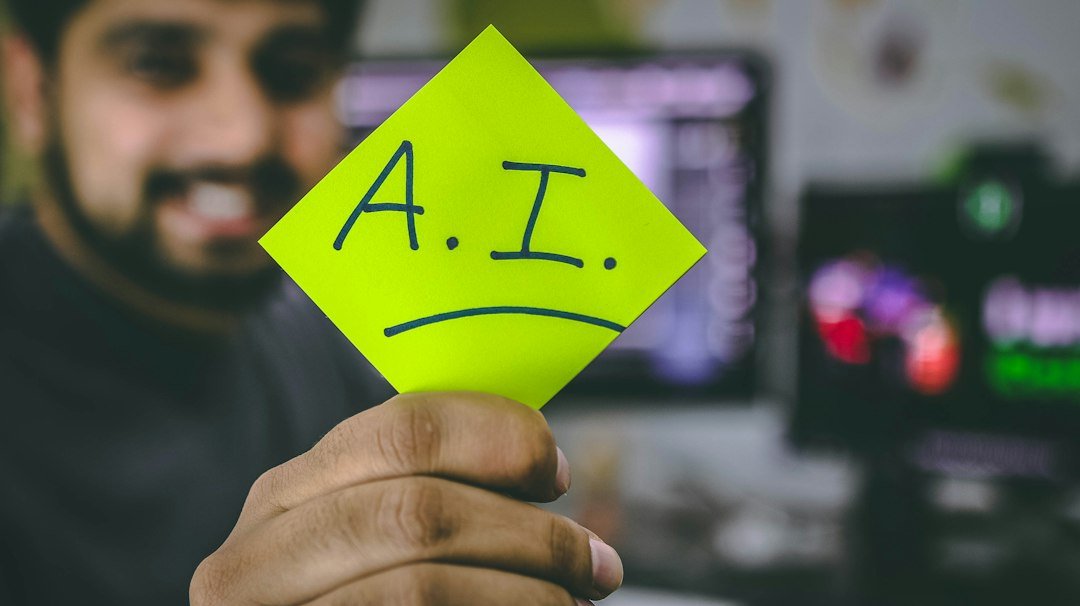
Right then, let’s have a chat about AI in education – what it’s good for and where it might cause a bit of a headache. The quick answer is that AI holds a fair bit of promise for making learning more personalised and efficient, but it also brings some significant concerns about fairness, privacy, and the very nature of human interaction in teaching. It’s not a magic bullet, but it’s definitely something we need to understand better as it becomes more widespread.
The Bright Side: How AI Could Really Help Out
Let’s start with the positives, because there are some genuinely exciting possibilities here. AI isn’t just about robots taking over classrooms; it’s more about smart tools that can help teachers and students in ways that weren’t really possible before.
Personalised Learning Journeys
One of the biggest advantages everyone talks about is how AI can tailor learning. Think about it: in a traditional classroom, a teacher has 30 different kids, all with different strengths, weaknesses, and learning styles. It’s tough to cater to every single one.
Adapting to Individual Paces
AI-powered platforms can figure out if a student is grasping a concept quickly or if they’re struggling. If a student nails something, the system can move them on to the next topic. If they’re finding it tricky, it can offer extra practice, explain it differently, or suggest relevant resources. This means no one is left behind, and no one is held back. It’s like having a tutor who knows exactly what you need, exactly when you need it. This could be a game-changer for students with diverse learning needs, including those with learning disabilities, or even gifted students who often find themselves bored waiting for the rest of the class to catch up.
Identifying Knowledge Gaps Early
These systems can pinpoint exactly where a student’s understanding breaks down. Instead of a teacher marking a whole test and just seeing “failed,” an AI could tell them, “This student consistently misunderstands fractions when they involve mixed numbers.” This granular feedback is incredibly powerful for intervention, allowing teachers to address specific issues before they become major roadblocks. It shifts the focus from just grading to genuine diagnostic assessment.
Easing the Teacher’s Workload
Let’s be honest, teachers are swamped. Marking, planning, admin – it all adds up. AI isn’t going to replace teachers, but it could certainly free them up to do more of what they do best: actually teach.
Automated Grading and Feedback
Imagine an AI that can automatically grade essays or complex maths problems. For multiple-choice or short-answer questions, this is already quite effective. But even for more subjective tasks, AI is getting better at providing preliminary feedback on grammar, structure, and even logical coherence. This doesn’t mean the teacher doesn’t review it, but it means they spend less time on the initial grunt work and more time on high-level, constructive comments. Think of the hours saved!
Resource Curation and Lesson Planning
Teachers spend a huge amount of time finding appropriate materials, creating worksheets, and designing lessons. AI tools could assist by quickly finding relevant articles, videos, and interactive exercises based on curriculum objectives. They could even suggest lesson plans that incorporate various teaching methodologies, saving valuable preparation time. This isn’t about the AI doing the planning entirely, but acting as a very efficient assistant.
Accessibility and Engagement Boost
Education should be for everyone, and AI has a role to play in making it more accessible and, frankly, more interesting for students.
Breaking Down Language Barriers
For students who are learning in a second language, or for those with hearing impairments, AI tools can be revolutionary. Real-time translation of lectures, automated captions for videos, or text-to-speech functions can ensure that language is less of a barrier to understanding. This levels the playing field significantly for a diverse student population.
Interactive and Engaging Content
Traditional textbooks can sometimes feel a bit dry. AI can power interactive simulations, virtual reality experiences, and gamified learning environments. These can make complex subjects much more engaging and help students visualise abstract concepts. Imagine learning about ancient Rome by walking through a VR recreation, or understanding physics through an interactive simulation where you can manipulate variables. This kind of immersive learning can boost engagement and retention.
The Other Side of the Coin: Potential Pitfalls and Concerns
Now, it’s not all sunshine and rainbows. While the potential is great, there are some serious hurdles and ethical considerations we need to grapple with. Ignoring these would be a huge mistake.
Ethical Minefields and Bias
AI systems are only as good as the data they’re trained on, and that’s where problems can creep in.
Inherited Bias from Data
If an AI is trained on data that reflects existing societal biases – for example, data where certain demographics are underrepresented or unfairly depicted – then the AI will perpetuate and even amplify those biases. In education, this could mean an AI system unfairly assessing students from particular backgrounds, or even inadvertently guiding them towards or away from certain subjects based on biased historical data. This isn’t about the AI being malicious, but about it faithfully reproducing flaws in the data it was fed. This could further entrench inequalities rather than alleviate them.
Algorithmic Fairness in Assessment
How do we ensure an AI is fair in its assessment? If an algorithm decides who gets extra support or who is recommended for advanced classes, what if that algorithm has an unconscious bias against a particular learning style or cultural background? The “black box” nature of some AI means it can be hard to understand why it made a particular decision, making it difficult to challenge or correct potential injustices. Transparency and auditability are crucial here.
Data Privacy and Security Risks
Education systems handle an incredible amount of sensitive personal data about children and young adults. Integrating AI adds another layer of complexity to protecting this information.
Collection and Usage of Student Data
AI systems in education often need to collect vast amounts of data about student performance, behaviour, and even emotional states to function effectively. Who owns this data? How is it stored? And who has access to it? There’s a significant risk that this data could be misused, sold to third parties, or even hacked, exposing sensitive information about young people. Clear policies and robust security measures are absolutely essential, but often difficult to implement perfectly.
Vendor Lock-in and Data Silos
If schools adopt a particular AI platform, there’s a risk of becoming locked into that vendor. Migrating data to another system later could be incredibly difficult, and the vendor might control how that data can be accessed or used. This could limit a school’s flexibility and autonomy in the long run.
The Human Element and Skill Dilution
Education is fundamentally a human endeavour. What happens when we introduce too much automation?
Reducing Human Interaction
While AI can personalise learning, there’s a real danger that it could reduce valuable human interaction between students and teachers, and even among students themselves. Learning isn’t just about absorbing facts; it’s about developing social skills, critical thinking through discussion, and emotional intelligence. Over-reliance on AI could lead to a more solitary learning experience, potentially harming these crucial developmental areas.
Impact on Critical Thinking and Creativity
If AI is constantly providing the “right” answers or guiding students down predefined paths, could it stifle independent thought, problem-solving, and creativity? There’s a concern that students might become too reliant on AI for solutions rather than grappling with complex problems themselves, which is vital for developing deeper understanding and intellectual resilience. We need AI to augment, not diminish, these core cognitive skills.
Teacher Deskilling
If AI takes over many of the tasks traditionally performed by teachers – marking, lesson planning, differentiation – what impact does this have on teacher expertise and professional development? There’s a risk that teachers might become less skilled in certain areas if they outsource too much to AI, potentially making them less adaptable in situations where AI isn’t available or suitable.
Implementation Challenges and Equity Gaps
Even if we address the ethical issues, getting AI into schools effectively is a monumental task.
Digital Divide and Resource Allocation
Implementing AI in education isn’t cheap. It requires significant investment in technology infrastructure, software licenses, and teacher training. This immediately raises concerns about the digital divide. Schools in less affluent areas, or even entire countries, might be left behind, exacerbating existing inequalities in educational access and quality. If AI becomes an essential part of effective education, those without access will be at a severe disadvantage.
Teacher Training and Resistance
Teachers aren’t just going to magically know how to use complex AI tools. They’ll need comprehensive, ongoing training, which takes time, money, and commitment. There could also be resistance from teachers who feel threatened by the technology, or who simply don’t see the value in it without proper understanding and support. A successful rollout requires buy-in and genuine empowerment for educators.
System Reliability and Malfunctions
Like any technology, AI systems can have glitches, bugs, or even go offline. If schools become heavily reliant on these systems for core educational functions, a malfunction could cause significant disruption. What happens if the grading system crashes during exam season, or the personalised learning platform is down for an extended period? Contingency plans are vital, but often complex.
Striking a Balance: The Way Forward
So, where does that leave us? It’s clear that AI isn’t going away, and its potential in education is too significant to ignore. The key is to approach it with a clear-eyed perspective, embracing the benefits while rigorously addressing the challenges.
Thoughtful Integration, Not Blind Adoption
We need to be strategic about where and how AI is used. It’s not about replacing teachers or fundamental human interactions, but about augmenting them. AI should be seen as a tool to enhance learning and teaching, not to completely transform it overnight. Pilot programmes, careful evaluation, and iterative development will be crucial to ensure that AI is introduced effectively and responsibly.
Prioritising Ethics and Transparency
Before widespread deployment, we need robust ethical frameworks and clear guidelines. This means ensuring transparency in how AI algorithms work, conducting regular audits for bias, and establishing mechanisms for appeal if a student feels an AI assessment was unfair. Privacy by design should be a non-negotiable principle, with strong data protection policies and explicit consent processes for data collection.
Empowering Educators, Not Undermining Them
Teachers need to be at the heart of this transformation. They need to understand what AI can and cannot do, and how to best leverage it in their classrooms. Investment in comprehensive training isn’t just about teaching them how to click buttons, but about helping them develop critical AI literacy – understanding its limitations, biases, and how to critically evaluate its outputs. This will ensure they remain the architects of learning, even with powerful new tools at their disposal.
Fostering Critical AI Literacy in Students
It’s not just teachers who need to understand AI; students do too. As AI becomes more pervasive in their lives, teaching them about how it works, its strengths, and its limitations will be vital. This means encouraging critical thinking about information generated by AI, understanding data privacy, and recognising the ethical implications of these technologies. This isn’t just about using AI for learning; it’s about learning about AI.
Conclusion: A Tool, Not a Saviour
Ultimately, AI in education is a powerful tool. Like any tool, its effectiveness and impact depend entirely on how it’s designed, implemented, and managed. It has the potential to revolutionise aspects of learning, making it more personalised, efficient, and engaging. However, without careful consideration of the ethical implications, data privacy, and the crucial role of human interaction, it also risks exacerbating inequalities, undermining fundamental skills, and creating more problems than it solves. The conversation isn’t about whether to use AI, but how to use it wisely, responsibly, and in a way that genuinely benefits every learner.