








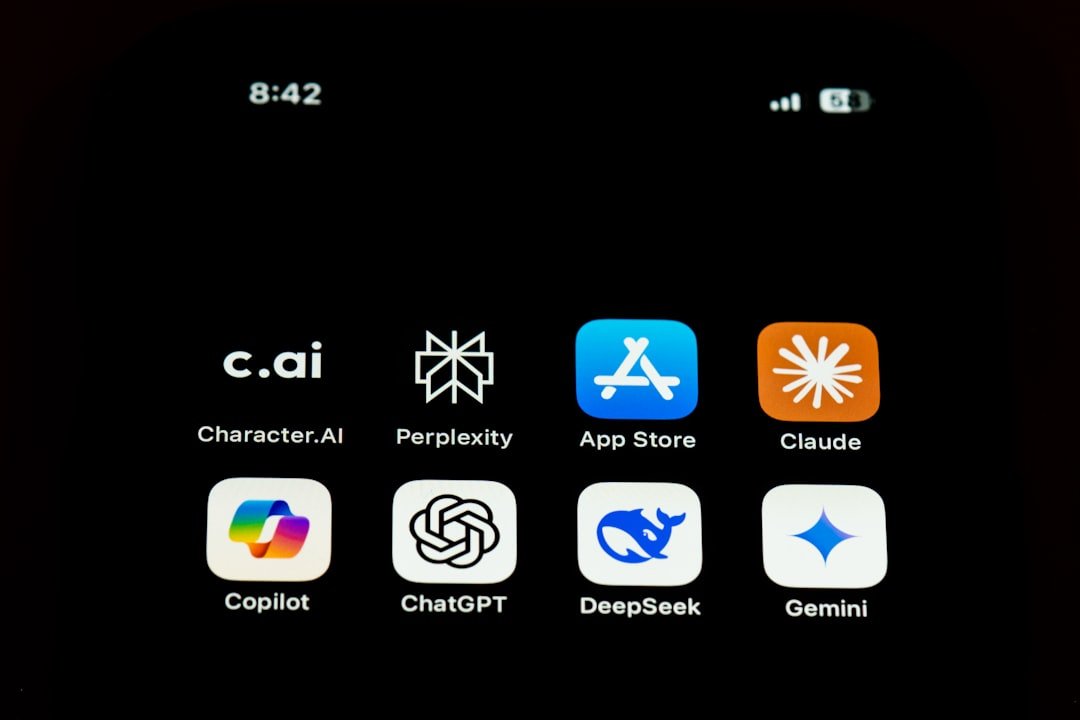
As we move closer to 2026, the landscape of AI-powered applications is shifting rapidly. Many existing tools are getting smarter, and new ones are emerging that are genuinely changing how we work, create, and interact with information. The apps to watch aren’t just about flashy features; they’re the ones offering practical, often subtle, improvements that integrate AI seamlessly into our daily routines, making tasks more efficient or opening up entirely new possibilities.
Productivity has always been a key area for technological advancement, and AI is taking it to new levels. These aren’t just glorified to-do lists; they’re intelligent assistants that learn your habits and predict your needs.
Context-Aware Communication Platforms
Standard chat apps are fine for quick messages, but the next wave uses AI to understand the context of your conversations. Imagine a platform that summarizes long email threads before you even open them, identifies action items from meeting transcripts, and even drafts polite follow-up messages based on discussion points. This goes beyond simple sentiment analysis; it involves deep understanding of intent and relationships within communications.
Tools like these are becoming adept at discerning urgency, prioritizing messages, and automatically categorizing information. They’re about reducing “digital noise” and helping you focus on what actually matters without explicitly telling them to. For instance, if a colleague mentions a deadline in a casual chat, these platforms might flag it as a task without you needing to manually create one.
Hyper-Personalized Learning and Skill Development
Forget one-size-fits-all online courses. AI is enabling platforms that genuinely adapt to your individual learning style, pace, and existing knowledge base. They don’t just recommend the next module; they analyze your performance, identify weak spots, and even suggest alternative teaching methods or supplementary materials that cater specifically to how you absorb information best.
- Adaptive Curriculum Generation: This technology dynamically adjusts course content based on your progress and understanding, ensuring you’re always challenged appropriately, not overwhelmed or bored.
- Virtual Tutoring with Emotional Intelligence: Beyond answering questions, future AI tutors could recognize your frustration or confusion through vocal patterns or text analysis and adjust their explanations or even offer encouragement.
- Skill-Gap Identification: For professionals, these platforms can analyze their career goals and current skill set, then recommend specific micro-courses or projects to bridge identified gaps, tailored to market demands.
These tools are moving beyond simple quizzing into creating bespoke educational journeys, making continuous learning a more engaging and effective process for everyone.
Creative and Content Generation Evolution
AI has already made significant inroads into creative fields, but the upcoming batch of applications is about offering finer control, greater customization, and more integrated workflows. The focus is shifting from merely generating content to collaborating with human creators.
Advanced Collaborative Design Assistants
Design tools are no longer just passive interfaces. AI-powered assistants are becoming active partners, offering suggestions, automating repetitive tasks, and even helping to generate initial concepts based on abstract prompts.
- Semantic Understanding of Design Goals: Instead of just responding to keywords, these tools can interpret your high-level design objectives (e.g., “create a clean, modern interface for a finance app”) and generate mood boards, color palettes, and layout suggestions that align with that aesthetic.
- Intelligent Asset Curation: They can scour vast libraries of stock images, icons, and fonts, pinpointing the perfect assets that fit your design brief, saving hours of manual searching.
- Automated Accessibility Checks: Before you even finish a design, AI can highlight potential accessibility issues, ensuring your creations are usable by a broader audience from the outset.
These assistants aim to streamline the iterative design process, freeing up designers to focus on creative problem-solving rather than technical execution.
Next-Gen Narrative and Storytelling Aids
AI is moving beyond basic text generation to tools that understand narrative structure, character development, and genre conventions. These aren’t machines that write for you, but rather intelligent co-authors that help you explore ideas, overcome writer’s block, and refine your storytelling.
- Dynamic Plot Development: Give it a premise and some characters, and the AI can generate multiple plot branches, suggest conflict points, or even outline entire story arcs, allowing you to pick and choose elements.
- Character Voice Consistency: For longer works, these tools can help ensure that each character’s dialogue and internal monologue remain consistent with their established personality traits throughout the narrative.
- World-Building Assistants: For fantasy or sci-fi authors, AI can help flesh out intricate details of fictional worlds, from historical timelines to cultural norms, ensuring internal consistency.
The goal here is augmentation, providing a sounding board and ideation partner for writers, helping them push their creative boundaries.
Personalized Health and Wellness Companions
The intersection of AI and personal health is expanding rapidly, moving beyond simple fitness trackers to tools that offer proactive, personalized guidance.
Proactive Mental Wellness Platforms
Mental health support is a critical area where AI can make a difference. These platforms are developing capabilities to offer more than just cognitive behavioral therapy prompts.
- Early Stress & Burnout Detection: By analyzing communication patterns, sleep data from wearables, and journal entries (with user permission), these systems can identify early indicators of stress or burnout and suggest timely interventions or coping strategies.
- Personalized Therapeutic Exercises: Based on individual needs and progress, the AI can recommend tailored mindfulness exercises, journaling prompts, or even connect users with relevant, human-led support resources.
- Emotionally Intelligent Conversational Agents: These aren’t therapists, but they are becoming more sophisticated at understanding nuanced emotional expressions in text and voice, providing empathetic responses and guiding users towards healthier thought patterns.
The aim is to provide accessible, non-judgmental support that adapts to the user’s evolving mental state, acting as a valuable supplement to traditional care.
Hyper-Individualized Nutrition and Fitness Coaching
Generic diet plans and workout routines are becoming a thing of the past. AI is enabling deeply personalized approaches to physical health.
- Physiological Response Modeling: These apps can integrate data from various wearables, genetic tests (if provided), and even continuous glucose monitors to build a precise model of your body’s unique responses to different foods and exercises.
- Demand-Driven Meal Planning: Instead of static meal plans, the AI can suggest meals in real-time based on your activity levels, sleep quality, and even current food availability, optimizing for specific dietary goals.
- Adaptive Workout Generation: Your workout routine can evolve daily, adjusting intensity and type of exercise based on your recovery, energy levels, and even weather conditions, ensuring optimal results and injury prevention.
These tools are about moving beyond general wellness advice to a truly personalized health regimen, treating each individual as a unique physiological system.
Advanced Data and Information Management
Navigating the vast ocean of digital information is a growing challenge. AI is stepping in to make sense of it all, going beyond simple search.
Intelligent Research and Knowledge Synthesis
The ability to quickly find and understand complex information is becoming a superpower. AI is transforming how we conduct research and gather insights.
- Cross-Domain Information Correlators: Imagine asking a question that spans multiple disciplines (e.g., “What are the economic implications of quantum computing on emerging markets?”) and having an AI synthesize relevant findings from academic papers, news articles, and market reports, presenting it as a coherent summary.
- Bias Detection and Source Verification: These tools are getting better at identifying potential biases in information sources and flagging questionable claims, helping users critically evaluate what they read.
- Interactive Knowledge Graphs: Instead of just a list of search results, the AI can build a dynamic, interactive graph of interconnected concepts, helping you visualize relationships between different pieces of information and explore topics more deeply.
These applications are about providing deep understanding and nuanced perspectives, not just raw data. They aim to elevate users’ analytical capabilities.
Personalized Information Feeds with Deeper Context
Traditional news feeds are often overwhelming and filled with echo chambers. The next generation of AI-powered feeds aims to deliver more relevant content with broader perspectives.
- Multifaceted Perspective Aggregation: Beyond topics of interest, these feeds can learn your preferred level of detail and your interest in diverse viewpoints, actively seeking out and presenting articles from different ideological stances on a given issue, helping to combat filter bubbles.
- Contextual News Summarization: Instead of just a headline, the AI can provide a brief summary of a news article, highlighting its key arguments and explaining its relevance to other topics you’ve been following.
- “Explain This Concept” Integration: If an article mentions a complex term or concept, the AI can offer an immediate, bite-sized explanation without needing to leave the page, fostering deeper understanding.
The goal is to create an information environment that is both informative and intellectually stimulating, offering efficiency without sacrificing depth or nuance.
Enhanced Personal and Home Automation
| App Name | Category | AI Features | Expected Impact |
|---|---|---|---|
| Siri | Virtual Assistant | Natural language processing, machine learning | Enhanced user experience, improved voice recognition |
| Google Photos | Photo Management | Image recognition, object detection | Efficient photo organization, smart album creation |
| Cortana | Virtual Assistant | Contextual understanding, predictive analysis | Personalized recommendations, proactive assistance |
| Prisma | Photo Editing | Artistic style transfer, image enhancement | Creative photo effects, advanced image processing |
Smart homes and personal assistants have been around a while, but the new wave is about more seamless integration and predictive capabilities that truly anticipate your needs.
Predictive Home Environment Management
Your home automation system isn’t just reacting to commands; it’s learning your routines and optimizing your living space before you even think to ask.
- Anticipatory Climate Control: Based on learned routines, external weather forecasts, and even your wearable body temperature data, the system can adjust heating or cooling to your preferred comfort level before you arrive home or wake up.
- Contextual Lighting and Soundscapes: Lights adjust not just to time of day but to your activity (e.g., brighter for reading, softer for relaxing) and can even suggest calming soundscapes based on detected stress levels or sleep patterns.
- Intelligent Appliance Scheduling: Think washing machines that start when electricity rates are lowest, or coffee makers that brew based on your wake-up patterns rather than a fixed timer, all adapting dynamically.
These systems are about creating a living environment that subtly adapts to and enhances your well-being without constant manual intervention, blending into the background of your life.
Personalized Digital Concierges
Moving beyond simple voice assistants, these concierges are becoming truly personalized agents, learning your preferences, managing your schedules, and even making decisions on your behalf.
- Proactive Task Delegation: If you usually order groceries on a Friday, the concierge might suggest a shopping list based on your past purchases and pantry inventory, waiting for your approval.
- Autonomous Appointment Scheduling: Given a set of preferences and priorities, it can intelligently schedule meetings, doctor’s appointments, or even social engagements, navigating calendar conflicts and communicating with other parties.
- Tailored Information Retrieval: It doesn’t just answer questions; it anticipates which information you’ll need for upcoming events (e.g., “Here’s the weather for your trip next week,” “Here are the top restaurants near your meeting location”).
These concierges are designed to offload mental load, acting as an intelligent extension of your own planning and organizational capabilities, making daily life noticeably smoother.