








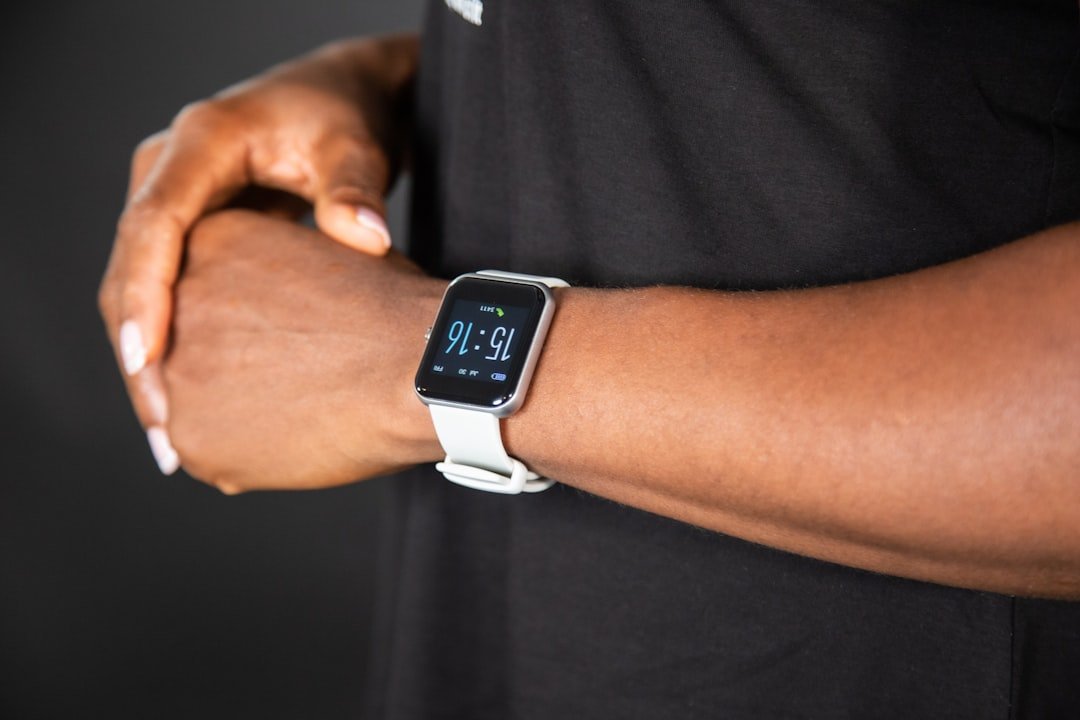
In recent years, wearable health devices have surged in popularity, transforming the way we approach personal health and wellness. From fitness trackers to smartwatches, these gadgets have become commonplace, offering users a wealth of information about their physical well-being. The rise of these devices can be attributed to advancements in technology, increased health awareness, and a growing desire for self-monitoring. As people become more health-conscious, the demand for tools that provide real-time data has skyrocketed.
The appeal of wearable health devices lies in their ability to empower individuals. They provide insights into various aspects of health, from physical activity levels to sleep patterns. This shift towards self-monitoring has not only made health management more accessible but has also encouraged a proactive approach to wellness. As a result, many users find themselves more engaged in their health journeys, leading to better lifestyle choices and improved overall well-being.
Continuous Monitoring of Vital Signs
One of the most significant advantages of wearable health devices is their ability to continuously monitor vital signs. Unlike traditional methods that require periodic check-ups, these devices offer real-time data on heart rate, blood pressure, and even oxygen saturation levels. This continuous monitoring can be particularly beneficial for individuals with chronic conditions or those at risk of developing health issues.
For instance, a smartwatch equipped with heart rate monitoring can alert users to irregularities that may require medical attention. This immediate feedback can be crucial in preventing serious health complications. Moreover, the data collected over time can help healthcare professionals make informed decisions about treatment plans and lifestyle modifications. The convenience of having vital signs monitored around the clock provides peace of mind for users and enhances their ability to manage their health effectively.
Tracking Glucose Levels on the Go
For individuals with diabetes, managing glucose levels is a daily challenge. Wearable health devices have made significant strides in this area, offering continuous glucose monitoring (CGM) systems that allow users to track their blood sugar levels effortlessly. These devices provide real-time readings and alerts, enabling users to make timely adjustments to their diet or medication.
The convenience of tracking glucose levels on the go cannot be overstated. Users no longer need to rely solely on finger-prick tests, which can be painful and inconvenient. Instead, they can access their glucose data through a smartphone app or smartwatch interface, making it easier to stay on top of their condition. This innovation not only improves the quality of life for those with diabetes but also fosters a sense of independence and control over their health.
Advancements in Cardiac Rhythm Monitoring
Cardiac health is another area where wearable devices have made remarkable advancements. Many modern wearables now include features for monitoring cardiac rhythms, which can help detect irregularities such as atrial fibrillation (AFib). Early detection of such conditions is crucial, as they can lead to serious complications if left untreated.
These devices often use advanced algorithms to analyse heart rhythms and provide users with insights into their cardiac health. For example, some smartwatches can perform electrocardiograms (ECGs) at the touch of a button, allowing users to capture data that can be shared with healthcare providers. This level of monitoring not only enhances personal awareness but also facilitates timely medical intervention when necessary.
The Convenience of Monitoring Outside Clinics
| Device Type | Metrics |
|---|---|
| Wearable Health Device | Continuous monitoring of vital signs |
| Wearable Health Device | Continuous monitoring of glucose levels |
| Wearable Health Device | Continuous monitoring of cardiac rhythms |
One of the most significant benefits of wearable health devices is the convenience they offer for monitoring health outside traditional clinical settings. Users can track their health metrics anytime and anywhere, eliminating the need for frequent visits to healthcare facilities. This flexibility is particularly advantageous for those with busy lifestyles or limited access to healthcare services.
Moreover, the ability to monitor health at home encourages individuals to take a more active role in their wellness journey. With data readily available at their fingertips, users can identify trends and make informed decisions about their health without waiting for scheduled appointments. This shift towards remote monitoring not only saves time but also reduces the burden on healthcare systems, allowing professionals to focus on patients who require immediate attention.
The Impact on Personal Health Management
Wearable health devices have fundamentally changed how individuals manage their health. By providing continuous access to vital information, these devices empower users to take charge of their well-being. Many people find that tracking their activity levels, sleep quality, and other metrics motivates them to adopt healthier habits.
For instance, a fitness tracker that monitors daily steps can encourage users to increase their physical activity levels. Similarly, sleep tracking features can help individuals identify patterns that affect their rest quality, prompting them to make necessary adjustments. This personalised approach to health management fosters a sense of accountability and encourages users to set and achieve specific wellness goals.
Integrating Wearable Devices into Daily Life
Integrating wearable health devices into daily life is becoming increasingly seamless. Many people now wear these gadgets as part of their everyday attire, blending functionality with style. With various designs available, from sleek smartwatches to discreet fitness bands, users can choose devices that suit their personal preferences while still benefiting from the technology.
The integration of wearables into daily routines also extends beyond fitness tracking. Many devices now offer features such as notifications for calls and messages, music control, and even contactless payments. This multifunctionality makes wearables not just health tools but essential accessories that enhance overall convenience in daily life.
The Role of Wearable Devices in Preventive Care
Preventive care is a crucial aspect of maintaining long-term health, and wearable devices play a significant role in this area. By providing continuous monitoring and data collection, these gadgets enable users to identify potential health issues before they escalate into serious conditions. For example, consistent tracking of heart rate variability can help users recognise stress patterns and take proactive steps to manage them.
Additionally, many wearables offer insights into lifestyle factors such as physical activity and sleep quality, which are essential components of preventive care. By encouraging users to adopt healthier habits and stay informed about their health metrics, wearable devices contribute to a more proactive approach to wellness that prioritises prevention over treatment.
Improving Access to Healthcare Through Wearable Devices
Wearable health devices are also improving access to healthcare for many individuals. In remote or underserved areas where healthcare facilities may be limited, these devices provide a means for individuals to monitor their health without needing regular visits to clinics. This accessibility is particularly important for those with chronic conditions who require ongoing monitoring.
Furthermore, the data collected by wearable devices can be shared with healthcare providers remotely, facilitating telehealth consultations and reducing the need for in-person visits. This shift not only enhances access to care but also allows healthcare professionals to monitor patients more effectively and intervene when necessary.
Addressing Challenges and Concerns
Despite the numerous benefits of wearable health devices, there are challenges and concerns that need addressing. Privacy and data security are significant issues; users must trust that their personal health information is protected from unauthorised access or misuse. Manufacturers must prioritise robust security measures and transparent data policies to build user confidence.
Additionally, there is the risk of over-reliance on technology for health management. While wearables provide valuable insights, they should not replace professional medical advice or regular check-ups. Users must remain aware of the limitations of these devices and understand that they are tools meant to complement traditional healthcare rather than replace it entirely.
The Future of Wearable Health Devices
Looking ahead, the future of wearable health devices appears promising. As technology continues to advance, we can expect even more sophisticated features that enhance user experience and improve health outcomes. Innovations such as artificial intelligence and machine learning may lead to more personalised insights and predictive analytics that help users anticipate potential health issues before they arise.
Moreover, as society becomes increasingly focused on preventive care and holistic wellness, wearable devices will likely play an even more significant role in shaping how we approach our health journeys. With ongoing research and development in this field, we may soon see wearables that integrate seamlessly with other aspects of our lives, further enhancing our ability to monitor and manage our health effectively.
In conclusion, wearable health devices have revolutionised personal health management by providing continuous monitoring, improving access to care, and encouraging proactive wellness strategies. While challenges remain, the potential for these devices to enhance our understanding of our health is immense. As we embrace this technology, it’s essential to remain informed and engaged in our health journeys while leveraging the benefits that wearables offer.