








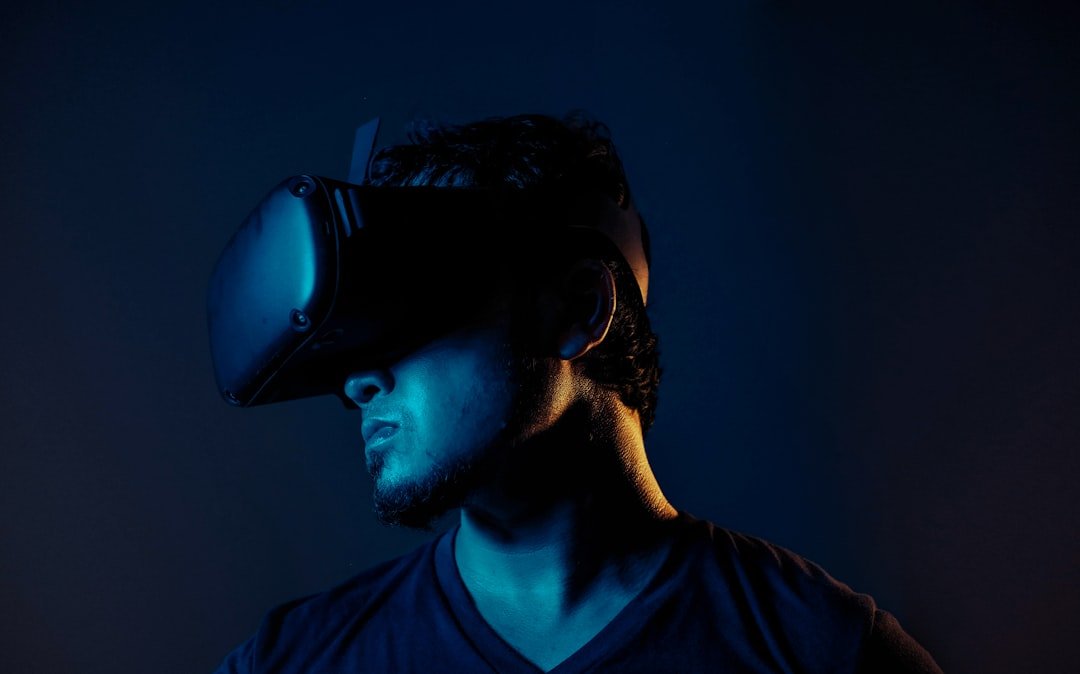
Virtual reality (VR) has evolved significantly over the past few decades, transforming from a niche technology into a powerful tool with applications across various fields, including healthcare. At its core, VR immerses users in a computer-generated environment, allowing them to interact with 3D spaces and objects as if they were real. This immersive experience is achieved through headsets and motion-tracking devices that respond to the user’s movements, creating a sense of presence in a virtual world.
In healthcare, VR is being harnessed for its ability to engage patients in ways that traditional methods cannot. By simulating real-life scenarios, VR can help patients confront fears, manage pain, and even prepare for medical procedures. The technology’s potential to create tailored experiences makes it an exciting area of research and application, particularly in pain management and anxiety reduction.
Virtual Reality in Pain Management
The use of virtual reality in pain management is gaining traction as more studies highlight its effectiveness. By immersing patients in engaging virtual environments, VR can distract them from pain and discomfort during medical procedures or chronic pain episodes. This distraction technique works by redirecting the brain’s focus away from pain signals, allowing patients to experience a reduction in their perception of pain.
Research has shown that patients using VR during painful procedures report lower pain levels compared to those who do not use the technology. For instance, VR has been successfully employed in burn care, where patients undergoing wound dressing changes found relief through immersive experiences that transported them to calming environments or exciting adventures. This innovative approach not only alleviates pain but also enhances the overall patient experience.
Virtual Reality in Anxiety Reduction
Anxiety is a common issue faced by many patients, particularly in medical settings where fear of the unknown can exacerbate stress levels. Virtual reality offers a unique solution by providing controlled environments where patients can confront their anxieties in a safe space. Through exposure therapy techniques, VR can help individuals gradually face their fears, whether it’s flying, public speaking, or even visiting the dentist.
Studies have demonstrated that VR can significantly reduce anxiety levels before and during medical procedures. By immersing patients in calming landscapes or guided relaxation sessions, VR helps lower heart rates and promotes a sense of tranquillity. This not only benefits patients emotionally but can also lead to smoother procedures and better outcomes for healthcare providers.
The Use of Virtual Reality in Dental Procedures
Dental anxiety is a prevalent issue that affects many individuals, often leading to avoidance of necessary dental care. Virtual reality has emerged as a promising tool to help alleviate this anxiety during dental procedures. By providing patients with an engaging distraction, VR can transform the dental experience from one of fear to one of comfort.
In practice, patients can wear VR headsets while undergoing treatments such as fillings or extractions. The immersive experience allows them to focus on a virtual world rather than the sounds and sensations associated with dental work. Many dental practices have reported positive feedback from patients who felt more relaxed and less anxious when using VR during their appointments.
The Use of Virtual Reality in Surgical Procedures
| Study | Findings |
|---|---|
| Virtual Reality for Pain Management in Dental Procedures | Significant reduction in pain perception and anxiety levels among patients |
| Virtual Reality for Anxiety Reduction in Surgical Procedures | Effective in reducing pre-operative anxiety and improving patient satisfaction |
| Comparison of Virtual Reality vs. Traditional Pain Management | Virtual reality showed comparable or better results in pain reduction and anxiety management |
Surgical procedures can be daunting for patients, often accompanied by significant anxiety and fear. Virtual reality is being explored as a means to improve the surgical experience by providing pre-operative education and relaxation techniques. By familiarising patients with the surgical process through virtual simulations, they can gain a better understanding of what to expect, which can help alleviate anxiety.
Moreover, during surgery itself, VR can serve as a distraction for patients under local anaesthesia or sedation. By immersing them in a calming virtual environment, surgeons can help reduce stress levels and improve patient comfort. This innovative approach not only enhances the patient experience but may also contribute to better surgical outcomes.
Virtual Reality as a Distraction Technique
Distraction techniques have long been used in healthcare to help manage pain and anxiety. Virtual reality takes this concept to a new level by providing an immersive experience that captures the patient’s attention fully. Whether it’s exploring a serene beach or embarking on an adventure in a fantasy world, VR offers an engaging escape from discomfort.
The effectiveness of VR as a distraction technique lies in its ability to engage multiple senses simultaneously. Patients are not only visually stimulated but also experience auditory and sometimes tactile sensations that enhance immersion. This multi-sensory engagement can significantly reduce the perception of pain and anxiety during medical procedures, making it a valuable tool for healthcare providers.
The Benefits of Virtual Reality in Pain Management
The benefits of using virtual reality in pain management extend beyond mere distraction. One significant advantage is its non-invasive nature; VR does not require medication or invasive procedures, making it an appealing option for many patients. This is particularly important for those who may be sensitive to medications or prefer to avoid pharmacological interventions.
Additionally, VR can be tailored to individual patient needs. Healthcare providers can customise experiences based on the patient’s preferences and specific pain conditions, ensuring that the virtual environment resonates with them personally. This personalised approach can enhance the effectiveness of pain management strategies and improve overall patient satisfaction.
The Benefits of Virtual Reality in Anxiety Reduction
When it comes to anxiety reduction, virtual reality offers several compelling benefits. One of the most notable is its ability to provide immediate access to calming environments or therapeutic scenarios. Patients can engage with VR at their convenience, whether at home or in a clinical setting, allowing for flexibility in managing their anxiety.
Furthermore, VR can facilitate gradual exposure to anxiety-inducing situations in a controlled manner. This exposure therapy approach helps patients build resilience and coping strategies over time. As they become more comfortable with their fears in the virtual world, they may find it easier to confront similar situations in real life, leading to long-term improvements in their mental health.
Virtual Reality as a Non-pharmacological Intervention
As healthcare continues to evolve towards more holistic approaches, virtual reality stands out as a valuable non-pharmacological intervention. It offers an alternative for patients seeking relief from pain and anxiety without relying solely on medications. This is particularly relevant in today’s healthcare landscape, where there is growing concern about opioid use and its associated risks.
By integrating VR into treatment plans, healthcare providers can offer patients additional tools for managing their conditions. This approach not only empowers patients but also encourages active participation in their own care. As more evidence emerges supporting the efficacy of VR as a non-pharmacological intervention, it may become an integral part of standard practice across various medical fields.
Virtual Reality and Patient Satisfaction
Patient satisfaction is a critical component of healthcare delivery, influencing treatment adherence and overall outcomes. The incorporation of virtual reality into patient care has shown promising results in enhancing satisfaction levels. Patients who engage with VR during medical procedures often report feeling more relaxed and less anxious, leading to a more positive overall experience.
Moreover, the novelty of using cutting-edge technology like VR can also contribute to increased patient engagement and interest in their treatment plans. When patients feel that their healthcare providers are utilising innovative methods to improve their care, it fosters trust and satisfaction with the overall healthcare experience.
The Future of Virtual Reality in Healthcare
Looking ahead, the future of virtual reality in healthcare appears bright. As technology continues to advance, we can expect even more sophisticated VR applications tailored specifically for various medical needs. Ongoing research will likely uncover new ways to utilise VR for pain management, anxiety reduction, rehabilitation, and patient education.
Moreover, as healthcare systems increasingly embrace telemedicine and remote care solutions, VR could play a pivotal role in delivering therapeutic experiences directly to patients’ homes. This accessibility could revolutionise how we approach mental health treatment and pain management, making effective interventions available to a broader audience.
In conclusion, virtual reality is proving to be more than just an exciting technological trend; it is becoming an essential tool in modern healthcare. Its applications in pain management and anxiety reduction are paving the way for innovative treatment options that prioritise patient comfort and satisfaction. As we continue to explore the potential of VR in healthcare settings, we may find ourselves on the brink of a new era in patient care that combines technology with compassion.