








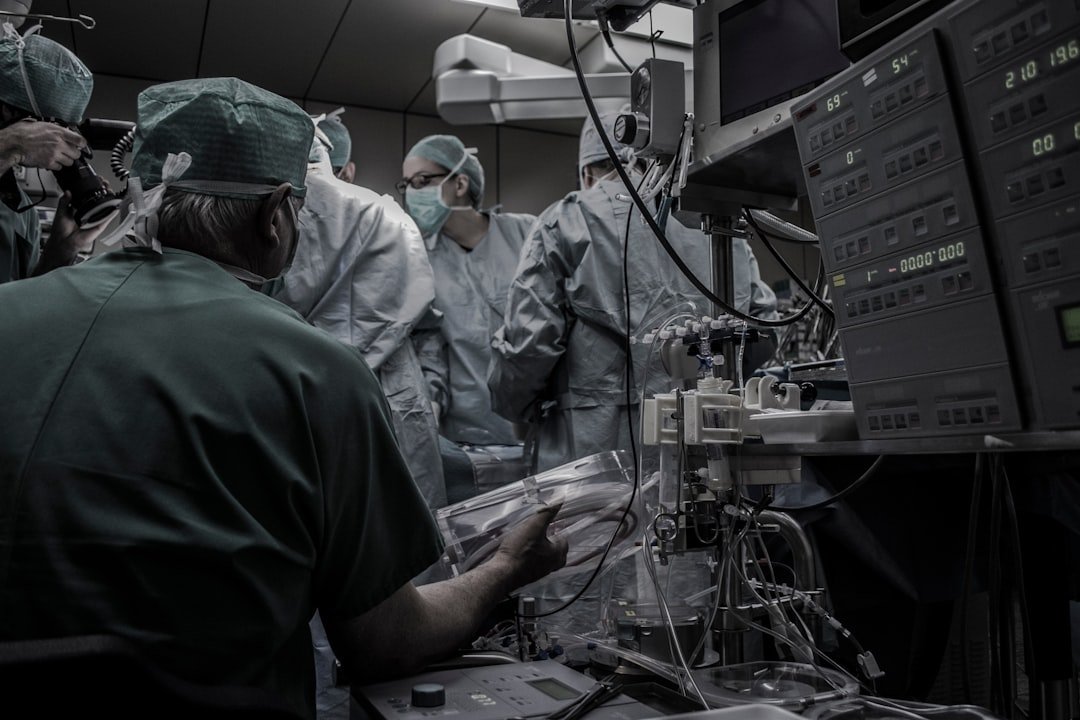
Robotic surgery has transformed the landscape of modern medicine, offering a blend of precision, control, and minimally invasive techniques that were previously unimaginable. Over the past few decades, advancements in robotic technology have significantly enhanced surgical capabilities, allowing for more complex procedures to be performed with greater accuracy. This evolution not only benefits surgeons but also improves patient outcomes, making surgeries safer and recovery times shorter. As we delve into the various aspects of robotic surgery, it becomes clear that this technology is not just a passing trend; it is reshaping how we approach surgical interventions across multiple disciplines.
The integration of robotics into surgical practice has led to a paradigm shift in how procedures are conducted. Surgeons now have access to sophisticated tools that enhance their dexterity and visualisation during operations. This article will explore the multifaceted advancements in robotic surgery, highlighting its precision, impact on recovery times, and its role in various medical fields such as cardiovascular, orthopaedic, neurosurgery, gynaecology, and urology. We will also look ahead to the future of robotic surgery and the training required to ensure these technologies are used safely and effectively.
Precision in Robotic Surgery: How Technology is Improving Accuracy
One of the most significant advantages of robotic surgery is its unparalleled precision. Robotic systems, such as the da Vinci Surgical System, utilise advanced imaging and instrumentation that allow surgeons to perform intricate movements with a level of accuracy that is difficult to achieve with traditional methods. The robotic arms can replicate the natural motion of a surgeon’s hand but with enhanced stability and reduced tremor. This means that even the most delicate tissues can be manipulated with care, minimising damage to surrounding areas.
Moreover, the 3D high-definition visualisation provided by robotic systems offers surgeons a clearer view of the surgical site. This enhanced perspective allows for better decision-making during procedures, as surgeons can see fine details that may be missed with standard laparoscopic techniques. The combination of improved visualisation and precise instrumentation leads to more successful outcomes and fewer complications, making robotic surgery an attractive option for both patients and healthcare providers.
Faster Recovery Times with Robotic Surgery: The Impact on Patient Outcomes
One of the most compelling benefits of robotic surgery is the reduction in recovery times for patients. Traditional open surgeries often require longer hospital stays and more extensive rehabilitation due to larger incisions and greater trauma to the body. In contrast, robotic procedures are typically minimally invasive, involving smaller incisions that result in less pain and quicker healing. Patients often find themselves back on their feet much sooner than they would after conventional surgery.
Studies have shown that patients undergoing robotic-assisted surgeries experience shorter hospital stays and faster return to normal activities. For instance, in procedures like prostatectomies or hysterectomies, patients can often go home within a day or two post-surgery, compared to several days for traditional methods. This not only enhances patient satisfaction but also reduces healthcare costs associated with prolonged hospitalisation. The quicker recovery times associated with robotic surgery are a significant factor in its growing popularity among both patients and surgeons.
The Role of Robotic Surgery in Cardiovascular Procedures
Robotic surgery has made notable strides in the field of cardiovascular medicine, where precision is paramount. Procedures such as coronary artery bypass grafting (CABG) and valve repairs have benefited from robotic assistance, allowing surgeons to navigate complex anatomical structures with greater ease. The ability to perform these surgeries through small incisions reduces trauma to the chest wall and leads to quicker recovery times for patients.
In addition to improving surgical outcomes, robotic systems in cardiovascular procedures enhance the surgeon’s ability to perform intricate tasks with minimal invasiveness. For example, robotic-assisted mitral valve repair allows for precise suturing and manipulation of heart tissues without the need for large incisions. This not only reduces the risk of complications but also improves overall patient satisfaction as they experience less pain and scarring.
Advancements in Robotic Surgery for Orthopaedic Procedures
| Specialty | Precision Improvement | Recovery Time Reduction | Surgical Outcome Enhancement |
|---|---|---|---|
| Cardiology | Increased accuracy in delicate procedures | Shortened hospital stays | Lower risk of complications |
| Urology | Precise removal of cancerous tissue | Quicker return to normal activities | Improved urinary function |
| Neurosurgery | Enhanced targeting of brain tumours | Faster recovery from brain surgery | Reduced risk of nerve damage |
Orthopaedic surgery has also seen significant advancements through the integration of robotic technology. Procedures such as knee and hip replacements have been revolutionised by robotic-assisted systems that provide enhanced precision in implant placement. These systems use pre-operative imaging to create a detailed map of the patient’s anatomy, allowing surgeons to tailor their approach based on individual needs.
The accuracy offered by robotic systems leads to better alignment of implants, which is crucial for long-term success in joint replacement surgeries. Studies indicate that patients who undergo robotic-assisted orthopaedic procedures often experience improved function and reduced pain post-surgery. Additionally, the minimally invasive nature of these techniques contributes to faster recovery times, enabling patients to return to their daily activities sooner than with traditional methods.
Robotic Surgery in Neurosurgery: Enhancing Precision and Safety
Neurosurgery is another field where robotic technology has made significant contributions. The complexity of brain and spinal surgeries demands an extraordinary level of precision, which robotic systems can provide. Surgeons can utilise robotics for tasks such as tumour resections or spinal fusions, where even the slightest error can have serious consequences.
Robotic systems enhance safety by allowing for meticulous navigation through delicate neural structures. For instance, during a spinal surgery, a robotic arm can assist in placing screws with pinpoint accuracy, reducing the risk of damaging surrounding nerves or tissues. Furthermore, the ability to perform these procedures with minimal invasiveness leads to less postoperative pain and quicker recovery times for patients.
Gynecological Surgery: How Robotics is Revolutionising the Field
In gynaecology, robotic surgery has transformed how procedures are performed, particularly in cases such as hysterectomies and myomectomies. The precision offered by robotic systems allows for more effective removal of fibroids or other abnormalities while preserving surrounding healthy tissue. This is particularly important for women who wish to maintain their reproductive options.
Robotic-assisted gynaecological surgeries also result in less postoperative pain and shorter recovery periods compared to traditional open surgeries. Patients often report less scarring and a quicker return to normal activities, which enhances their overall experience. As more gynaecologists adopt robotic techniques, it is likely that we will see continued improvements in patient outcomes and satisfaction.
Robotic Surgery in Urology: Improving Outcomes for Patients
Urology has embraced robotic surgery with open arms, particularly for procedures like prostatectomies and kidney surgeries. The da Vinci Surgical System has become a standard tool in many urological practices due to its ability to perform complex tasks with high precision. For prostate cancer patients, robotic-assisted surgery offers a minimally invasive option that can lead to better functional outcomes and reduced side effects.
The benefits extend beyond just surgical precision; patients undergoing robotic urological procedures often experience shorter hospital stays and quicker recoveries. This is particularly important for those facing cancer treatments, as a faster return to normal life can significantly impact their overall well-being during a challenging time.
The Future of Robotic Surgery: Emerging Technologies and Innovations
As technology continues to evolve, so too does the field of robotic surgery. Emerging innovations such as artificial intelligence (AI) integration are set to further enhance surgical capabilities. AI can assist surgeons by providing real-time data analysis during procedures, helping them make informed decisions based on patient-specific factors.
Additionally, advancements in haptic feedback technology may allow surgeons to feel the tissues they are operating on through robotic instruments, enhancing their tactile sense during minimally invasive procedures. These innovations promise not only to improve surgical outcomes but also to expand the range of procedures that can be performed robotically.
Training and Education in Robotic Surgery: Ensuring Safe and Effective Practices
With the rapid adoption of robotic surgery comes the need for comprehensive training programs for surgeons. Mastering robotic techniques requires a different skill set compared to traditional surgery; therefore, educational institutions and hospitals are developing specialised training modules. These programs often include simulation-based training that allows surgeons to practice their skills in a controlled environment before performing on actual patients.
Ensuring that surgeons are well-trained in robotic techniques is crucial for maintaining patient safety and achieving optimal outcomes. As more healthcare facilities invest in robotic systems, ongoing education will be essential to keep pace with technological advancements and ensure that best practices are followed.
The Ongoing Impact of Robotic Surgery Advancements
The advancements in robotic surgery have undeniably changed the face of modern medicine, offering improved precision, faster recovery times, and enhanced patient outcomes across various specialties. As we continue to explore new technologies and refine existing techniques, it is clear that robotic surgery will play an increasingly vital role in healthcare.
The future holds exciting possibilities as innovations like AI integration and haptic feedback become more prevalent in surgical practice. However, alongside these advancements comes the responsibility of ensuring that surgeons are adequately trained to use these technologies safely and effectively. As we move forward, it is essential to embrace these changes while prioritising patient safety and care quality—ultimately leading us towards a new era of surgical excellence.