








Dentists are using AI to show you what your smile could look like before any treatment begins. It’s a smart way to get a preview of cosmetic work, fitting new implants, or even just straightening your teeth, making the whole process more predictable and collaborative.
Imagine sitting in the dentist’s chair and the dentist shows you a digital rendering of your teeth, not as they are now, but as they could be after proposed treatments. This isn’t science fiction anymore. Artificial intelligence is making this a reality, transforming how dental practices approach various treatments, especially those focused on aesthetics and complex reconstructions.
AI in this context typically involves sophisticated software that can analyze 3D scans of your teeth and mouth. This data is then used to create incredibly detailed digital models. These models are the foundation for simulations, allowing dentists and patients to visualize the potential outcome of different treatment options. It’s about turning abstract possibilities into tangible previews.
From X-rays to Digital Blueprints
The journey to AI-powered simulations begins with detailed data capture. Traditional dental records, like X-rays, are now being augmented and often replaced by more advanced imaging techniques.
Intraoral Scanners: Capturing Precision
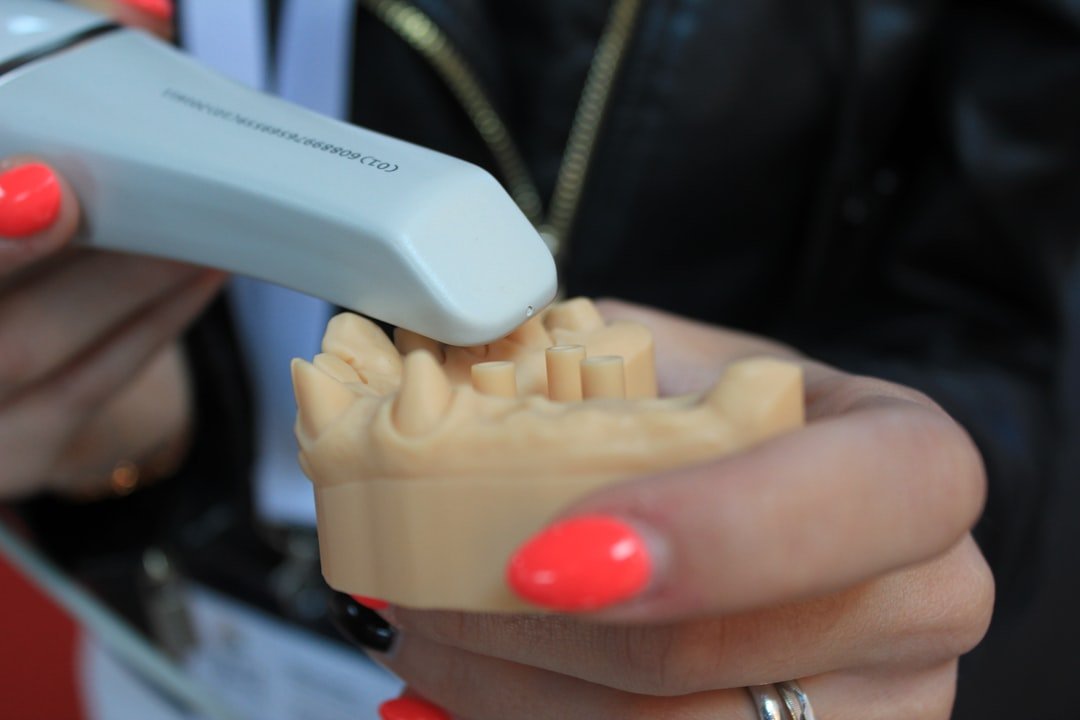
Instead of messy alginate impressions, dentists are increasingly using intraoral scanners. These devices take thousands of rapid images to create a precise, three-dimensional digital model of your teeth and gums. This level of detail is crucial for AI algorithms to work effectively. The scans are quick, comfortable for the patient, and generate a digital file that can be immediately integrated into the software.
Cone Beam Computed Tomography (CBCT): Seeing Beyond the Surface
For more complex cases, or when understanding bone structure is vital, CBCT scans are used. These provide detailed 3D images of teeth, bone, soft tissues, and nerves. AI can then process this rich data to understand the underlying structures, which is particularly important for implant planning and other reconstructive procedures.
AI’s Role in Simulating Treatment Outcomes
Once the digital data is in hand, AI takes over. It’s not about the AI deciding on the treatment, but rather about its ability to model the effects of various interventions with remarkable accuracy. The dentist still provides the expertise and makes the final decisions, but AI significantly enhances their ability to communicate and plan.
Predicting Tooth Movement for Orthodontics
For orthodontic treatments, like braces or aligners, AI plays a significant role in predicting how teeth will move. Software can simulate the forces applied by different types of orthodontic appliances and forecast the trajectory of each tooth over time.
Simulating Aligners: A Step-by-Step Visualization
With clear aligners becoming more popular, AI is instrumental in designing the series of trays. The software can plan precise tooth movements for each stage, and dentists can review and fine-tune these movements. Patients can then see a visual progression of their smile straightening, making the commitment to wearing the aligners easier.
Understanding Root Movement and Stability
Beyond just the crown of the tooth, AI can help predict how roots will move and whether the placement is stable within the bone. This is a critical aspect for successful long-term orthodontic outcomes, preventing issues like root resorption.
Visualizing the Impact of Restorative Work
When it comes to fillings, crowns, or even veneers, AI can predict how these changes will aesthetically affect your smile. It’s about more than just function; it’s about how the restoration will look and blend with your natural teeth.
Designing Tooth-Shaped Restorations
AI algorithms can be trained on vast datasets of natural teeth, allowing them to suggest ideal shapes, sizes, and proportions for restorations. This helps dentists create more lifelike and aesthetically pleasing results.
Predicting Occlusion and Bite Function
Aesthetics are closely linked to function. AI can simulate how new restorations will interact with your opposing teeth, helping to ensure a harmonious bite. This reduces the risk of future problems like wear on restorations or jaw joint discomfort.
Smile Design: Crafting Your Ideal Smile with AI
Smile design is where AI truly shines for cosmetic dentistry. It’s a highly personalized process, and AI provides a powerful tool for dentists to collaborate with patients and achieve desired aesthetic goals.
The Collaborative Process of Smile Design
The core of AI-powered smile design is the partnership between the dentist’s expertise and the patient’s vision. AI facilitates this by making the abstract concept of an “ideal smile” more concrete.
Initial Consultation and Patient Input
During an initial consultation, the dentist discusses the patient’s goals. Do they want whiter teeth? Are they concerned about gaps? Do they feel their teeth are too short or too long? This input is crucial for guiding the AI.
Digital Smile Analysis: Measuring and Mapping
The intraoral scans and facial photographs are analyzed by AI. This analysis considers factors like facial symmetry, lip line, existing tooth proportions, and the patient’s perceived ideal smile characteristics.
AI-Assisted Aesthetic Proportions
AI can analyze existing smiles and compare them to established aesthetic principles. It can identify deviations and suggest ideal proportions for teeth, considering harmony with the face.
Golden Ratio and Facial Aesthetics
While not the sole determinant, AI can integrate concepts like the golden ratio to suggest tooth dimensions and spacing that often align with perceived beauty and natural aesthetics. The AI can overlay these ideal proportions onto the patient’s existing smile, highlighting areas for potential improvement.
Simulating Different Tooth Shapes and Sizes
Based on the patient’s preferences and the AI’s analysis, various tooth shapes, sizes, and arrangements can be digitally simulated. This allows for experimentation with different looks without any irreversible clinical steps.
Visualizing Veneers and Crowns
For patients considering veneers or crowns, AI can create highly realistic previews of how these restorations would alter the size, shape, and color of their teeth. Dentists can then iterate on these designs until the patient is happy.
Addressing Tooth Wear and Discoloration
AI can simulate restorations that correct tooth wear, chips, or discoloration, showing how these issues can be resolved and what the resulting smile would look like.
Dental Implant Planning: Precision Through Simulation
For dental implants, AI isn’t just about aesthetics; it’s about maximizing success rates and minimizing risks. Simulating the placement of implants allows for meticulous planning, ensuring optimal stability and function.
Analyzing Bone Density and Anatomy
The success of a dental implant hinges on sufficient healthy bone. CBCT scans, processed by AI, provide detailed insights into bone density, volume, and vital anatomical structures like nerves and sinuses.
Identifying Optimal Implant Placement Sites
AI can analyze the 3D bone data to identify the ideal locations for implant placement. It can pinpoint areas with sufficient bone width and height, avoiding critical nerves and sinuses.
Avoiding Vital Structures
The software can highlight proximity to the mandibular nerve, maxillary sinus, and other anatomical landmarks, ensuring the planned implant surgery is safe and minimizes the risk of accidental damage.
Predicting Implant Stability and Osseointegration
By considering bone quality and the biomechanical forces on the implant, AI can help predict the likelihood of successful osseointegration – the process by which the bone fuses with the implant.
Virtual Surgical Guides
Based on the meticulously planned implant placement, AI can aid in the creation of highly accurate surgical guides. These guides are often 3D-printed and fit over the patient’s teeth or bone during surgery.
Enhancing Surgical Accuracy
The guides act as a template, directing the drill to the precise location, angle, and depth determined during the AI-driven planning phase. This significantly reduces the guesswork during surgery.
Minimizing Surgical Time
With pre-operative planning and surgical guides, the actual surgical procedure can often be shorter and more efficient, leading to less patient discomfort and faster recovery.
Enhancing Patient Communication and Engagement
One of the most significant benefits of AI in dental treatment simulations is its ability to improve communication between the dentist and the patient. When patients can see and understand the proposed changes, they become more active participants in their own care.
Bridging the Gap Between Professional and Patient Understanding
Dental procedures can be complex. Visualizing the outcome before any work begins makes it much easier for patients to grasp what will happen and why certain treatments are recommended.
Building Trust Through Transparency
Showing a patient a realistic preview of their future smile or the successful outcome of a complex procedure builds immense trust. It demonstrates that the dentist has a clear plan and is invested in achieving the patient’s desired results.
Discussing Alternatives Visually
Not only can AI simulate the “ideal” outcome, but it can also simulate the results of different treatment options. This allows for a more informed discussion about the pros and cons of each approach. For instance, seeing the projected outcome of a filling versus a veneer can help a patient make a decision based on both aesthetics and cost.
Empowering Patients with Information
When patients can see the potential impact of treatments, they are better equipped to make informed decisions. This empowerment leads to higher patient satisfaction and a greater sense of ownership over their oral health journey.
Reducing Treatment Anxiety
The unknown can be a source of anxiety. By providing a clear visual road map, AI simulations can significantly reduce pre-treatment jitters. Patients know what to expect, which can be incredibly reassuring.
Understanding the “Before and After” Before “After”
Patients are no longer relying solely on their dentist’s description of a future outcome. They can see it, touch it digitally, and even make minor adjustments to the simulation to better align with their expectations, before any clinical work begins.
The Future of AI in Dental Treatment Planning
| Practice | AI Usage | Benefits |
|---|---|---|
| Dental Clinic A | AI for treatment simulations and smile design | Improved accuracy in treatment planning, enhanced patient communication |
| Dental Office B | AI-powered smile design software | Customized smile designs, better patient satisfaction |
| Dental Center C | AI algorithms for treatment simulations | Efficient treatment planning, reduced errors |
As AI technology continues to evolve, its applications in dentistry are expected to expand. The current capabilities in simulation and design are just the beginning of a more integrated and intelligent approach to oral healthcare.
Predictive Analytics for Long-Term Oral Health
Beyond individual treatment simulations, AI is being explored for its potential in predicting long-term oral health trends for individuals and patient populations.
Early Detection of Oral Diseases
AI algorithms are being developed to analyze dental images and patient data for early signs of diseases like oral cancer, periodontal disease, and cavities, potentially at stages where treatment is less invasive and more effective.
Analyzing Micro-Changes Over Time
By comparing past and present scans, AI could identify subtle changes in bone density or tissue health that might indicate an emerging problem, allowing for proactive intervention.
Personalized Treatment Protocols
The ultimate goal is to move towards highly personalized treatment plans, where AI assists in tailoring every aspect of care to an individual’s unique needs and genetic predispositions.
Optimizing Material Selection
AI could potentially analyze factors like a patient’s biomechanics, dietary habits, and saliva composition to recommend specific dental materials that offer the best longevity and biocompatibility.
Adapting Treatment Based on Real-Time Feedback
Future AI systems might integrate real-time data from wearables or dental devices to adjust treatment plans or prosthetics as needed, ensuring ongoing optimal function and comfort.