








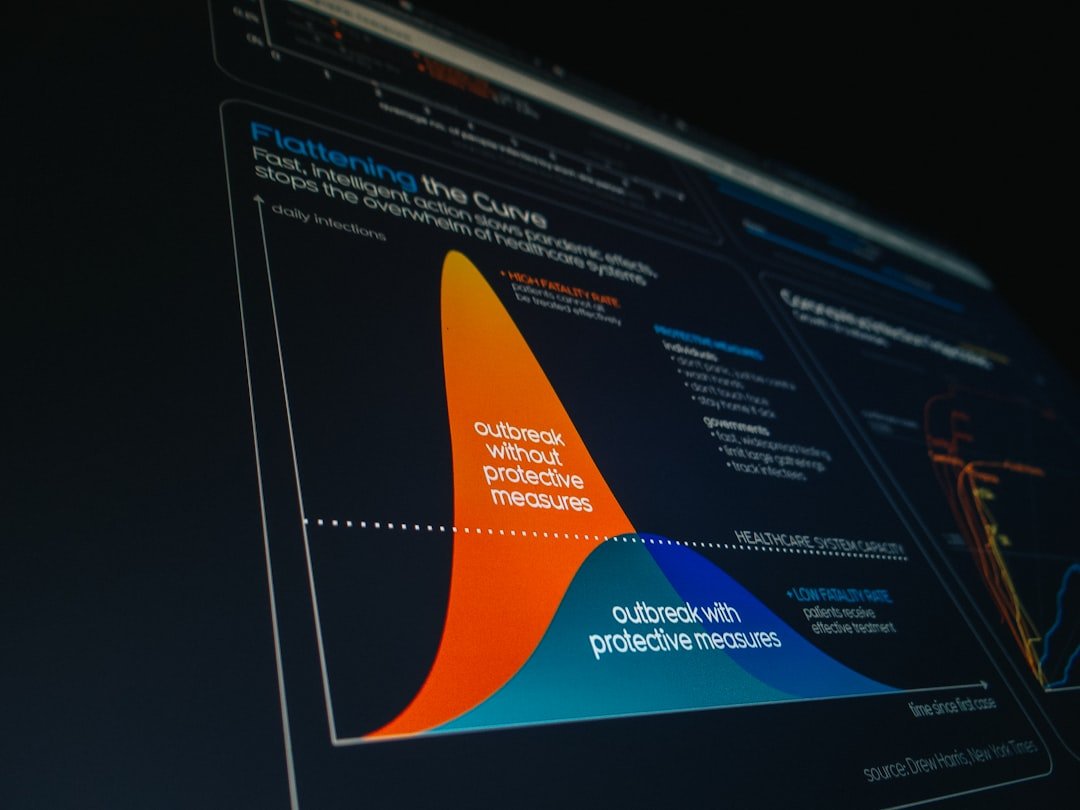
Predictive analytics, powered by AI, offers some real benefits for hospitals looking to fine-tune their operations and get a better handle on capacity. Simply put, it helps hospitals anticipate what’s coming, allowing them to make more informed decisions about everything from staffing levels to bed availability, before problems even arise. This proactive approach can lead to smoother patient flow, less stress for staff, and ultimately, better patient care.
Predictive analytics isn’t a silver bullet, but it’s a powerful tool based on some pretty logical principles. It’s about using historical data, coupled with statistical algorithms and machine learning techniques, to forecast future events. Think of it like looking at past weather patterns and current conditions to predict tomorrow’s forecast – but for hospital activity.
How it Differs from Traditional Reporting
Traditional reporting tells you what has happened. It’s a rearview mirror. You get reports on daily admissions, wait times from last month, or how many surgeries were performed last quarter. This information is certainly valuable for understanding trends and auditing performance.
Predictive analytics, on the other hand, is like a forward-looking sonar. It takes all that historical data – patient demographics, seasonal illness trends, staffing levels, even local community events – and crunches it to estimate what will happen. It’s moving beyond simply knowing current bed occupancy to understanding the probability of reaching critical occupancy levels next week.
The Role of AI and Machine Learning
This is where AI and machine learning step in. They’re the engines that make predictive analytics work effectively. Simple statistical models might tell you that flu season leads to more admissions, but AI algorithms can unpack far more complex relationships in the data.
For instance, machine learning models can identify subtle correlations between specific weather patterns, school holidays, and emergency department (ED) visits for particular age groups. They can learn from continuous streams of data, improving their predictions over time as more information becomes available. This adaptability and ability to handle large, complex datasets is what sets AI-driven predictive analytics apart. It’s not just about crunching numbers faster; it’s about finding patterns that humans, working manually, probably wouldn’t notice.
Key Applications in Hospital Operations
The practical applications of predictive analytics in a hospital environment are numerous and touch almost every department. It’s about making smarter, data-driven decisions where guesswork used to be.
Emergency Department Throughput
The ED is often the bottleneck of a hospital. Overcrowding here spills over into other departments. Predictive analytics can be used to forecast incoming patient volumes, anticipate the severity of cases, and even predict the likelihood of admission versus discharge.
When the ED can anticipate a surge in trauma cases due to a major local event, or an increase in respiratory illnesses based on flu trends, they can adjust staffing, prepare treatment areas, and even divert resources internally before patients start piling up. This helps manage the flow of patients more efficiently, reducing wait times and improving patient experience in what is often a stressful environment.
Inpatient Bed Management and Capacity Planning
Managing inpatient beds is a constant balancing act. Too few beds mean delayed admissions and cancellations; too many empty beds mean wasted resources. Predictive models can forecast patient discharges and admissions with greater accuracy.
By knowing, for example, that certain surgical procedures typically lead to a three-day stay with an 80% probability of discharge on the fourth day, the system can better predict bed availability. This allows for more effective scheduling of elective surgeries, reduces the time patients spend waiting for a bed after an ED visit, and optimizes the allocation of specialized beds like ICU or cardiac care units.
Surgical Suite Scheduling
Operating rooms are expensive to run and represent a significant portion of a hospital’s revenue and resource allocation. Inefficient scheduling can lead to costly downtime or overworked staff. Predictive analytics can analyze historical surgical data, surgeon availability, patient recovery times, and even equipment maintenance schedules.
This allows hospitals to optimize the surgical schedule, grouping similar procedures, minimizing turnover times between cases, and predicting where potential delays might arise. It can identify surgeons who consistently run over their allotted time or procedures that often require extended post-operative care, allowing for adjustments in scheduling to maintain flow.
Staffing and Resource Allocation
Matching the right number of staff with the fluctuating demands of patient care is a perpetual challenge. Understaffing leads to burnout and compromises patient safety; overstaffing is an unnecessary expense.
Predictive analytics can project patient demand across various units and shifts, taking into account factors like seasonal variations, expected admissions, and even staff vacation schedules. This allows nursing managers to create more accurate staffing rosters, ensuring appropriate nurse-patient ratios are maintained, and reducing reliance on expensive agency staff. It can also help allocate other resources, like medical equipment or diagnostic services, where they are most needed.
Building and Implementing Predictive Models
Getting predictive analytics off the ground involves more than just buying a piece of software. It’s a process that requires careful planning, data management, and continuous refinement.
Data Collection and Preparation
This is arguably the most crucial step. Predictive models are only as good as the data they’re fed. Hospitals hold vast amounts of data, but it’s often siloed, unstructured, or inconsistent.
To build effective models, hospitals need to integrate data from various systems: electronic health records (EHRs), patient administration systems, lab results, billing information, and even real-time operational data like bed status. This data needs to be cleaned, normalized, and made consistent. This involves addressing missing values, correcting inaccuracies, and structuring data in a way that algorithms can process. It’s a significant undertaking, often requiring dedicated data engineering teams, but it forms the bedrock of any successful predictive analytics initiative.
Model Selection and Development
There isn’t a one-size-fits-all predictive model. The choice of algorithm depends on the specific problem being addressed and the nature of the data. For forecasting patient volumes, time-series models or regression algorithms might be used. For predicting readmission risks, classification models like logistic regression or support vector machines could be employed. More complex scenarios might leverage deep learning or ensemble methods.
Developing these models involves training them on historical data, validating their accuracy, and fine-tuning parameters. This iterative process requires expertise in data science and machine learning. It’s about finding the balance between model complexity and interpretability, ensuring the predictions are not only accurate but also understandable enough for clinical staff to trust and act upon.
Integration with Existing Systems
A predictive model, no matter how accurate, is of limited use if its insights are not accessible to the people who need them. The predictions need to be seamlessly integrated into existing hospital workflows and IT systems.
This might mean dashboards that display forecasted bed availability, alerts automatically sent to charge nurses about impending ED surges, or adjustments suggested within the surgical scheduling software. The goal is to move from stand-alone models to embedded intelligence that informs daily operational decisions without requiring staff to navigate complex new interfaces. This integration requires robust APIs and a collaborative approach between IT departments, data scientists, and clinical users.
Challenges and Considerations
While the potential benefits are clear, implementing AI for predictive analytics in hospitals isn’t without its hurdles. These challenges need to be acknowledged and addressed for successful adoption.
Data Quality and Silos
As mentioned, data is foundational. Hospitals often struggle with fragmented data across different departments and legacy systems. Data might be incomplete, inconsistent, or formatted differently, making it difficult to consolidate and use effectively for predictive modeling.
Overcoming this requires significant investment in data governance, standardization efforts, and potentially new data warehousing solutions. It’s an ongoing process, not a one-time fix, because data continuously streams into the system.
Model Interpretability and Trust
Many advanced AI models, particularly deep learning networks, can be black boxes. They make accurate predictions, but it can be difficult to understand why they arrived at a particular conclusion. In healthcare, where decisions have life-or-death implications, trust is paramount.
Clinicians need to understand the basis of a prediction to feel confident in acting upon it. This calls for focusing on “explainable AI” (XAI) techniques, which aim to make model decisions more transparent. It also necessitates thorough validation processes and a clear communication strategy to build trust among end-users.
Ethical and Privacy Concerns
Working with patient data naturally brings up significant ethical and privacy concerns. Ensuring compliance with regulations like HIPAA or GDPR is non-negotiable.
Hospitals must implement robust data anonymization and security protocols. There’s also the ethical consideration of potential biases in the data; if historical data reflects existing healthcare disparities, predictive models trained on that data might inadvertently perpetuate them. Regular auditing of models for bias and ensuring equitable outcomes is crucial.
Workforce Adaptation and Training
Implementing new technology always requires changes in workflow and demands new skills from staff. Clinicians and operational managers might need training on how to interpret and act on predictive insights.
There can be a natural resistance to change, especially when technology tries to inform or even dictate operational decisions. Change management strategies, robust user support, and demonstrating tangible benefits to staff are key to successful adoption. It’s important to frame AI as a supportive tool, not a replacement for human judgment.
Moving Forward with Predictive Analytics
| Metrics | Description |
|---|---|
| Bed Occupancy Rate | The percentage of hospital beds that are occupied by patients, which is crucial for capacity planning. |
| Length of Stay | The average duration of a patient’s hospital stay, which impacts bed turnover and resource allocation. |
| Admission Prediction | The ability to forecast the number of admissions based on historical data and external factors. |
| Discharge Prediction | The capability to predict the timing of patient discharges to optimize bed availability. |
| Resource Utilization | An analysis of how hospital resources such as staff, equipment, and facilities are being utilized. |
Adopting predictive analytics in a hospital is a journey, not a destination. It involves continuous learning, adaptation, and improvement.
Starting Small and Scaling Up
Instead of trying to overhaul everything at once, a practical approach is to start with a well-defined pilot project. This might be predicting ED overcrowding for a specific shift or optimizing bed allocation for a single unit.
Successful pilots can demonstrate tangible value, build internal champions, and provide valuable lessons learned. This iterative approach allows hospitals to refine their data infrastructure, model development processes, and integration strategies before scaling up to more complex and broader applications. Learning from early successes, and failures, is far more efficient than attempting a massive, all-encompassing implementation from the outset.
Continuous Monitoring and Improvement
Predictive models are never truly “finished.” Patient populations change, diseases evolve, and operational processes are refined. A model that is accurate today might become less effective six months down the line if not continuously monitored and updated.
Hospitals need frameworks for tracking model performance, identifying when models start to drift or become less accurate, and retraining them with new data. This ensures that the predictions remain reliable and relevant over time. It’s an ongoing cycle of deployment, monitoring, evaluation, and refinement, making sure the initial investment continues to pay dividends.
Collaboration Between Departments
Successful predictive analytics initiatives require strong collaboration across various hospital departments. This includes IT for infrastructure and data management, data scientists for model development, clinicians for domain expertise and validation, and operational managers for implementation and workflow changes.
Breaking down traditional departmental silos is critical. When these teams work together, sharing insights and expertise, the chances of developing and deploying effective, user-friendly predictive solutions increase significantly. It’s about combining technical know-how with clinical and operational reality.
Predictive analytics offers a significant opportunity for hospitals to move beyond reactive management to a more proactive, data-informed approach. It’s about making systems smarter, more efficient, and ultimately, better equipped to serve patients. It’s a tool that, when implemented thoughtfully and realistically, can lead to measurable improvements in hospital operations and patient care.