








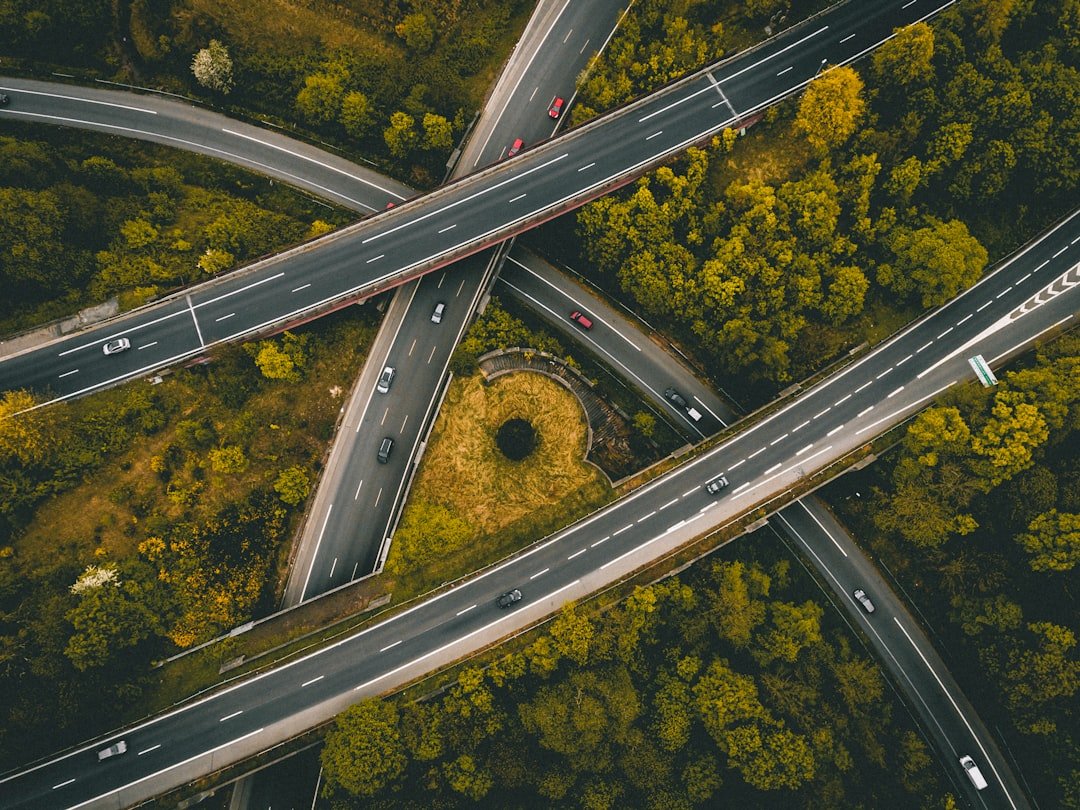
Route optimization is a critical component of logistics, particularly in the context of last-mile delivery. This term refers to the process of determining the most efficient path for delivery vehicles to take when transporting goods from a distribution centre to the final destination. The last mile is often the most complex and costly segment of the delivery process, as it involves navigating urban environments, dealing with traffic congestion, and managing customer expectations. With the rise of e-commerce, the demand for efficient last-mile delivery has surged, making route optimization more important than ever.
In essence, effective route optimization can lead to faster deliveries, reduced costs, and improved customer satisfaction. As businesses strive to meet the growing expectations of consumers for quick and reliable service, they are increasingly turning to advanced technologies to enhance their logistics operations. This is where artificial intelligence (AI) comes into play, offering innovative solutions that can transform how companies approach route planning and execution.
The role of AI in route optimization and last-mile delivery
AI plays a pivotal role in modern route optimization by leveraging vast amounts of data to make informed decisions. Machine learning algorithms can analyse historical delivery patterns, traffic conditions, and even weather forecasts to suggest the best routes for drivers. This data-driven approach allows companies to optimise their delivery processes in ways that were previously unimaginable. By continuously learning from new data, AI systems can adapt and improve over time, ensuring that they remain effective as conditions change.
Moreover, AI can help identify potential issues before they arise. For instance, if a particular route is known to experience heavy traffic at certain times of the day, AI can recommend alternative paths or adjust delivery schedules accordingly. This proactive approach not only saves time but also enhances overall efficiency in last-mile delivery operations. As businesses increasingly adopt AI technologies, they are finding that these tools not only streamline logistics but also provide a competitive edge in a crowded marketplace.
Real-time traffic analysis and prediction
One of the standout features of AI in route optimization is its ability to perform real-time traffic analysis and prediction. Traditional route planning often relies on static maps and historical data, which may not accurately reflect current conditions. In contrast, AI systems can access live traffic data from various sources, including GPS signals, traffic cameras, and even social media updates. This real-time information allows for more accurate predictions about travel times and potential delays.
By integrating real-time traffic analysis into their logistics operations, companies can make informed decisions on-the-fly. For example, if a driver encounters an unexpected road closure or heavy congestion, the AI system can quickly calculate alternative routes that minimise delays. This capability not only improves delivery times but also enhances the overall efficiency of the fleet. As a result, businesses can better meet customer expectations while optimising their resources.
Efficient resource allocation and scheduling
Efficient resource allocation is another area where AI shines in route optimization and last-mile delivery. By analysing various factors such as vehicle capacity, driver availability, and delivery windows, AI can help companies allocate their resources more effectively. This means that deliveries can be scheduled in a way that maximises efficiency while minimising costs.
For instance, AI can determine which drivers are best suited for specific routes based on their past performance and familiarity with the area. Additionally, it can optimise load distribution among vehicles to ensure that each one is operating at its full capacity. This level of precision not only reduces operational costs but also helps companies maintain a high level of service quality. As businesses continue to refine their resource allocation strategies through AI, they are likely to see significant improvements in their last-mile delivery performance.
Dynamic route adjustments and re-routing
Dynamic route adjustments are essential for maintaining efficiency in last-mile delivery operations. Traffic conditions can change rapidly due to accidents, roadworks, or weather events, making it crucial for delivery systems to be adaptable. AI enables dynamic re-routing by continuously monitoring conditions and adjusting routes in real-time based on current data.
For example, if a driver is en route to a customer but encounters an unexpected delay, the AI system can instantly calculate a new route that avoids the obstruction while still aiming to meet the promised delivery window. This flexibility not only helps ensure timely deliveries but also reduces frustration for both drivers and customers. As companies embrace dynamic routing capabilities powered by AI, they are better equipped to handle the unpredictability inherent in last-mile logistics.
Enhanced delivery time estimation
Accurate delivery time estimation is vital for managing customer expectations and ensuring satisfaction. Traditional methods often rely on historical averages or simple calculations that may not account for real-time variables. However, AI can significantly enhance this process by analysing a multitude of factors simultaneously.
By considering elements such as current traffic conditions, weather forecasts, and even historical data on similar deliveries, AI systems can provide more precise estimates for when a package will arrive. This level of accuracy allows businesses to communicate more effectively with customers, reducing uncertainty and enhancing trust in their services. As customers increasingly expect transparency regarding their deliveries, improved time estimation through AI becomes a key differentiator for companies in the competitive e-commerce landscape.
Customer experience and satisfaction
The impact of AI-driven route optimization on customer experience cannot be overstated. In an era where consumers expect fast and reliable service, businesses must find ways to meet these demands while maintaining operational efficiency. By leveraging AI technologies for route planning and execution, companies can significantly enhance their service offerings.
Timely deliveries are just one aspect of customer satisfaction; communication is equally important. With accurate delivery time estimates generated by AI systems, businesses can keep customers informed about their orders’ status in real-time. This transparency fosters trust and builds stronger relationships with customers. Additionally, by minimising delays and optimising routes, companies can ensure that packages arrive in good condition and on time—further enhancing the overall customer experience.
Cost reduction and improved operational efficiency
Cost reduction is a primary goal for any business looking to optimise its operations. In the context of last-mile delivery, AI-driven route optimization offers numerous opportunities for savings. By improving efficiency through better resource allocation, dynamic routing, and accurate time estimation, companies can reduce fuel consumption and labour costs associated with deliveries.
Moreover, minimising delays translates into fewer missed delivery windows and lower penalties associated with late arrivals. As businesses adopt AI technologies for route optimisation, they often find that their operational efficiency improves significantly. This not only leads to cost savings but also allows companies to reinvest those resources into other areas of their operations—ultimately driving growth and innovation.
Environmental impact and sustainability
As concerns about climate change continue to grow, businesses are increasingly focused on sustainability in their operations. Route optimization through AI can play a significant role in reducing the environmental impact of last-mile delivery. By minimising fuel consumption through efficient routing and load optimisation, companies can lower their carbon emissions.
Additionally, AI can help identify opportunities for using electric or hybrid vehicles within fleets, further contributing to sustainability efforts. As consumers become more environmentally conscious, businesses that prioritise eco-friendly practices are likely to gain a competitive advantage. By integrating AI-driven route optimization into their logistics strategies, companies not only improve efficiency but also demonstrate their commitment to sustainability.
Integration with other technologies for seamless operations
For AI-driven route optimization to be truly effective, it must be integrated with other technologies within the logistics ecosystem. This includes systems such as warehouse management software, inventory tracking tools, and customer relationship management platforms. By creating a seamless flow of information between these systems, businesses can enhance their overall operational efficiency.
For instance, integrating AI with inventory management allows companies to better understand stock levels and demand patterns. This information can inform routing decisions by ensuring that deliveries are scheduled based on actual inventory availability rather than assumptions. Furthermore, when combined with customer relationship management tools, businesses can tailor their communications based on real-time data—leading to improved customer interactions and satisfaction.
Future developments and potential challenges in AI-driven route optimization and last-mile delivery
Looking ahead, the future of AI-driven route optimization in last-mile delivery holds great promise but also presents challenges that need addressing. As technology continues to evolve, we can expect even more sophisticated algorithms capable of analysing complex datasets with greater accuracy. Innovations such as autonomous vehicles may also reshape how deliveries are made—potentially reducing reliance on human drivers altogether.
However, these advancements come with challenges related to data privacy and security. As companies collect more data to fuel their AI systems, they must ensure that they protect sensitive information from breaches or misuse. Additionally, there may be regulatory hurdles as governments seek to establish guidelines around the use of autonomous vehicles and AI technologies in logistics.
In conclusion, while the future of AI-driven route optimization in last-mile delivery is bright with potential advancements on the horizon, it will require careful navigation of challenges related to technology integration and data management. By staying ahead of these issues while embracing innovation, businesses can continue to enhance their logistics operations and meet the evolving demands of consumers in an increasingly competitive landscape.
FAQs
What is route optimization in last-mile delivery?
Route optimization in last-mile delivery involves using technology, such as AI, to determine the most efficient routes for delivery drivers to take in order to minimize time, fuel, and costs while maximizing customer satisfaction.
How does AI improve route optimization in last-mile delivery?
AI improves route optimization in last-mile delivery by analyzing large amounts of data, such as traffic patterns, delivery locations, and historical delivery times, to generate the most efficient routes for delivery drivers. This helps to reduce delivery times, fuel consumption, and overall costs.
What are the benefits of using AI for route optimization in last-mile delivery?
The benefits of using AI for route optimization in last-mile delivery include reduced delivery times, lower fuel consumption, decreased operational costs, improved customer satisfaction through on-time deliveries, and the ability to handle a larger volume of deliveries more efficiently.
What are some examples of AI-powered route optimization in last-mile delivery?
Examples of AI-powered route optimization in last-mile delivery include using machine learning algorithms to predict traffic patterns and optimize delivery routes, using real-time data to adjust routes based on changing conditions, and using AI-powered delivery management platforms to streamline the entire delivery process.
What are the challenges of implementing AI for route optimization in last-mile delivery?
Challenges of implementing AI for route optimization in last-mile delivery include the initial cost of implementing AI technology, the need for accurate and up-to-date data for the AI algorithms to work effectively, and the potential resistance from delivery drivers or staff who may be hesitant to adopt new technology.