











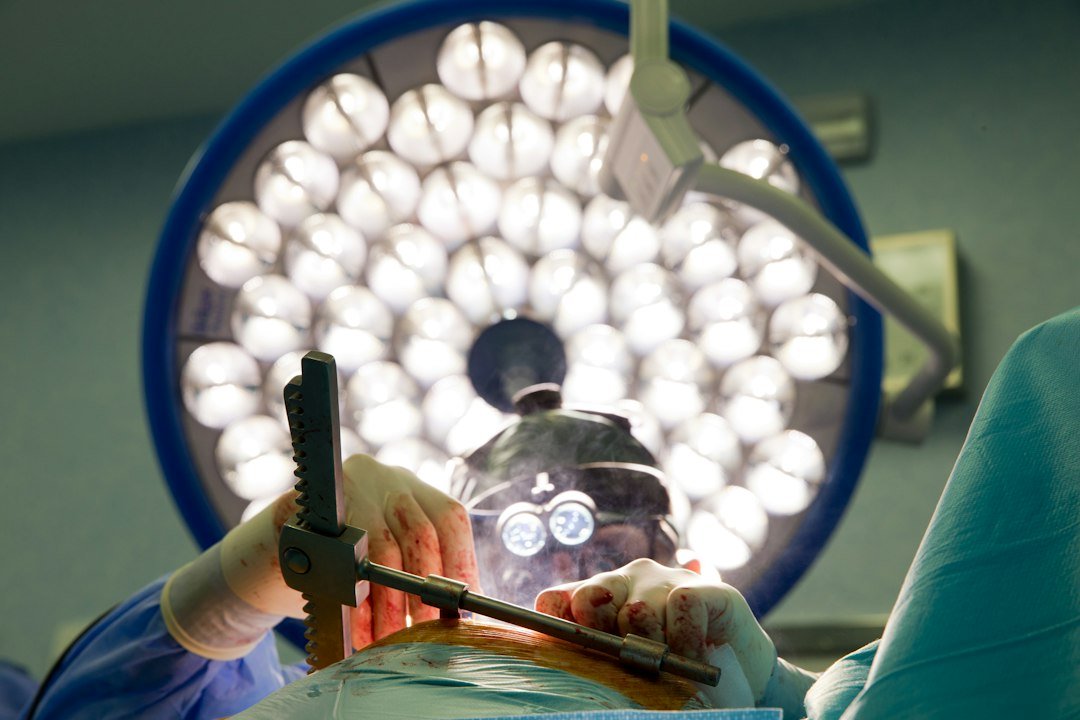
Right, let’s get down to brass tacks about AI in oral surgery. You’re probably wondering if it’s just a bit of tech hype or if it genuinely offers something useful. In a nutshell, AI is increasingly making its mark in oral surgery by helping with everything from more precise diagnosis and treatment planning to better surgical execution and even post-operative care. It’s not about replacing the surgeon, but rather providing tools that can enhance their capabilities and improve patient outcomes. Think of it as a really smart assistant that can process vast amounts of data, spot patterns humans might miss, and help with intricate tasks, ultimately leading to safer and more predictable results for patients.
The AI Toolkit: What’s Actually Being Used?
When we talk about AI in oral surgery, it’s not one single magical piece of technology. Instead, it’s a collection of different tools and approaches, each designed to tackle specific challenges. We’re primarily looking at machine learning algorithms that can learn from data, and then apply that learning to new cases.
Image Analysis and Diagnostics
This is arguably one of the biggest areas where AI is already showing its worth. Oral surgeons rely heavily on various imaging techniques, like X-rays, CBCT (Cone Beam Computed Tomography) scans, and even intraoral photos. Traditionally, interpreting these images is a skill honed over years, but even the most experienced eye can miss subtle details.
Spotting Pathologies Sooner
AI algorithms can be trained on enormous datasets of images – thousands upon thousands of scans from various patients, some with disease, some without. This allows them to become incredibly adept at identifying anomalies that might indicate anything from cysts and tumours to early signs of osteonecrosis. For example, a trained AI could flag a suspicious lesion on a panoramic X-ray with a high degree of accuracy, prompting the surgeon to investigate further. This doesn’t mean the AI makes the diagnosis; it simply highlights areas of concern, acting as a highly sensitive second pair of eyes. The surgeon still makes the final call, but they do so with more comprehensive information.
Enhanced Jawbone Assessment
Planning for dental implants, orthognathic surgery (corrective jaw surgery), or even complex extractions requires a detailed understanding of the jawbone’s structure, density, and nerve pathways. AI can analyse CBCT scans to create highly detailed 3D models of the jaw, highlighting areas of thin bone, potential nerve impingement zones, or areas of reduced bone density that might affect implant stability. This level of detail can be crucial for predicting potential complications and optimising surgical approaches.
Predictive Modelling for Disease Progression
Beyond just identifying existing issues, some AI models are being developed to predict the likely progression of certain conditions. For instance, in periodontitis (gum disease), AI could potentially analyse a patient’s historical X-rays and other clinical data to forecast their risk of further bone loss or tooth mobility, allowing for more proactive intervention. This is still an emerging area but holds significant promise for preventative care within an oral surgery context.
Precision in Treatment Planning
Once a diagnosis is made, the next step is developing a solid treatment plan. This is where AI can really shine in helping surgeons map out the most effective and safest route.
Optimising Implant Placement
For dental implants, the precise angle, depth, and position are critical for long-term success and aesthetic outcomes. AI can take into account the patient’s unique anatomy, bone quality, and even prosthetic considerations to suggest optimal implant placements. It can simulate various scenarios, showing the surgeon the potential stresses on the implant and surrounding bone, or the impact on adjacent teeth and nerves. This allows for a virtual ‘rehearsal’ of the surgery before a single incision is made, reducing the margin for error.
Guided Surgery Protocols
This leads directly into guided surgery. While not purely AI, AI-assisted planning often underpins the creation of surgical guides. These guides, often 3D-printed, fit over the patient’s teeth or bone and have precisely drilled holes to direct the surgeon’s drill to the exact pre-planned location, angle, and depth. AI algorithms can refine the design of these guides, ensuring they account for any potential manufacturing tolerances or patient-specific anatomical variations.
Orthognathic Surgery Planning
Orthognathic surgery is incredibly complex, involving the repositioning of the jawbones to correct severe bite problems or facial deformities. Planning involves detailed measurements, aesthetic considerations, and prediction of soft tissue changes. AI can analyse 3D facial scans and CBCT data to assist in planning precise bone cuts and movements, predicting post-operative facial aesthetics with greater accuracy. This helps both the surgeon and the patient visualise the potential outcomes, aiding in shared decision-making.
Enhancing Surgical Execution
It’s not just about planning; AI is also starting to play a role in the actual surgical procedure itself, making operations more precise and potentially safer.
Real-time Guidance and Navigation
Imagine a surgeon operating with a live, augmented reality overlay. That’s essentially where AI-powered surgical navigation is heading. Using optical tracking systems, AI can correlate the surgeon’s instruments with the pre-operative CT scan in real-time. This means the surgeon can see the exact position of their drill or osteotome relative to critical anatomical structures like nerves, blood vessels, and the maxillary sinus, all displayed on a screen or even through special goggles.
Avoiding Critical Structures
This real-time feedback is invaluable, especially in areas where critical structures are close to the surgical site. For example, during wisdom tooth extraction, navigating around the inferior alveolar nerve is paramount. AI navigation systems can issue warnings if an instrument approaches too close to these vital structures, significantly reducing the risk of nerve damage or other complications.
Maintaining Planned Trajectories
For complex procedures like implant placement or orthognathic surgery, maintaining the exact planned trajectory is crucial. AI can monitor the surgeon’s movements against the pre-planned path, providing feedback if they deviate. This helps ensure that the surgical execution matches the meticulous planning, leading to more predictable and successful outcomes.
Robotic Assistance
While fully autonomous surgical robots are still some way off, robotic systems are already being used in oral surgery, often in a semi-autonomous or assistive role, and powered by AI.
Increased Dexterity and Precision
Robots offer levels of precision and stability that even the steadiest human hand can’t consistently achieve. For extremely delicate tasks, like very fine bone shaping or complex suturing in restricted spaces, robotic arms can be invaluable. AI algorithms control these arms, allowing for micron-level adjustments and movements that are beyond human capability.
Minimally Invasive Approaches
Robotic systems can facilitate minimally invasive surgery by allowing surgeons to operate through smaller incisions or in difficult-to-reach areas. Their smaller, more articulate instruments can navigate tight spaces with greater ease, potentially leading to less tissue trauma, reduced post-operative pain, and faster recovery times for patients.
Training and Simulation
AI also plays a role in training surgeons on these robotic systems. Virtual reality (VR) simulators, powered by AI, can replicate surgical scenarios with incredible realism, allowing surgeons to practice complex procedures repeatedly without any risk to patients. The AI can provide immediate feedback on performance, identifying areas for improvement and tracking progress.
Post-Operative Care and Patient Monitoring
The role of AI doesn’t stop once the surgery is over. It can continue to assist in the crucial post-operative phase, helping to monitor patient recovery and identify potential issues early.
Predicting Healing Outcomes
By analysing pre-operative patient data, surgical details, and even early post-operative indicators, AI models can potentially predict how a patient is likely to heal. For instance, they might identify patients at higher risk of infection, delayed bone healing, or other complications. This allows the oral surgery team to provide more targeted follow-up care and implement preventative measures.
Early Detection of Complications
AI could be integrated into wearable sensors or smart devices that monitor a patient’s vital signs, activity levels, or even wound healing progress at home. Deviations from expected patterns could trigger alerts, prompting an earlier intervention by the surgical team. Imagine an AI analysing a photo of a surgical site sent by a patient, flagging early signs of inflammation or infection that might not be obvious to the untrained eye.
Personalised Recovery Protocols
Every patient heals differently. AI can help tailor post-operative instructions and recovery plans based on an individual’s unique physiological responses and risk factors. This could involve adjusting medication dosages, recommending specific dietary advice, or suggesting modified activity levels, all aimed at optimising recovery and minimising setbacks.
Long-Term Follow-up Monitoring
For patients with dental implants or other long-term surgical interventions, AI could assist in monitoring the longevity and health of the restoration. By comparing periodic X-rays or scans over time, AI could detect subtle changes in bone levels around implants, or early signs of peri-implantitis, long before they become clinically apparent or problematic for the patient. This proactive monitoring could significantly improve the long-term success rates of oral surgical treatments.
The Human-AI Collaboration: Ethical Considerations and Future Outlook
While the benefits of AI in oral surgery are significant, it’s crucial to acknowledge that it’s not a silver bullet. The future is about effective human-AI collaboration, and that brings with it a set of ethical considerations and practical challenges.
The Role of the Surgeon Remains Paramount
It’s vital to reiterate that AI is a tool, not a replacement for the oral surgeon. The surgeon’s expertise, clinical judgment, empathy, and ability to handle unexpected intraoperative situations are irreplaceable. AI provides enhanced data, analysis, and precision, but the ultimate decision-making and responsibility lie with the human. The goal is to augment human capabilities, allowing surgeons to perform with greater confidence and deliver better care.
Addressing Bias in AI
A significant concern with any AI system is bias. If the data used to train an AI model is biased – for example, primarily reflecting one demographic or specific set of conditions – then the AI’s outputs may also be biased. This could lead to inequities in diagnosis or treatment recommendations. Ensuring diverse and representative datasets for training AI in oral surgery is a critical ethical challenge that needs continuous attention.
Data Privacy and Security
Oral health data is highly sensitive. The extensive use of AI relies on collecting, storing, and processing vast amounts of patient data, including imaging, clinical notes, and treatment outcomes. Ensuring robust data privacy measures and stringent cybersecurity protocols is paramount to protect patient confidentiality and maintain trust. Compliance with regulations like GDPR in the UK is non-negotiable.
Legal and Accountability Frameworks
When an AI assists in a diagnosis or a surgical procedure, who is accountable if something goes wrong? This is a complex legal and ethical question that the medical community and legal systems are actively grappling with. Clear frameworks will be needed to define responsibilities when AI tools are integrated into clinical practice.
The Future Landscape
The pace of AI development is incredibly fast. In oral surgery, we can anticipate even more sophisticated AI tools emerging.
Hyper-Personalised Treatment
The trend towards truly personalised medicine will be supercharged by AI. By integrating an even broader range of patient data – genetic information, lifestyle factors, environmental exposures – AI could develop highly individualised treatment plans that go beyond what’s currently possible.
Advanced Predictive Analytics
Expect to see AI move beyond just identifying existing conditions to becoming much more adept at predicting future health states and disease risks with greater accuracy. This could revolutionise preventative oral healthcare.
Enhanced Robotics and Automation
While fully autonomous surgery is still distant, robotic systems will become even more sophisticated, performing increasingly complex tasks under direct human supervision. Imagine robots assisting with intricate reconstructive procedures with unparalleled precision.
Continuous Learning Systems
Future AI systems in oral surgery will likely be designed to learn continuously from new patient data and outcomes, becoming smarter and more effective over time. This iterative improvement will further refine their diagnostic and planning capabilities.
In conclusion, AI is not a fleeting trend in oral surgery. It’s a powerful set of tools that are fundamentally changing how oral surgeons diagnose, plan, and execute treatments, as well as how they monitor patient recovery. The shift is towards a more data-driven, precise, and personalised approach to oral healthcare. While challenges remain, particularly around ethics and implementation, the trajectory is clear: AI is set to significantly enhance the capabilities of oral surgeons, ultimately leading to improved patient outcomes and a more efficient healthcare system. It’s an exciting time, and the collaborative journey between human expertise and artificial intelligence is only just beginning.