








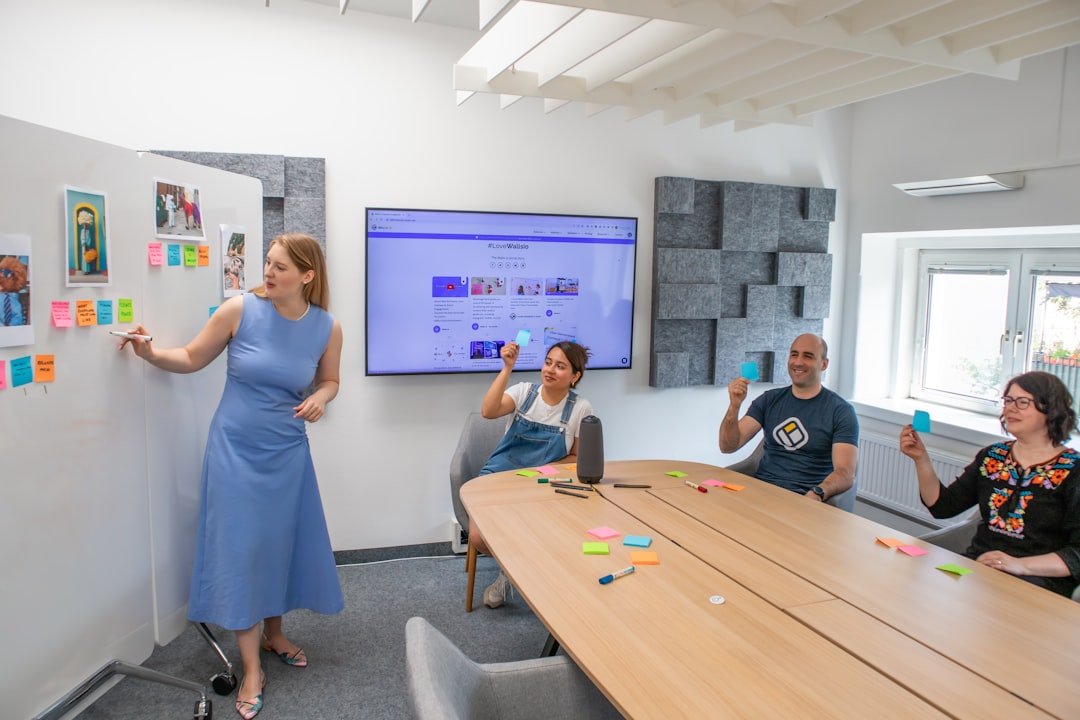
Artificial Intelligence (AI) is increasingly becoming a game-changer in the realm of employee engagement and retention. By harnessing the power of data and machine learning, organisations can gain insights into their workforce that were previously unattainable. This technology not only helps in understanding employee sentiments but also tailors experiences to meet individual needs, ultimately fostering a more engaged and committed workforce.
In today’s competitive job market, retaining talent is as crucial as attracting it. Companies are recognising that traditional methods of engagement are often insufficient. AI offers innovative solutions that can enhance employee satisfaction and loyalty, making it a vital tool for modern HR practices.
Understanding the Challenges of Employee Engagement and Retention
Employee engagement and retention are complex issues that many organisations grapple with. One of the primary challenges is the diverse nature of the workforce. Employees come from various backgrounds, each with unique motivations and expectations. This diversity can make it difficult for companies to implement a one-size-fits-all approach to engagement.
Moreover, the rapid pace of change in the workplace, driven by technology and shifting employee expectations, adds another layer of complexity. Many employees now seek more than just a paycheck; they desire meaningful work, opportunities for growth, and a supportive culture. Failing to address these needs can lead to disengagement and high turnover rates, which can be costly for businesses.
How AI Can Help Analyse Employee Sentiment and Feedback
AI can play a pivotal role in analysing employee sentiment and feedback, providing organisations with valuable insights into their workforce’s mood and engagement levels. By employing natural language processing (NLP) techniques, AI can sift through vast amounts of data from employee surveys, social media interactions, and internal communications to identify trends and sentiments.
This analysis allows HR teams to pinpoint areas of concern before they escalate into larger issues. For instance, if feedback indicates dissatisfaction with management styles or workplace culture, organisations can take proactive measures to address these concerns. By understanding employee sentiment in real-time, companies can foster a more responsive and adaptive work environment.
Implementing AI-Driven Personalised Learning and Development Plans
Personalised learning and development plans are essential for nurturing talent and enhancing employee engagement. AI can facilitate this by analysing individual performance data, career aspirations, and learning preferences to create tailored development programmes.
For example, an AI system might identify that an employee excels in project management but lacks skills in data analysis. The system can then recommend specific training modules or mentorship opportunities that align with the employee’s career goals. This personalised approach not only boosts employee satisfaction but also equips them with the skills needed for future roles within the organisation.
Using AI to Predict and Prevent Employee Turnover
Predicting employee turnover is a critical aspect of retention strategies, and AI can significantly enhance this capability. By analysing historical data on employee behaviour, performance metrics, and engagement levels, AI algorithms can identify patterns that may indicate a risk of turnover.
For instance, if an employee’s engagement scores begin to decline or if they frequently miss deadlines, the AI system can flag these changes for HR teams to investigate further. This proactive approach allows organisations to intervene early, whether through targeted support or career development opportunities, ultimately reducing turnover rates.
Leveraging AI for Real-Time Employee Feedback and Recognition
Real-time feedback is essential for maintaining high levels of employee engagement. Traditional annual reviews often fail to capture the ongoing dynamics of the workplace. AI-driven platforms can facilitate continuous feedback loops, allowing employees to receive recognition and constructive criticism in real time.
These platforms can analyse feedback trends and highlight achievements, ensuring that employees feel valued for their contributions. For example, an AI system might automatically notify managers when an employee achieves a significant milestone or receives positive peer feedback. This immediate recognition fosters a culture of appreciation and motivates employees to perform at their best.
The Role of AI in Creating Inclusive and Diverse Workplaces
Diversity and inclusion are critical components of a thriving workplace culture. AI can assist organisations in identifying biases in hiring practices and promoting inclusivity throughout the employee lifecycle. By analysing recruitment data, AI can highlight patterns that may indicate discrimination or bias against certain groups.
Additionally, AI tools can help create more inclusive job descriptions by suggesting language that appeals to a broader audience. This ensures that organisations attract diverse talent pools while fostering an environment where all employees feel valued and included.
Harnessing AI for Tailored Employee Wellness and Wellbeing Programs
Employee wellness is increasingly recognised as a key factor in engagement and retention. AI can help organisations develop tailored wellness programmes that address the specific needs of their workforce. By analysing health data, employee feedback, and participation rates in wellness initiatives, AI can identify trends and suggest improvements.
For instance, if data shows that employees are struggling with stress management, an organisation might implement targeted mindfulness workshops or provide access to mental health resources. By personalising wellness initiatives based on employee needs, companies can enhance overall wellbeing and create a more supportive work environment.
Using AI to Streamline and Improve the Recruitment Process
The recruitment process is often time-consuming and resource-intensive. AI can streamline this process by automating repetitive tasks such as resume screening and initial candidate assessments. By using machine learning algorithms, AI systems can quickly identify candidates who meet specific criteria, allowing HR teams to focus on more strategic aspects of recruitment.
Moreover, AI can enhance candidate experience by providing timely updates throughout the hiring process. This transparency not only improves candidate satisfaction but also reflects positively on the organisation’s brand. A smoother recruitment process ultimately leads to better hires and reduced time-to-fill positions.
Addressing Concerns and Ethical Considerations of AI in Employee Engagement
While the benefits of AI in employee engagement are significant, it’s essential to address potential concerns and ethical considerations. One major issue is data privacy; employees may feel uneasy about how their data is being used or monitored. Organisations must be transparent about their data practices and ensure compliance with regulations such as GDPR.
Additionally, there’s the risk of algorithmic bias if AI systems are not carefully designed and monitored. It’s crucial for organisations to regularly audit their AI tools to ensure they promote fairness and inclusivity rather than perpetuating existing biases.
Case Studies and Success Stories of AI Implementation in Employee Engagement and Retention
Several organisations have successfully implemented AI-driven strategies to enhance employee engagement and retention. For instance, a leading tech company utilised AI analytics to identify factors contributing to employee turnover within their engineering teams. By addressing these issues through targeted interventions, they managed to reduce turnover rates by 25% within a year.
Another example is a global retail chain that adopted an AI-powered feedback platform to gather real-time insights from employees across various locations. This initiative led to improved communication between management and staff, resulting in higher engagement scores and increased productivity.
These case studies illustrate how organisations can leverage AI not just as a tool but as a strategic partner in fostering a more engaged workforce.
In conclusion, integrating AI into employee engagement and retention strategies offers numerous advantages for organisations looking to thrive in today’s competitive landscape. By understanding the challenges faced by employees and leveraging technology to address these issues, companies can create a more engaged, satisfied, and loyal workforce.
FAQs
What is AI and how can it improve employee engagement and retention?
AI, or artificial intelligence, refers to the simulation of human intelligence processes by machines, especially computer systems. AI can improve employee engagement and retention by analysing data to identify patterns and trends, personalising employee experiences, and automating routine tasks to free up time for more meaningful work.
How can AI be used to enhance employee engagement?
AI can be used to enhance employee engagement by providing personalised learning and development opportunities, offering real-time feedback and recognition, and creating a more inclusive and diverse workplace through unbiased decision-making processes.
What are the benefits of using AI for employee retention?
Using AI for employee retention can lead to reduced turnover rates, increased productivity and job satisfaction, improved talent acquisition and onboarding processes, and a better understanding of employee needs and preferences.
Are there any potential drawbacks or challenges in using AI for employee engagement and retention?
Some potential drawbacks or challenges in using AI for employee engagement and retention include concerns about data privacy and security, the risk of bias in AI algorithms, and the need for ongoing training and upskilling to effectively utilise AI tools.
How can organisations effectively implement AI to improve employee engagement and retention?
Organisations can effectively implement AI to improve employee engagement and retention by aligning AI initiatives with their overall business strategy, involving employees in the design and implementation process, and continuously monitoring and evaluating the impact of AI on employee experiences and outcomes.