








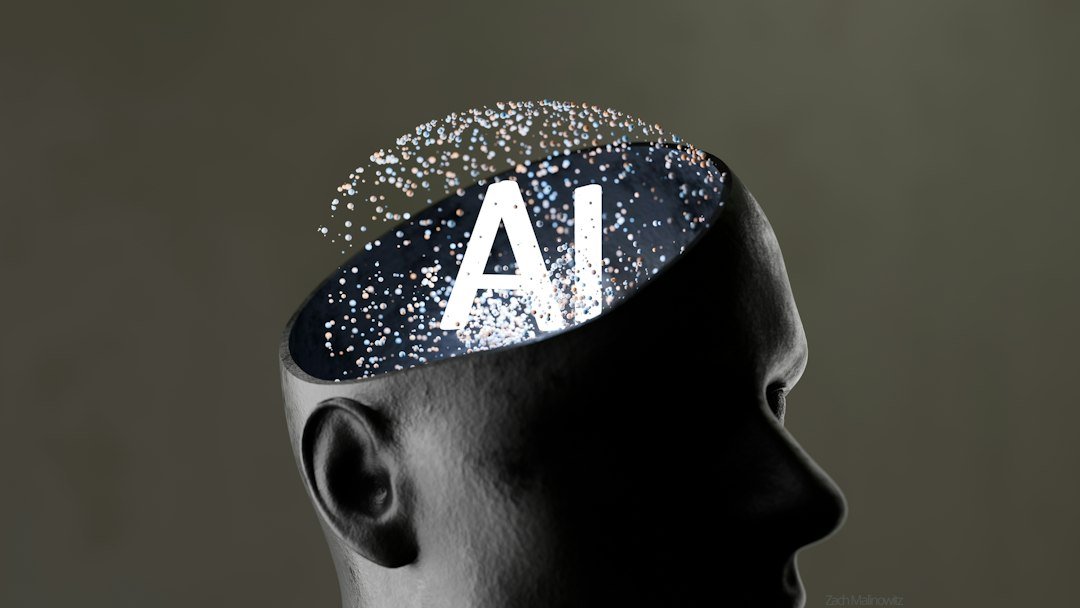
Artificial intelligence is set to fundamentally reshape leadership roles, not by replacing leaders, but by augmenting their capabilities and shifting the focus towards uniquely human skills like emotional intelligence, strategic thinking, and ethical decision-making. We’re looking at a future where leaders will be more coaches and strategists than ever before, with AI handling much of the data analysis and operational heavy lifting. This shift means a fresh approach to how we lead, develop talent, and even define success in the workplace.
AI’s Shifting Sands for Leadership
The arrival of AI in the workplace isn’t just another technological update; it’s a paradigm shift. For leaders, this means rethinking everything from daily workflows to long-term strategic planning. It’s not about machines taking over, but about them becoming incredibly powerful tools that, when wielded effectively, can elevate human performance and organisational outcomes. This requires leaders to not only understand what AI can do, but also how to integrate it ethically and efficiently into their operations.
Augmenting Decision-Making, Not Dictating It
One of the most immediate impacts of AI on leadership is in decision-making. Gone are the days when gut instinct was the primary driver for major strategic choices. AI can process vast amounts of data, identify patterns, predict trends, and even simulate outcomes with a speed and accuracy simply impossible for humans. For instance, in a retail environment, AI can analyse sales data, customer preferences, and even external factors like weather patterns to recommend optimal inventory levels or personalised marketing campaigns.
A leader, instead of spending hours sifting through spreadsheets, now receives AI-generated insights. This doesn’t mean the AI makes the decision; rather, it provides a much clearer picture, allowing the leader to make more informed, data-driven choices. The leader’s role here evolves from data cruncher to interpreter and strategist, using the AI’s output to guide their vision and steer the ship. They’ll need to develop a critical eye, questioning the AI’s assumptions and understanding its limitations, ensuring that human values and long-term strategic goals remain paramount.
Freeing Up Time for Human-Centric Tasks
Let’s be honest, many leadership roles are bogged down with administrative tasks, reporting, and operational oversight that, while necessary, don’t always demand complex human intellect. AI and automation are perfectly suited to take on many of these repetitive, rule-based tasks. Imagine AI handling performance tracking, generating routine reports, scheduling meetings, or even filtering through vast amounts of information to summarise key points.
By offloading these duties, leaders gain precious time. This liberated time can then be reinvested into activities that truly require human touch: mentoring employees, fostering a positive team culture, developing innovative solutions, engaging in complex negotiations, or focusing on high-level strategic planning. The outcome is not just efficiency but a more fulfilling and impactful leadership role, where time is spent on cultivating human capital and driving genuine growth, rather than getting caught in the operational weeds.
The Rise of Predictive Leadership
AI excels at prediction. From predicting market shifts to identifying potential employee burnout, AI offers a crystal ball of sorts. For leaders, this means moving from a reactive stance to a proactive one. Instead of reacting to a sudden drop in sales, AI could have flagged emerging customer dissatisfaction months in advance. Instead of addressing a high turnover rate after the fact, AI could identify patterns in employee engagement data that signal a risk of attrition, allowing leaders to intervene earlier with targeted support.
This predictive capability allows for more agile and resilient leadership. It enables leaders to anticipate challenges, mitigate risks, and seize opportunities before they fully materialise. However, it also demands a higher degree of foresight and adaptability from leaders, as they must be prepared to act on these predictions, even if they initially seem counter-intuitive. Trust in the AI’s data and the ability to translate those predictions into actionable strategies will be key.
Adapting Your Leadership Toolkit
With AI handling more of the analytical and operational tasks, the emphasis for leaders shifts squarely onto distinctly human capabilities. These are the skills that AI simply cannot replicate, at least not in any meaningful way, and they will become the bedrock of effective leadership in the AI era.
Emotional Intelligence: The Unassailable Edge
When AI handles the data, leaders need to handle the people. Emotional intelligence (EQ) – the ability to understand and manage one’s own emotions, and to perceive and influence the emotions of others – becomes more crucial than ever. Building strong relationships, fostering trust, mediating conflicts, and inspiring teams are all fundamentally human activities that rely heavily on EQ.
In a workplace where AI might be seen as a cold, calculating machine, leaders who exude empathy, active listening, and authentic communication will be vital for maintaining morale and engagement. They’ll be the ones to navigate the human anxieties around AI integration, ensuring that employees feel valued and understood, rather than threatened. This means investing in personal development around self-awareness, social skills, and motivation.
Strategic Vision and Ethical Stewardship
While AI can provide detailed data points, it cannot define the overarching purpose or strategic direction of an organisation. That remains the domain of human leadership. Leaders must be able to articulate a compelling vision, translate AI insights into actionable strategies, and navigate the complex, often ambiguous, future landscape. This requires abstract thinking, creativity, and the ability to connect disparate pieces of information into a coherent narrative.
Furthermore, with the power of AI comes significant ethical responsibilities. Leaders will be at the forefront of establishing guidelines for AI usage, ensuring fairness, transparency, and accountability. They’ll need to consider biases in data, privacy concerns, and the societal impact of AI-driven decisions. This demands a strong moral compass and the courage to make tough ethical calls, safeguarding the organisation’s values and reputation.
Cultivating a Culture of Continuous Learning
The pace of AI development is staggering. What’s cutting-edge today might be commonplace tomorrow. Therefore, leaders must cultivate a culture of continuous learning, not just for themselves, but for their entire teams. This means fostering curiosity, encouraging experimentation, and being open to new ways of working.
Leaders will need to be lifelong learners, keeping abreast of AI advancements and understanding how these technologies can be leveraged. More importantly, they’ll need to inspire this same intellectual agility in their employees. This involves creating safe spaces for learning new skills, encouraging upskilling and reskilling initiatives, and reframing mistakes as learning opportunities. The ability to adapt and evolve will be a core competency for every organisation.
The Human-AI Collaboration Blueprint
The future isn’t about humans versus AI; it’s about humans and AI working together in a synergistic partnership. Leaders need to design this collaboration effectively, ensuring that the strengths of each are leveraged to achieve superior outcomes. It’s about orchestrating a symphony where human ingenuity and AI efficiency play in harmony.
Designing Effective AI Integration
Simply buying AI software isn’t enough; leaders must thoughtfully integrate it into workflows and organisational structures. This means understanding where AI can genuinely add value, identifying tasks that are best suited for automation, and designing processes that seamlessly blend human and AI contributions. It’s not about forcing AI into every corner, but about strategic placement.
Consider a customer service department. AI chatbots can handle routine queries and provide instant responses, freeing up human agents to tackle more complex, emotionally charged issues. The leader’s role here is to design the hand-off points, train agents on how to leverage AI support, and continuously refine the system based on performance and customer feedback. This requires a systems-thinking approach and an understanding of both technological capabilities and human limitations.
Building Trust in AI Systems
For human-AI collaboration to thrive, trust is paramount. Employees need to trust that the AI systems are fair, accurate, and won’t threaten their jobs. Leaders play a critical role in fostering this trust. This involves transparency about how AI is being used, clear communication about its purpose, and demonstrating its benefits to employees.
Leaders should also champion data literacy and AI literacy within their teams. By understanding how AI works, its capabilities, and its limitations, employees are more likely to accept and embrace it. Furthermore, leaders must ensure that AI systems are monitored for bias and that there are clear channels for feedback and correction if issues arise. Trust isn’t built overnight, and it requires consistent effort and ethical conduct.
Redefining Roles and Skillsets
AI integration inevitably leads to a redefinition of roles and the skills required to perform them. Some tasks will be automated, others augmented, and entirely new roles may emerge. Leaders need to proactively manage this transition, which often comes with anxiety and uncertainty for employees.
This means conducting thorough workforce planning, identifying skill gaps, and investing heavily in reskilling and upskilling programmes. For instance, data analysts might transition from raw data manipulation to interpreting AI-generated insights and storytelling. Customer service agents might evolve into “experience orchestrators,” focusing on complex problem-solving and relationship building. Leaders must communicate these changes clearly, provide adequate training, and support employees through their professional development journeys.
The Evolving Leadership Profile
The archetypal leader of the future won’t just be a manager; they’ll be a visionary architect, a compassionate coach, and a tech-savvy strategist, all rolled into one. The demands will be higher, but the potential for impact will be far greater.
From Commander to Coach
The traditional “command and control” leadership style is increasingly outdated. In an AI-augmented environment, where intelligent systems handle much of the detailed oversight, leaders can shift their focus towards coaching, mentoring, and empowering their teams. They become facilitators, removing roadblocks, providing guidance, and fostering an environment where employees can thrive and innovate.
This coaching approach involves active listening, asking powerful questions, providing constructive feedback, and helping individuals unlock their full potential. It’s about developing the next generation of talent, rather than simply dictating tasks. This shift aligns perfectly with the need for strong emotional intelligence and the cultivation of continuous learning within the workforce.
The Data-Literate Leader
While leaders don’t need to be AI engineers, they do need to be data-literate. This means understanding the fundamentals of how AI works, knowing what questions to ask of AI-generated insights, and being able to critically evaluate its outputs. It’s about being able to discern signal from noise, and to understand the context and limitations of the data.
A data-literate leader can challenge assumptions, identify potential biases in AI models, and ensure that AI is being used responsibly and effectively to achieve strategic objectives. They’re not just consumers of data; they are informed interpreters and ethical custodians of it. This isn’t about programming, but about critical thinking applied to a new type of information.
Championing Innovation and Agility
The AI landscape is constantly evolving, and organisations that can adapt quickly will be the ones that succeed. Leaders must champion a culture of innovation and agility, encouraging experimentation, calculated risk-taking, and a willingness to pivot when necessary. This means being comfortable with ambiguity and leading through change.
Leaders should foster environments where employees feel safe to propose new ideas, even if they involve using AI in novel ways, and to learn from failures. They should facilitate cross-functional collaboration and encourage a mindset of continuous improvement. The ability to quickly iterate and respond to emerging technological capabilities and market shifts will define successful leadership.
Preparing Your Organisation for Tomorrow’s Leadership
Building a future-ready organisation means proactively addressing the implications of AI on leadership today. It’s not a task to be deferred, but an ongoing strategic imperative that requires foresight and deliberate action.
Investing in Leadership Development
The skill sets required for future leaders are distinct from those of the past. Organisations must invest heavily in leadership development programmes that focus on emotional intelligence, strategic thinking in an AI context, ethical decision-making, data literacy, and change management. This isn’t about a one-off workshop but a continuous journey of learning and adaptation.
These programmes should go beyond theoretical knowledge, incorporating practical exercises, simulations, and mentorship opportunities that prepare leaders to navigate complex AI-driven scenarios. Peer-to-peer learning and networking with leaders from other AI-forward organisations can also provide invaluable insights and support.
Fostering an Ethical AI Framework
As AI becomes more embedded, establishing a clear ethical framework for its use is non-negotiable. Leaders are responsible for defining the organisation’s stance on AI ethics, addressing issues such as data privacy, algorithmic bias, transparency, and accountability. This framework should guide decision-making at all levels and be communicated clearly to all employees.
This isn’t just about compliance; it’s about building trust with employees, customers, and stakeholders. A strong ethical foundation ensures that AI is used responsibly and aligns with the organisation’s values, mitigating risks and building a sustainable future. Regular audits and reviews of AI systems against these ethical guidelines will be crucial.
Cultivating a Growth Mindset Across the Board
Perhaps the most critical preparation is cultivating a growth mindset throughout the entire organisation, from the C-suite to the frontline. This is the belief that abilities and intelligence can be developed through dedication and hard work, rather than being fixed. In an era of rapid technological change, this mindset is essential for embracing new tools like AI, adapting to new roles, and continuously acquiring new skills.
Leaders must model this growth mindset themselves, demonstrating curiosity, a willingness to learn from mistakes, and an openness to new ideas. They should create an environment where employees feel empowered to learn, experiment, and develop their capabilities, ensuring that the entire workforce is prepared to thrive alongside AI. This holistic approach to development will be the bedrock of sustained success in the evolving world of work.