








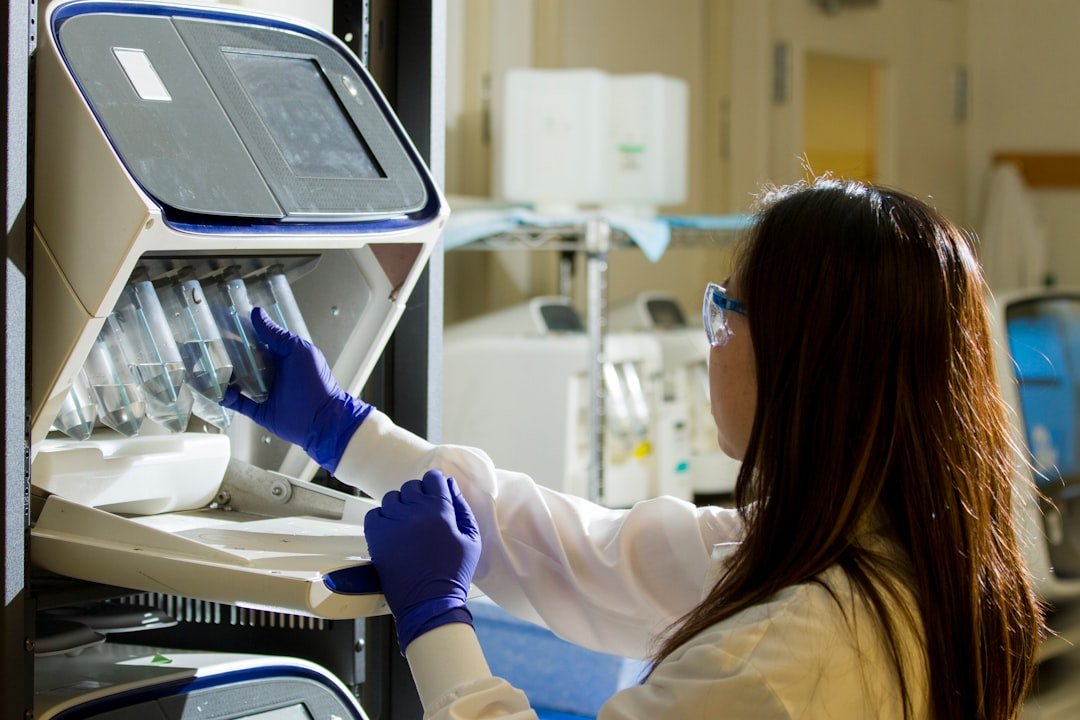
Molecular diagnostics is a rapidly evolving field that focuses on the analysis of biological markers in the genome and proteome. This branch of medical science plays a crucial role in identifying diseases at a molecular level, allowing for more precise and personalised treatment options. By examining DNA, RNA, and proteins, healthcare professionals can gain insights into the underlying mechanisms of diseases, leading to improved patient outcomes.
The significance of molecular diagnostics has grown tremendously in recent years, particularly with the rise of personalised medicine. This approach tailors treatment based on individual genetic profiles, making it possible to target therapies more effectively. As we delve deeper into the world of molecular diagnostics, we will explore its components, including genomic and proteomic profiling, and how these technologies are reshaping disease detection and monitoring.
Understanding Genomic Profiling
Genomic profiling involves analysing an individual’s genetic material to identify variations that may contribute to disease. This process typically includes sequencing DNA to detect mutations, copy number variations, and other genetic alterations. By understanding a patient’s unique genetic makeup, clinicians can make informed decisions about diagnosis and treatment options.
One of the most significant applications of genomic profiling is in oncology. Tumours often exhibit specific genetic mutations that can inform treatment strategies. For instance, certain breast cancers are associated with mutations in the BRCA1 and BRCA2 genes. Identifying these mutations can help determine whether a patient is likely to benefit from targeted therapies, such as PARP inhibitors. Moreover, genomic profiling can also aid in predicting disease progression and potential responses to treatment, allowing for a more tailored approach to patient care.
The Role of Proteomic Profiling in Disease Detection
While genomic profiling focuses on DNA and RNA, proteomic profiling examines the proteins produced by an organism. Proteins play a vital role in various biological processes, and their expression levels can provide valuable insights into disease states. By analysing the proteome, researchers can identify biomarkers that indicate the presence or progression of diseases.
Proteomic profiling has shown promise in several areas, particularly in cancer detection. For example, certain proteins may be overexpressed or underexpressed in cancerous tissues compared to healthy ones. By detecting these changes, clinicians can develop diagnostic tests that improve early detection rates. Additionally, proteomic analysis can help monitor treatment responses by assessing changes in protein expression over time, providing a dynamic view of a patient’s health status.
Advancements in Molecular Diagnostics
The field of molecular diagnostics has witnessed remarkable advancements over the past decade. Technological innovations have made it possible to conduct complex analyses more quickly and accurately than ever before. Next-generation sequencing (NGS) is one such advancement that has revolutionised genomic profiling. NGS allows for the simultaneous sequencing of millions of DNA fragments, significantly reducing the time and cost associated with traditional sequencing methods.
Moreover, advancements in bioinformatics have enhanced our ability to interpret vast amounts of data generated by molecular diagnostics. Sophisticated algorithms and machine learning techniques enable researchers to identify patterns and correlations that may not be immediately apparent. These developments are paving the way for more precise diagnostics and personalised treatment plans, ultimately improving patient care.
Impact of Genomic and Proteomic Profiling on Disease Monitoring
| Technology | Advantages | Challenges |
|---|---|---|
| Genomic Profiling | Personalised treatment, early disease detection | Cost, data interpretation |
| Proteomic Profiling | Biomarker discovery, monitoring treatment response | Sample preparation, standardisation |
Genomic and proteomic profiling have transformed how we monitor diseases over time. By regularly assessing a patient’s genetic and protein profiles, healthcare providers can track disease progression and treatment efficacy more effectively. This continuous monitoring allows for timely adjustments to treatment plans based on real-time data.
For instance, in chronic diseases such as diabetes or cardiovascular conditions, regular molecular diagnostics can help identify changes in biomarkers that signal worsening health or complications. This proactive approach enables clinicians to intervene earlier, potentially preventing severe outcomes and improving overall patient quality of life.
Applications of Molecular Diagnostics in Clinical Practice
Molecular diagnostics has found its way into various clinical applications across multiple specialties. In oncology, it is used for tumour profiling to guide targeted therapies and assess treatment responses. In infectious diseases, molecular tests can quickly identify pathogens and their resistance patterns, allowing for timely and appropriate treatment decisions.
Additionally, molecular diagnostics plays a crucial role in prenatal testing and genetic counselling. Non-invasive prenatal testing (NIPT) utilises cell-free fetal DNA from maternal blood to screen for chromosomal abnormalities with high accuracy. This application not only provides expectant parents with valuable information but also helps healthcare providers manage potential risks during pregnancy.
Challenges and Limitations of Molecular Diagnostics
Despite its many advantages, molecular diagnostics is not without challenges. One significant limitation is the complexity of interpreting results. Genetic variations can be benign or pathogenic, making it essential for healthcare professionals to have a deep understanding of genomics to provide accurate interpretations. Misinterpretations can lead to inappropriate treatments or unnecessary anxiety for patients.
Another challenge lies in the accessibility and affordability of molecular diagnostic tests. While costs have decreased over time, many advanced tests remain expensive and may not be covered by insurance in some regions. This disparity can create barriers for patients who could benefit from these technologies but lack the financial means to access them.
Future Trends in Molecular Diagnostics
Looking ahead, several trends are likely to shape the future of molecular diagnostics. One promising direction is the integration of artificial intelligence (AI) into diagnostic processes. AI algorithms can analyse complex datasets more efficiently than humans, potentially leading to faster and more accurate diagnoses.
Additionally, the development of point-of-care testing devices is expected to expand access to molecular diagnostics. These portable devices can provide rapid results in various settings, from hospitals to remote clinics, making it easier for healthcare providers to make informed decisions on the spot.
Case Studies: Molecular Diagnostics in Action
To illustrate the impact of molecular diagnostics, consider the case of a patient diagnosed with lung cancer. Through genomic profiling, oncologists identified a specific mutation in the EGFR gene that was driving tumour growth. This information allowed them to prescribe a targeted therapy that significantly improved the patient’s response to treatment.
In another example, a pregnant woman underwent non-invasive prenatal testing that revealed a high risk for Down syndrome in her fetus. Armed with this information, she was able to make informed decisions about further testing and potential interventions during her pregnancy, ultimately leading to better outcomes for both mother and child.
Ethical and Legal Considerations in Molecular Diagnostics
As with any rapidly advancing field, molecular diagnostics raises important ethical and legal questions. Issues surrounding patient consent, data privacy, and potential discrimination based on genetic information are paramount. It is crucial for healthcare providers to navigate these concerns carefully while ensuring that patients are fully informed about their options.
Moreover, as genomic data becomes increasingly integrated into clinical practice, there is a need for robust regulations to protect patients’ rights. Establishing clear guidelines on how genetic information can be used will be essential in maintaining public trust in molecular diagnostics.
The Promise of Genomic and Proteomic Profiling in Disease Detection and Monitoring
In summary, molecular diagnostics represents a significant leap forward in our ability to detect and monitor diseases at a molecular level. Through genomic and proteomic profiling, healthcare providers can tailor treatments to individual patients more effectively than ever before. While challenges remain—such as interpretation complexities and accessibility—ongoing advancements promise to enhance the precision and efficacy of these diagnostic tools.
As we continue to explore the potential of molecular diagnostics, it is clear that this field holds great promise for improving patient outcomes across various medical disciplines. With careful consideration of ethical implications and ongoing technological innovations, we are poised to unlock new possibilities in disease detection and management that could transform healthcare as we know it.