








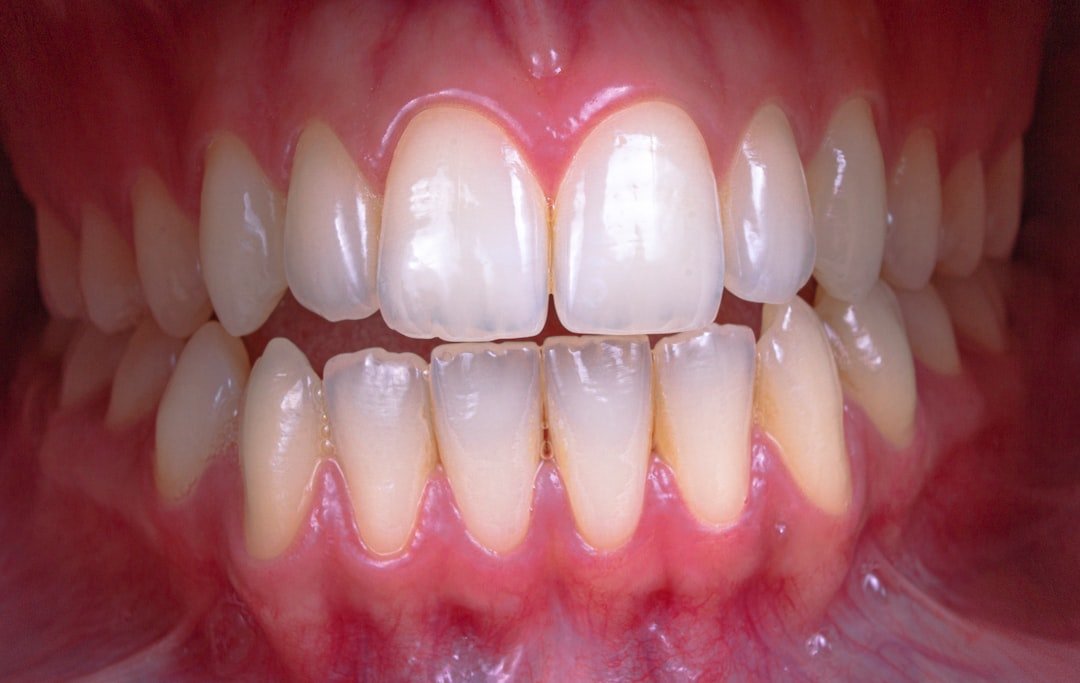
AI is steadily changing the landscape of dental diagnostics, offering more accurate and earlier detection of common oral health issues like caries and periodontal disease. Simply put, artificial intelligence helps dentists spot problems that might be missed by the human eye alone, and in some cases, makes the diagnostic process more efficient. It does this by analyzing vast amounts of data, highlighting patterns, and assisting in the interpretation of images and patient records.
One of the most significant ways AI contributes to dental diagnostics is through its ability to process and interpret visual information. Dental imaging, whether it’s traditional X-rays, intraoral photographs, or 3D scans, provides a wealth of data. AI algorithms are trained on enormous datasets of these images, learning to identify subtle signs of disease that humans might overlook.
Detecting Caries from Radiographs
Traditional radiographic interpretation for caries detection can sometimes be challenging. Early carious lesions, particularly interproximal ones, can be difficult to differentiate from normal tooth structures or benign variations. AI steps in here as an invaluable assistant.
- Highlighting Demineralization: AI models can be trained to recognize nuances in radiodensity that indicate early demineralization, a precursor to cavitation. This capability allows for intervention at a stage when remineralization is still possible, potentially avoiding the need for fillings.
- Improving consistency: Human interpretation of radiographs can vary between practitioners. AI provides a standardized, objective analysis, reducing inter-observer variability and ensuring a more consistent diagnostic approach across different clinics or even different dentists in the same practice.
- Pinpointing Hard-to-See Lesions: Lesions that are obscured by existing restorations, overlapping teeth, or are just very small and subtle can often be identified by AI. Its ability to process pixel data at a granular level allows it to pick up on minute changes that might be missed during a quick visual scan by a dentist.
Identifying Periodontal Bone Loss
Periodontal disease is characterized by inflammation and destruction of the supporting structures of the teeth, including the alveolar bone. Early detection of bone loss is crucial for effective management and preventing tooth loss. AI aids significantly in this area.
- Measuring Bone Levels Accurately: AI algorithms can precisely measure bone levels relative to the cementoenamel junction (CEJ) on radiographs. This quantitative assessment offers a more objective measure of bone loss compared to subjective visual estimation.
- Tracking Disease Progression: By comparing sequential radiographs from the same patient, AI can automatically detect and quantify changes in bone levels over time. This capability provides a powerful tool for monitoring disease progression or assessing the effectiveness of periodontal treatment. It enables clinicians to visualize trends and make data-driven decisions about treatment modifications.
- Identifying Furcation Involvements: Furcation involvement, where the disease has progressed into the multi-rooted teeth’s furcation area, can be difficult to diagnose accurately from 2D radiographs. While 3D imaging is often preferred, AI can still assist in highlighting potential furcation issues on 2D images, prompting further investigation.
Predictive Analytics for Risk Assessment
Beyond simply identifying existing conditions, AI can play a role in predicting future disease risk. By analyzing a broader range of patient data, AI can help tailor preventive strategies.
Caries Risk Prediction
Understanding a patient’s individual risk for developing caries allows dentists to implement targeted preventive measures, potentially averting disease before it starts.
- Evaluating Multiple Risk Factors: AI models can integrate various data points, including dietary habits, oral hygiene practices, fluoride exposure, past caries history, medical conditions, and even genetic predispositions, if available. By crunching these numbers, it can generate a personalized caries risk score.
- Identifying High-Risk Patients: This capability allows dentists to proactively identify patients who are at a higher risk of developing new lesions. These patients can then be enrolled in more intensive preventive programs, such as more frequent fluoride applications, sealants, or detailed dietary counseling.
- Personalizing Prevention Strategies: Instead of a one-size-fits-all approach, AI-driven risk assessment enables individualized prevention plans. A patient with a high sugar intake history coupled with poor brushing might receive different advice and interventions than someone with good habits but a genetic susceptibility.
Periodontal Disease Progression Forecasting
Predicting the likelihood of periodontal disease progression helps in triaging patients and allocating resources effectively.
- Analyzing Clinical Parameters: AI can incorporate clinical measurements such as probing depths, bleeding on probing, plaque scores, and attachment loss, alongside radiographic findings and patient demographics. This comprehensive analysis allows for a more robust prediction of future disease activity.
- Forecasting Tooth Loss Risk: For patients with existing periodontal disease, AI can help predict which teeth are at higher risk of future attachment loss or even extraction. This information is invaluable for treatment planning, helping dentists decide on the aggressiveness of therapy or recommending specialist referral earlier.
- Optimizing Recall Intervals: Based on an individual’s predicted risk, AI can suggest personalized recall intervals for periodontal maintenance appointments. Patients at higher risk might be advised to return more frequently, ensuring timely intervention and monitoring.
Streamlining Workflow and Efficiency
While improved accuracy is a primary benefit, AI also contributes to making the diagnostic process more efficient for dental professionals.
Automating Repetitive Tasks
Many aspects of dental diagnostics involve repetitive tasks that can be tedious and time-consuming. AI offers solutions for automating these.
- Charting and Documentation: AI-powered voice recognition systems can accurately transcribe clinical notes, reducing the time dentists spend on charting during examinations. This allows them to focus more on the patient.
- Image Pre-processing: Before analysis, images often need processing, such as enhancing contrast or removing artifacts. AI can automate these steps, ensuring images are optimally prepared for interpretation by either a human or another AI.
Prioritizing Urgent Cases
In busy dental practices, quickly identifying patients who require immediate attention is important. AI can assist in this triage process.
- Flagging Severe Conditions: AI can be trained to flag severe or rapidly progressing caries or periodontal destruction on radiographs or clinical images. This alert can prompt the dental team to prioritize these patients for an earlier appointment or specialist referral.
- Reducing Diagnostic Bottlenecks: By quickly identifying issues, AI can help prevent delays in diagnosis and treatment, which is particularly beneficial for conditions where early intervention can significantly impact outcomes.
Improving Patient Education and Engagement
Better communication and understanding are crucial for patient adherence to treatment plans and preventive measures. AI contributes to this aspect.
Visualizing Disease Progression and Treatment Needs
Patients often struggle to understand complex dental concepts or visualize problems within their own mouths. AI-generated visual aids can bridge this gap.
- Clearer Explanations: When AI highlights a carious lesion or bone loss on an X-ray, it provides a tangible visual reference for the patient. Dentists can use these AI-marked images to explain the problem in a way that is easy for the patient to comprehend.
- Motivational Tool: Seeing a problem clearly demarcated makes it more real for patients. This visual evidence can be a powerful motivator for them to accept treatment recommendations or adopt better oral hygiene practices.
Personalized Patient Communication
AI can help dentists deliver more personalized and effective communication to their patients.
- Tailored Information: Based on the AI-generated risk assessment, specific educational materials about caries prevention or periodontal care can be automatically selected and provided to the patient. This ensures the information is relevant to their individual needs.
- Demonstrating Treatment Outcomes: If AI is used to track disease progression, it can also be used to show treatment efficacy. For example, demonstrating a stabilization of bone levels after periodontal therapy, visualized through AI comparisons of before-and-after radiographs, reinforces the value of treatment for the patient.
The Future Landscape of AI in Dentistry
| Metrics | Improvement |
|---|---|
| Accuracy | AI algorithms can achieve high accuracy in detecting caries and periodontal disease, reducing the chances of misdiagnosis. |
| Speed | AI can analyze dental images and identify issues much faster than human dentists, leading to quicker diagnosis and treatment. |
| Consistency | AI provides consistent results in detecting dental issues, reducing variability between different practitioners. |
| Early detection | AI can identify early signs of caries and periodontal disease, allowing for timely intervention and prevention of further damage. |
The integration of AI into dental practice is still evolving, but its trajectory suggests an increasing presence and impact.
Augmented Intelligence, Not Replacement
It’s important to clarify that AI is not designed to replace dentists. Instead, it serves as an “augmented intelligence” tool.
- Supporting Clinical Decisions: AI provides dentists with additional data and insights, helping them make more informed and confident diagnostic and treatment decisions. The final diagnosis and treatment plan always remain under the purview of the human clinician.
- Reducing Mental Fatigue: By offloading some of the intense visual analysis and data processing, AI can reduce the mental fatigue on dentists, allowing them to focus their cognitive energy on complex clinical reasoning, communication, and patient care.
Continuous Learning and Development
AI models are not static; they continually learn and improve.
- Improving Accuracy Over Time: As more data becomes available and algorithms are refined, the accuracy and capabilities of AI in dental diagnostics will only get better. Feedback loops from clinicians will be crucial in this iterative improvement process.
- Expanding Beyond Current Applications: We can anticipate AI being applied to other areas of dentistry, such as orthodontic treatment planning, endodontic diagnosis, and even the design of dental prosthetics. The potential applications are vast and continue to expand with technological advancements.
Ultimately, AI represents a powerful progression in dental diagnostics, offering more precise, consistent, and proactive care for patients. It’s a tool that empowers dentists to see more, understand more, and ultimately, provide better oral health outcomes.