








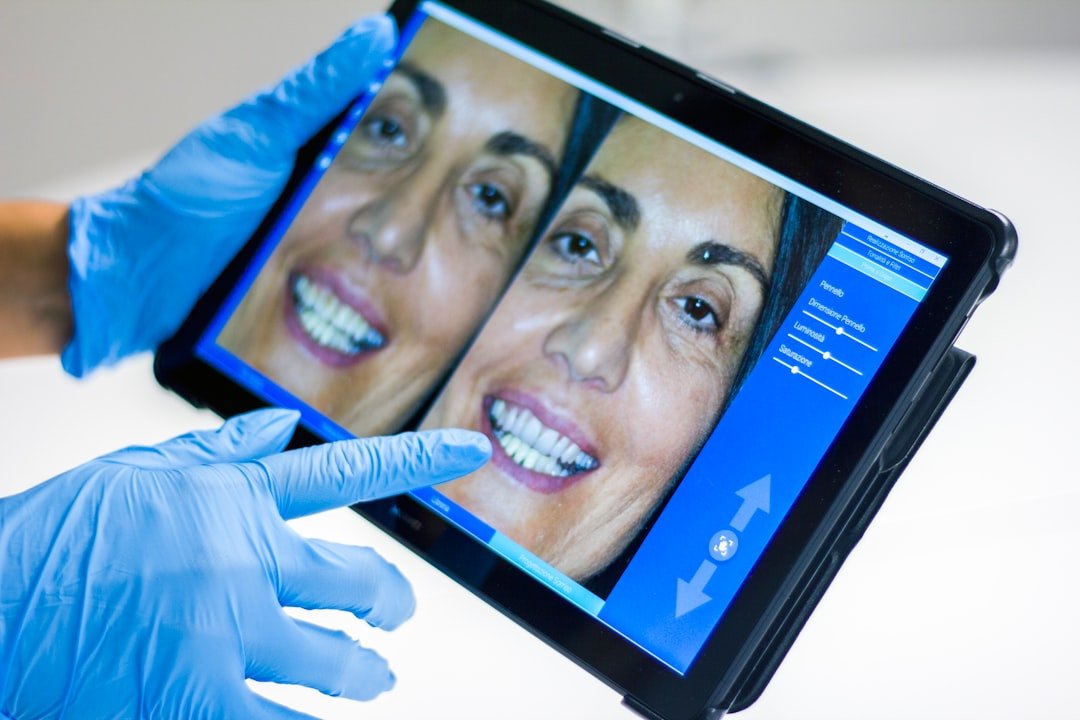
AI-powered teledentistry and remote consultations are well on their way to becoming standard practice by 2026, offering a more accessible and efficient approach to dental care. Think of it as bringing the dentist’s chair, or at least a part of it, into your home, augmented by smart technology that helps diagnose and guide treatment.
The Practicalities: What Does This Actually Mean for Patients?
For most people, the biggest change by 2026 will be the increased convenience and accessibility of dental services. You won’t necessarily need to take off a full day of work or find a sitter for every minor dental concern.
Initial Assessments Without Leaving Home
Imagine waking up with a toothache. Instead of waiting for a dental office to open and then rushing to get an appointment, you might be able to connect with a dental professional via a secure video call.
How It Works
A teledentistry platform can facilitate this. You’d likely upload photos or videos of the affected area, perhaps guided by a dental assistant through a chatbot or a brief set of instructions. The dentist then reviews this information remotely.
AI’s Role in the Initial Look
This is where AI starts to shine. AI algorithms can be trained to identify potential issues from these images – signs of decay, inflammation, or even hairline fractures – flagging them for the dentist’s attention. This doesn’t replace the dentist’s diagnosis, but it acts as a helpful first pass, potentially speeding up the initial assessment and ensuring the dentist has more targeted information when they do connect with you.
Follow-Up Care and Monitoring
Teledentistry isn’t just for emergencies. It’s also incredibly useful for managing ongoing conditions or post-treatment follow-ups.
Checking In On Treatments
If you’ve had, say, orthodontic work or are undergoing treatment for gum disease, remote check-ins can be scheduled. This allows the dental team to monitor your progress without you having to travel to the clinic each time.
AI-Assisted Progress Tracking
AI can analyze changes in images captured over time, looking for subtle shifts in tooth alignment, gum recession, or healing. This objective data can supplement the dentist’s observations, providing a more comprehensive view of your treatment journey.
Access to Specialists
One of the significant benefits in 2026 will be improved access to dental specialists. Not every town has an orthodontist, oral surgeon, or periodontist readily available.
Bridging Geographic Gaps
Teledentistry allows patients in rural or underserved areas to consult with specialists located elsewhere. This democratizes access to advanced dental expertise.
How AI Supports Specialist Consultations
AI can help triage cases, identifying those that truly require specialist attention and providing specialists with summarized patient histories and preliminary AI-driven insights, making their remote consultations more focused and productive.
The Technology Behind the Scenes
While we’re talking about convenient consultations, it’s important to understand the technology that makes these interactions secure and effective.
Secure Communication Platforms
The backbone of teledentistry is a robust and secure platform that protects patient data.
HIPAA Compliance and Beyond
By 2026, these platforms will be not only HIPAA-compliant (in the US) but also adhere to a global array of privacy regulations. End-to-end encryption will be standard.
User-Friendly Interfaces
The interfaces will be designed for ease of use, even for those less comfortable with technology. Think intuitive apps and web portals.
AI Diagnostic Tools
This is where the “AI-supported” aspect really comes into play. These are not just generic AI models; they are specialized tools developed for dentistry.
Image Analysis Software
AI algorithms are being trained on vast datasets of dental radiographs, intraoral photos, and even 3D scans. These algorithms can identify patterns indicative of cavities, periodontal bone loss, impacted teeth, and other conditions that might be subtle to the untrained eye.
Predictive Analytics for Risk Assessment
Beyond diagnosis, AI can analyze patient data (including lifestyle factors and genetic predispositions, if available) to predict the likelihood of developing certain dental conditions, allowing for proactive preventive care.
Remote Monitoring Devices (Emerging)
While not yet mainstream for every patient by 2026, expect to see more specialized remote monitoring devices.
Smart Toothbrushes and Oral Hygiene Trackers
These devices can provide data on brushing habits, duration, and coverage. AI can analyze this data to offer personalized feedback and recommendations.
Wearable Sensors (Future Potential)
Think about subtle sensors that could monitor salivary pH, glucose levels, or even early signs of inflammation in the oral tissues. AI would be crucial in interpreting the data from these sensors.
The Dentist’s Evolving Role
It’s crucial to understand that AI isn’t replacing dentists, but rather augmenting their capabilities.
Enhanced Diagnostic Accuracy
AI tools can act as a second set of eyes, catching details that might be missed or confirming a dentist’s initial findings.
Reducing Diagnostic Errors
By providing objective data and flagging potential issues, AI can contribute to a reduction in misdiagnoses or delayed diagnoses.
Prioritizing Cases
AI can help triage incoming remote consultations, highlighting urgent cases that require immediate in-person attention, improving workflow efficiency.
More Efficient Treatment Planning
With AI-generated insights and data, dentists can create more precise and efficient treatment plans.
Personalized Treatment Pathways
AI can suggest evidence-based treatment options tailored to an individual patient’s specific condition and risk factors.
Predicting Treatment Outcomes
In some cases, AI may be used to predict the likely success rates of different treatment approaches, allowing for more informed decision-making for both dentist and patient.
Focus on Complex Cases and Interpersonal Care
By automating some of the more routine diagnostic and monitoring tasks, dentists can dedicate more time and mental energy to complex cases and the human element of care.
Deeper Patient Engagement
With less time spent on administrative or repetitive diagnostic tasks, dentists can have more meaningful conversations with patients about their oral health, addressing concerns and building stronger relationships.
Critical Thinking and Clinical Judgment
The final diagnosis and treatment decisions will always rest with the human dentist, whose critical thinking and clinical judgment AI cannot replicate.
Challenges and Considerations for 2026
While the future looks promising, there are still hurdles to overcome and important points to consider.
Ensuring Equity and Access
The digital divide is a real concern. Not everyone has reliable internet access or the necessary devices.
Bridging the Digital Divide
By 2026, initiatives will likely be in place to ensure that teledentistry is accessible to all populations, possibly through community centers or subsidized device programs.
Language and Cultural Barriers
AI also needs to be developed with multilingual capabilities and cultural sensitivity to be truly inclusive.
Regulatory Landscape and Licensing
The legal framework for teledentistry is still evolving.
Inter-State and International Practice
By 2026, we might see more streamlined regulations for dentists practicing across state or national borders via telemedicine.
Professional Standards and Liability
Clear guidelines on professional standards and liability in teledentistry will be essential.
Data Security and Privacy Concerns
Despite advancements, safeguarding patient data remains paramount.
Robust Cybersecurity Measures
Constant vigilance and upgrades to cybersecurity protocols will be necessary to protect against breaches.
Patient Trust and Transparency
Clear communication with patients about how their data is used and protected will be key to building and maintaining trust.
The Patient’s Role and Responsibilities in Teledentistry
For teledentistry to be successful, patients also have a role to play.
Providing Accurate Information
The effectiveness of any remote consultation hinges on the quality of information provided.
Honest Self-Reporting
Be honest about your symptoms, pain levels, and any changes you’ve noticed.
Accurate Documentation
When asked to take photos or videos, do your best to follow instructions for clear, well-lit images.
Understanding Limitations
It’s important to know when a remote consultation is appropriate and when an in-person visit is necessary.
Identifying Red Flags
Be aware of symptoms that warrant immediate emergency care and don’t delay seeking it.
Following Professional Advice
Adhere to the recommendations provided by your dental professional, whether it’s for further remote monitoring or an in-person appointment.
Active Participation in Oral Hygiene
If you’re using teledentistry for monitoring or managing oral hygiene, active participation is key.
Consistent Home Care
Maintain your regular brushing and flossing routine diligently.
Utilizing Feedback
Engage with any feedback or recommendations provided by AI tools or your dental professional to improve your home care practices.
By 2026, AI-supported teledentistry and remote consultations will represent a significant step forward in making dental care more convenient, efficient, and accessible for a wider range of people. It’s not a futuristic fantasy, but a practical evolution of how we approach oral health.