









So, you’ve probably heard about AI writing articles, creating images, and even composing music. That’s the general power of Generative AI. But something else is quietly happening, and it’s pretty significant, especially in the medical field. We’re seeing the rise of domain-specific GenAI models for medical tasks. What does that actually mean? Put simply, instead […]

How healthcare organizations can validate GenAI before clinical use
GenAI, or Generative Artificial Intelligence, holds immense promise for healthcare, from revolutionising diagnostics to streamlining administrative tasks. However, before these powerful tools can be unleashed into clinical practice, a robust validation process is absolutely critical. We’re talking about patient safety and efficacy here, so rushing this would be a serious misstep. In short, healthcare organisations […]

Multimodal AI in healthcare: combining text, images, and signals for better care
It’s fascinating to think about how AI is starting to really make a difference in healthcare, and one of the most exciting areas is multimodal AI. Essentially, this means AI that can understand and process information from different sources – like doctor’s notes (text), X-rays or scans (images), and even things like ECG readings (signals) […]

Generative AI for clinical documentation: where it saves time and where it fails
Generative AI is certainly making waves in healthcare, and clinical documentation is one area where it shows immense promise – and also some clear limitations. In short, it can be a real time-saver for repetitive, structured tasks, but it often falls short when nuance, critical thinking, or a deep understanding of patient context is required. […]

Why healthcare GenAI is shifting from pilots to ROI-driven implementation
It’s increasingly clear that Generative AI (GenAI) in healthcare is moving beyond experimental pilot projects and into tangible, ROI-driven implementations. The shift isn’t just a tech trend; it’s a necessary evolution as organisations look to unlock real, measurable value from their investments. Essentially, the ‘why’ is simple: the technology has matured enough, and the healthcare […]

Agentic AI workflows in hospitals: the next step after chatbots
Right, so you’re probably wondering what all this “agentic AI” fuss is about in hospitals, especially after hearing so much about chatbots. In a nutshell, agentic AI takes things a big step further. While chatbots are great for answering questions or directing you to information, agentic AI is designed to act. It can understand a […]
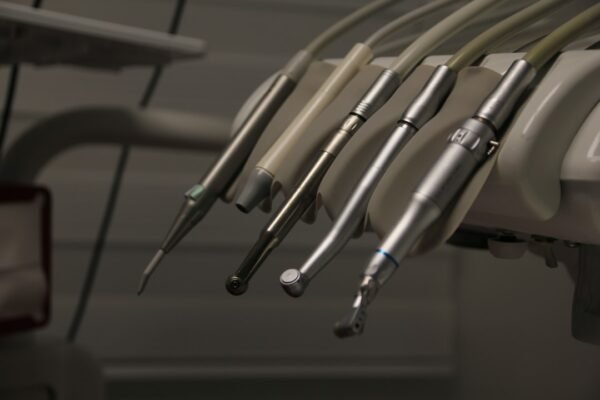
Revolutionising Dentistry: Generative AI Innovations in 2026
The world of dentistry is on the cusp of a significant shift, and by 2026, generative AI is set to be a major player in how we approach oral health. Forget sci-fi fantasies; we’re talking about practical tools that will make consultations smoother, treatments more precise, and even help prevent problems before they start. AI: […]

AI in Healthcare 2026
You’re probably wondering what AI in healthcare is going to look like by 2026. The short answer? More integrated, more helpful, and definitely not replacing your doctor anytime soon. Think of it as a very smart assistant, working behind the scenes to make healthcare more efficient and accurate. The Everyday Ai Assistant: Diagnosis and Treatment […]

3D printing in dental clinics surpassing mills in number, driving deep clinical penetration for crowns
In recent years, 3D printing has made significant inroads into various industries, and dentistry is no exception. The technology has transformed how dental clinics operate, allowing for more efficient and precise treatments. With the ability to create custom dental appliances, such as crowns, bridges, and aligners, 3D printing has become an essential tool for modern […]
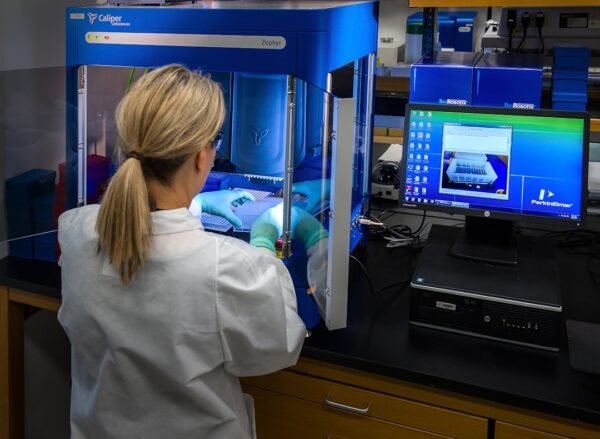
3D printing revolutionizing personalized medicine with custom prosthetics and anatomical models for surgical planning
In recent years, 3D printing has emerged as a transformative force in the field of personalised medicine. This technology allows for the creation of customised medical devices and solutions tailored to the unique needs of individual patients. The ability to produce complex structures with precision has opened new avenues for treatment, particularly in areas such […]