









Artificial Intelligence (AI) is transforming various industries, and logistics is no exception. The integration of AI technologies into logistics operations is reshaping how businesses manage their supply chains, optimise processes, and enhance customer experiences. From predictive analytics to automated warehousing, AI is enabling companies to operate more efficiently and respond to market demands with greater […]

The role of AI agents in warehouse operations
Artificial Intelligence (AI) agents are increasingly becoming integral to warehouse operations, transforming how businesses manage their logistics and inventory. These intelligent systems can perform a variety of tasks, from monitoring stock levels to optimising workflows, all while learning and adapting to the specific needs of the warehouse environment. The rise of AI agents is not […]

Predictive analytics in logistics: reducing delays and costs
Predictive analytics is transforming the logistics industry by enabling companies to anticipate future trends and make informed decisions. At its core, predictive analytics uses historical data, statistical algorithms, and machine learning techniques to identify patterns and predict outcomes. In logistics, this means being able to forecast demand, optimise routes, and manage inventory more effectively. The […]

How AI improves route optimization and last-mile delivery
Route optimization is a critical component of logistics, particularly in the context of last-mile delivery. This term refers to the process of determining the most efficient path for delivery vehicles to take when transporting goods from a distribution centre to the final destination. The last mile is often the most complex and costly segment of […]

AI in supply chain management: what is working now
Artificial Intelligence (AI) is transforming various sectors, and supply chain management is no exception. The integration of AI technologies into supply chains is not just a trend; it’s becoming a necessity for businesses aiming to stay competitive. By leveraging AI, companies can enhance efficiency, reduce costs, and improve decision-making processes. This article delves into the […]
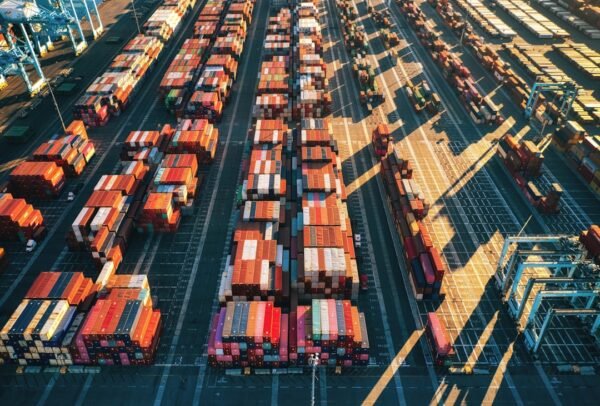
Logistics automation with AI: from forecasting to fulfillment
Logistics automation is rapidly transforming the way businesses operate, and artificial intelligence (AI) is at the forefront of this change. By integrating AI into logistics processes, companies can streamline operations, reduce costs, and enhance overall efficiency. The use of AI in logistics is not just a trend; it’s becoming a necessity for businesses looking to […]

How HR leaders can govern AI use responsibly
Artificial Intelligence (AI) is reshaping the landscape of Human Resources (HR) in profound ways. From recruitment to employee engagement, AI tools are streamlining processes, enhancing decision-making, and improving overall efficiency. For instance, AI can sift through thousands of resumes in a fraction of the time it would take a human recruiter, identifying the best candidates […]

Using AI to improve employee engagement and retention
Artificial Intelligence (AI) is increasingly becoming a game-changer in the realm of employee engagement and retention. By harnessing the power of data and machine learning, organisations can gain insights into their workforce that were previously unattainable. This technology not only helps in understanding employee sentiments but also tailors experiences to meet individual needs, ultimately fostering […]

AI for performance management: promise, risk, and adoption lessons
Artificial Intelligence (AI) is increasingly becoming a cornerstone in various business functions, and performance management is no exception. At its core, AI can analyse vast amounts of data quickly and efficiently, providing insights that can help organisations enhance employee performance and streamline processes. The integration of AI into performance management systems promises to revolutionise how […]
How generative AI is changing employee training and onboarding
Generative AI is transforming the landscape of employee training and onboarding, offering innovative solutions that cater to the diverse needs of modern workplaces. By harnessing the power of artificial intelligence, organisations can create tailored learning experiences that enhance knowledge retention and engagement. This technology is not just a passing trend; it’s becoming an integral part […]