








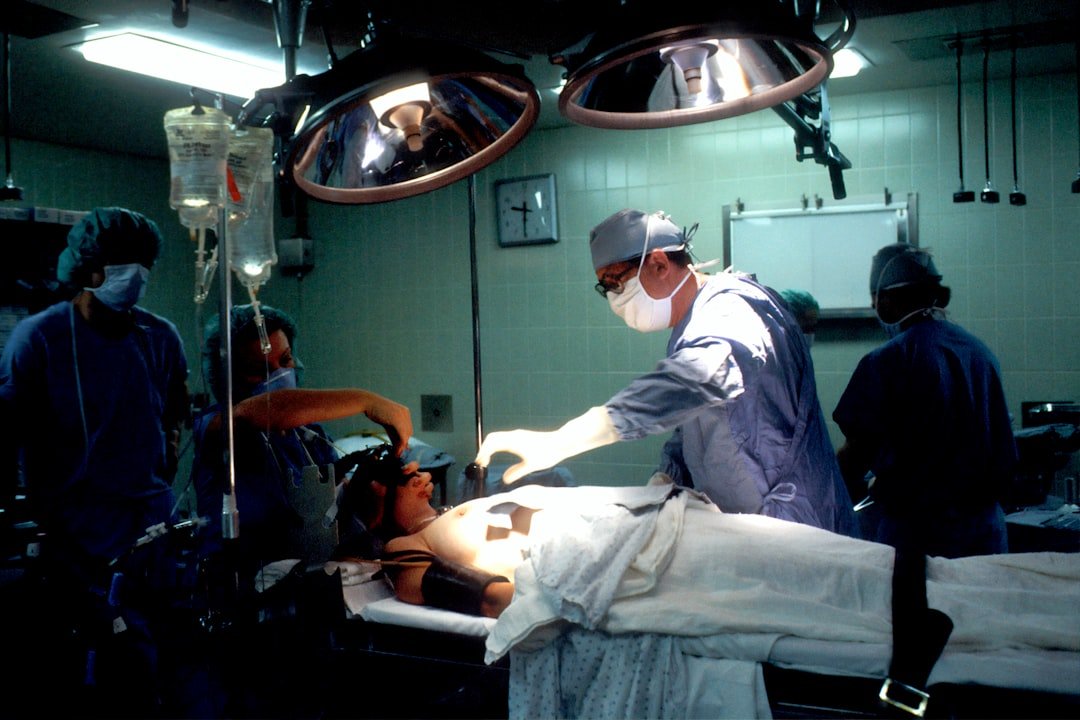
AI is already making a tangible difference in healthcare and dentistry, and by 2026, its practical applications will be even more widespread and integrated. The return on investment (ROI) is demonstrable, not just in financial terms but also in improved patient outcomes and operational efficiency. This isn’t about futuristic fantasies; it’s about current trends evolving into standard practices.
One of the most impactful areas for AI in healthcare and dentistry lies in its ability to analyze complex data and identify patterns that might elude human observation. This translates directly into faster, more accurate diagnoses and the potential for earlier intervention.
Imaging Analysis
AI algorithms excel at sifting through vast amounts of medical imagery. Think X-rays, CT scans, MRIs, and even microscopic dental images.
Radiology Enhancements
Radiologists are already using AI to flag suspicious areas on scans. This doesn’t replace their expertise but acts as a crucial second pair of eyes, reducing the chance of missed diagnoses and speeding up interpretation. For example, AI can be trained to detect subtle signs of pneumonia or early-stage lung nodules with remarkable accuracy. The ROI here is in catching diseases earlier, leading to better treatment success rates and reduced healthcare costs associated with advanced disease management.
Pathology Insights
Similarly, AI can analyze digital pathology slides from biopsies. It can identify cancerous cells, grade tumors, and even predict how a tumor might respond to certain treatments. This speeds up the diagnostic process for pathologists and can provide critical information for oncologists making treatment decisions. The efficiency gains alone represent a significant ROI, allowing labs to process more samples and potentially reducing turnaround times for critical diagnoses.
Dental Image Interpretation
In dentistry, AI is being used to analyze panoramic X-rays (panorex), bitewing radiographs, and intraoral scans.
Caries Detection
AI algorithms can identify early signs of tooth decay, even in its pre-cavitation stage, which might be difficult to spot visually or on conventional X-rays. This allows for minimally invasive interventions, saving teeth and preventing more complex and costly treatments down the line. The ROI here is multifaceted: reduced chair time for restorative procedures, fewer root canals and extractions, and improved patient oral health.
Periodontal Disease Assessment
AI can also assess the extent of periodontal disease by measuring bone loss and gum recession from dental X-rays. This can help dentists identify patients at risk of tooth loss and monitor treatment effectiveness more objectively. Early detection and intervention in periodontal disease can prevent systemic health complications and save significant costs associated with tooth replacement.
Streamlining Workflow and Administrative Tasks
Beyond direct patient care, AI is a powerful tool for improving operational efficiency within healthcare and dental practices. This frees up clinical staff to focus on what matters most: patient interaction and care.
Automation of Repetitive Tasks
Many administrative tasks in healthcare are time-consuming and prone to human error. AI can automate these processes, leading to significant time and cost savings.
Appointment Scheduling and Management
AI-powered chatbots and virtual assistants can handle appointment bookings, cancellations, and reminders. They can also manage waiting lists and even pre-screen patients for certain conditions before their appointment, making the process smoother for both staff and patients. The ROI is evident in reduced administrative overhead and improved patient satisfaction due to more efficient scheduling.
Medical Record Management
AI can assist in organizing and retrieving patient records. It can extract key information from unstructured notes, identify missing data, and even help with coding for billing purposes. This reduces the burden on medical coders and transcriptionists, leading to faster billing cycles and fewer claim denials. The efficiency gains translate directly into financial benefits.
Claims Processing and Revenue Cycle Management
AI can automate the review of insurance claims, identify potential errors, and flag them for correction before submission. This dramatically reduces claim rejections and speeds up the reimbursement process, improving the financial health of practices. The ROI here is in faster cash flow and reduced billing department workload.
Data Analysis for Operational Insights
AI can analyze operational data to identify bottlenecks, predict patient no-shows, and optimize resource allocation.
Resource Optimization
By analyzing historical data on patient flow, appointment durations, and staff availability, AI can help practices optimize staffing levels and equipment utilization. This ensures that resources are available when and where they are needed, reducing idle time and increasing productivity. The ROI is seen in better staff utilization and equipment investment decisions.
Predictive Analytics for Patient Flow
AI can predict patient influx based on historical trends, seasonality, and even external factors like local events. This allows practices to staff accordingly, minimizing patient wait times and maximizing clinician availability. A smoother patient flow leads to happier patients and a more efficient practice.
Enhancing Patient Engagement and Education
AI isn’t just for clinicians; it’s also transforming how patients interact with their healthcare providers and manage their own well-being.
Personalized Patient Communication
AI can tailor communication to individual patient needs and preferences, improving adherence to treatment plans and overall engagement.
AI-Powered Chatbots for Patient Support
Chatbots can answer frequently asked questions about appointments, billing, and general health queries 24/7. They can also provide reminders for medication, follow-up appointments, and preventative care. This improves patient access to information and reduces the workload on human staff. The ROI is in improved patient satisfaction and reduced administrative burden.
Personalized Health Recommendations
AI can analyze patient data to provide personalized health and wellness recommendations. This could include dietary advice, exercise suggestions, or information on managing chronic conditions. In dentistry, this might involve personalized oral hygiene tips based on a patient’s dental history and habits. The ROI is in improved patient outcomes and potentially reduced incidence of preventable conditions.
Patient Education and Empowerment
AI can deliver educational content in engaging and accessible formats, empowering patients to take a more active role in their health.
Interactive Health Information
AI can create interactive modules that explain complex medical procedures or dental conditions in a way that patients can easily understand. This can be delivered through mobile apps or patient portals.
Virtual Health Assistants
These AI tools can guide patients through self-care protocols, track their progress, and provide encouragement, especially helpful for managing chronic conditions or post-operative recovery. This leads to better patient adherence and potentially fewer complications.
Revolutionizing Treatment Planning and Personalization
AI’s ability to process vast datasets allows for highly individualized treatment approaches, moving healthcare away from a one-size-fits-all model.
Precision Medicine in Healthcare
AI is crucial in analyzing genomic data, patient history, and treatment outcomes to identify the most effective therapies for individuals.
Drug Discovery and Development
AI is accelerating the discovery of new drugs by analyzing molecular structures and predicting their efficacy and potential side effects. This dramatically reduces the time and cost associated with traditional drug development. The ROI is in bringing life-saving medications to market faster.
Treatment Pathway Optimization
AI can analyze patient cohorts to identify optimal treatment pathways for specific conditions, considering factors like patient genetics, lifestyle, and comorbidities. This leads to improved treatment effectiveness and reduced adverse events.
Personalized Dental Treatments
In dentistry, AI is enabling more accurate and personalized treatment plans.
Orthodontic Treatment Planning
AI can analyze 3D scans of a patient’s teeth and jaw to create highly precise orthodontic treatment plans, predicting tooth movement and optimizing the design of aligners or braces. This can lead to faster, more predictable orthodontic outcomes and reduced chair time for adjustments. The ROI is in improved treatment efficiency and patient satisfaction.
Implantology and Prosthodontics
AI can assist in planning dental implant placement by analyzing bone density and proximity to vital structures, leading to more successful surgeries. It can also aid in the design of custom prosthetics, ensuring a perfect fit and optimal function. This reduces the risk of complications and the need for revisions, leading to cost savings and better patient experiences.
Advancing Medical and Dental Research
| Use Case | Application | ROI |
|---|---|---|
| Medical Imaging Analysis | X-ray, MRI, CT scan interpretation | Improved accuracy in diagnosis and reduced interpretation time |
| Patient Data Analysis | Electronic Health Records (EHR) analysis | Enhanced patient outcomes and reduced administrative costs |
| Drug Discovery | Identifying potential drug candidates | Accelerated drug development process and reduced research costs |
| Virtual Health Assistants | Chatbots, virtual nurses | Improved patient engagement and reduced healthcare service costs |
| Dental Image Analysis | Dental X-rays, intraoral scans | Enhanced accuracy in diagnosis and treatment planning |
AI is an indispensable tool for researchers, accelerating the pace of discovery and leading to breakthroughs in understanding and treating diseases.
Accelerating Research Through Data Analysis
AI can analyze massive research datasets, identifying correlations and patterns that would be impossible for humans to detect.
Identifying Disease Biomarkers
AI can sift through genomic, proteomic, and clinical data to identify novel biomarkers for early disease detection, prognosis, and treatment response. This is crucial for developing new diagnostic tests and targeted therapies.
Clinical Trial Optimization
AI can help design more efficient clinical trials by identifying suitable patient populations, predicting trial outcomes, and monitoring patient adherence. This can significantly reduce the time and cost of bringing new treatments to market.
Driving Innovation in Dental Technology
AI is a catalyst for innovation in dental materials, instruments, and procedures.
New Material Development
AI can be used to simulate the properties of new dental materials or predict their long-term performance, speeding up the development of stronger, more biocompatible restorations and implants.
Robotic-Assisted Dentistry
While still emerging, AI is a core component of integrating robotics into dental procedures. This could lead to enhanced precision in tasks like minimally invasive surgery or precise placement of materials. The long-term ROI is in improved surgical outcomes and potentially less invasive procedures.
By focusing on these practical use cases, it’s clear that AI in healthcare and dentistry isn’t a distant prospect; it’s a present reality evolving rapidly. By 2026, its integration will be deeper, its benefits more pronounced, and its ROI in terms of both financial savings and improved patient well-being will be undeniable.