








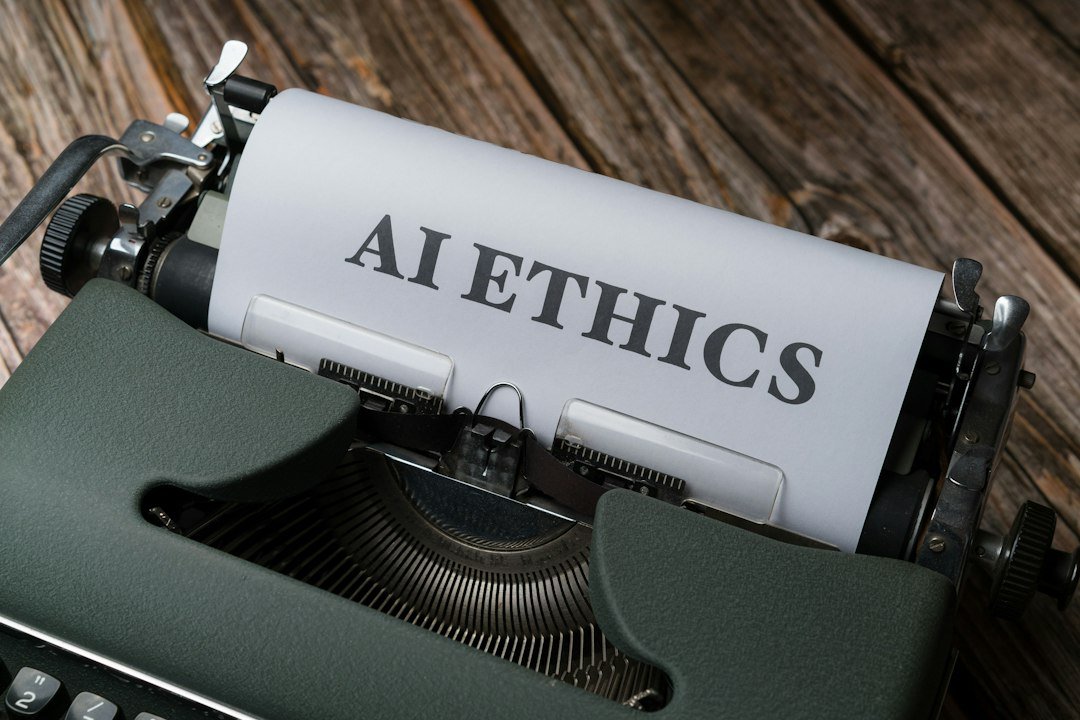
AI can certainly give a leg up to businesses grappling with ethics and compliance. It’s not a silver bullet, mind you, but it offers some seriously practical tools to help organisations navigate the increasingly complex regulatory landscape and uphold their ethical standards. Think of it as a very diligent, tireless assistant, capable of sifting through mountains of data and spotting things that a human might miss, or simply not have the time to find.
The Compliance Tightrope: Where AI Steps In
Staying on the right side of the law and maintaining a strong ethical compass is a constant challenge for businesses, large and small. Regulations are always evolving, global operations add layers of complexity, and the sheer volume of data involved in monitoring compliance can be overwhelming. This is where AI truly shines, offering a means to automate, analyse, and even predict potential issues.
Understanding the Current Landscape of Compliance
Traditionally, compliance has been a very human-intensive process. Teams of lawyers, auditors, and compliance officers would manually review documents, conduct internal investigations, and train staff. While essential, this approach is often reactive and struggles to keep pace with the speed of modern business and the ever-growing torrent of digital information. The cost of non-compliance, both financially and reputationally, can be astronomical, making proactive measures incredibly important. Furthermore, the rise of global businesses means navigating a patchwork of different legal systems and cultural norms, each with its own ethical considerations.
How AI Augments Existing Compliance Efforts
AI isn’t here to replace compliance professionals, but rather to empower them. It acts as a powerful analytical engine, allowing teams to focus on higher-value tasks that require human judgment and strategic thinking. For example, instead of manually reviewing thousands of emails for suspicious keywords, AI can quickly flag a smaller, more relevant subset for human scrutiny. This frees up valuable time and resources, allowing compliance officers to delve deeper into complex cases and provide more nuanced guidance. It’s about working smarter, not just harder.
Practical Applications of AI in Ethics and Compliance
The theoretical benefits of AI are all well and good, but what does this look like in practice? There are several key areas where AI is already making a tangible difference, from identifying potential fraud to ensuring fair business practices.
Automated Policy Monitoring and Enforcement
Imagine a world where your company’s internal policies aren’t just written down, but actively monitored and, where appropriate, enforced. AI can sift through communications, transactions, and other data sources to identify deviations from established guidelines. This could involve flagging instances of unapproved gift-giving, potential conflicts of interest, or even the misuse of company resources.
Detecting Policy Breaches
Natural Language Processing (NLP), a branch of AI, is particularly useful here. It can analyse emails, chat messages, and internal documents for specific phrases or patterns that might indicate a policy breach. For instance, if an employee is discussing a sensitive client deal outside of authorised channels, the AI could flag this for review. Similarly, AI can track access logs and system usage to identify unauthorised data access or unusual activity patterns that could suggest a security breach or data misuse. This moves beyond simple keyword searches, as AI can understand context and nuance, reducing false positives and focusing human attention on genuine concerns.
Ensuring Consistent Application of Rules
One of the biggest challenges in compliance is ensuring that rules are applied consistently across an organisation. Human bias, oversight, or even just differing interpretations can lead to inconsistencies. AI, by its very nature, is impartial. Once programmed with the rules, it applies them uniformly every single time. This ensures fairness and reduces the risk of discrimination or favouritism in enforcement, which is crucial for maintaining trust and a positive ethical culture.
Proactive Risk Identification and Mitigation
Prevention is always better than cure, and AI excels at spotting potential problems before they escalate into full-blown crises. By analysing vast datasets, AI can identify trends, anomalies, and emerging risks that might otherwise go unnoticed.
Predictive Compliance Analytics
This is where AI truly steps into its own. Instead of just reacting to breaches, AI can predict where they might occur. By analysing historical data on past incidents, employee behaviour, and external factors like regulatory changes or economic shifts, AI can build predictive models. These models can then highlight departments, roles, or even individuals who might be at a higher risk of non-compliance in the future. For example, if a particular team consistently lags on mandatory training or reports higher numbers of minor policy infractions, the AI could flag them for targeted intervention or additional support, preventing more serious issues down the line.
Early Warning Systems for Regulatory Changes
Regulations are in constant flux, especially in industries like finance and healthcare. Keeping up with these changes is a massive undertaking. AI-powered systems can continuously monitor legal databases, governmental publications, and news sources to identify upcoming regulatory changes that might impact the business. It can then alert the relevant compliance teams, allowing them to proactively assess the implications and adjust internal policies and procedures before the new regulations come into effect. This proactive approach saves time, reduces scramble, and minimises the risk of inadvertent non-compliance.
Enhancing Due Diligence and Third-Party Risk Management
Working with external partners, suppliers, and clients introduces a whole host of new compliance risks. AI can significantly streamline and strengthen the due diligence process.
Automated Vetting of Third Parties
Before entering into any agreement, businesses need to thoroughly vet potential partners to ensure they meet ethical standards and are not involved in illicit activities. AI can automate much of this process by rapidly sifting through publicly available information, news articles, sanctions lists, and regulatory filings. It can identify red flags such as past legal issues, involvement in money laundering, or associations with politically exposed persons (PEPs) much faster and more comprehensively than human analysts ever could. This not only speeds up the due diligence process but also improves its accuracy and depth.
Ongoing Monitoring of Supplier Networks
The risk doesn’t end once a contract is signed. Suppliers can change their practices, their ownership might shift, or they could become embroiled in scandals. AI can provide continuous monitoring of your supply chain. It can track news feeds, financial health indicators, and even social media sentiment related to your key suppliers, alerting you to any emerging risks in real-time. This allows businesses to react quickly to potential issues, mitigating reputational damage and ensuring their supply chain remains ethical and compliant.
Ethical Considerations of Using AI in Compliance
While AI offers immense benefits, its deployment in such sensitive areas as ethics and compliance isn’t without its own set of challenges and ethical dilemmas. It’s crucial to approach this with a clear understanding of the potential pitfalls.
Addressing Bias in AI Algorithms
One of the most significant concerns is the potential for AI algorithms to perpetuate or even amplify existing biases. AI learns from the data it’s fed, and if that data reflects historical biases – for example, biased hiring practices or discriminatory enforcement – the AI will learn and replicate those biases.
Source and Quality of Training Data
The old adage “garbage in, garbage out” is particularly relevant here. If the data used to train an AI model for compliance contains historical biases, the AI will learn and perpetuate them. For example, if past enforcement actions disproportionately targeted certain demographics, an AI trained on that data might unfairly flag individuals from those demographics as higher risk. Ensuring diverse, representative, and carefully curated training data is paramount. This often requires significant human oversight to identify and mitigate biases in the data collection and labelling processes. Regular audits of the training data and the AI’s performance are essential to catch and correct these biases before they cause harm.
Transparency and Explainability
If an AI flags an employee for a potential ethics violation, that employee deserves to know why. Black-box AI models, where the decision-making process is opaque, are problematic in compliance. There’s a strong need for “explainable AI” (XAI), where the AI can articulate the reasons behind its recommendations or conclusions. This transparency is crucial for fairness, accountability, and maintaining trust within the organisation. Without it, employees might feel unfairly targeted or that the system is arbitrary, undermining the very ethical culture the AI is supposed to uphold. Explanations also allow human compliance officers to scrutinise the AI’s logic and identify potential biases or errors in its reasoning.
Data Privacy and Security Implications
Using AI in compliance often involves processing vast amounts of sensitive personal data. This raises serious questions about privacy and data security.
Protecting Sensitive Employee Data
Compliance monitoring often requires access to employee communications, financial transactions, and other personal data. Implementing robust data encryption, access controls, and anonymisation techniques is non-negotiable. Organisations must be incredibly careful about who has access to this data and how it’s used. A data breach involving compliance data could have devastating consequences, not just legally but also in terms of employee trust and morale. Clear policies on data retention, deletion, and the purpose limitation of data use are also essential to ensure compliance with regulations like GDPR.
Ensuring GDPR and Other Regulatory Compliance
Beyond general data security, specific regulations like the General Data Protection Regulation (GDPR) in the UK and EU impose strict rules on how personal data is collected, processed, and stored. Businesses deploying AI for compliance must ensure their systems and practices are fully compliant. This includes obtaining appropriate consent where necessary, conducting Data Protection Impact Assessments (DPIAs), and ensuring individuals have the right to access, rectify, or erase their data. The legal basis for processing such data for compliance purposes must be clearly established and communicated.
Integrating AI into Your Compliance Framework
Simply buying an AI tool isn’t enough; successful implementation requires careful planning, integration, and ongoing management. It’s a strategic shift, not just a technological one.
Building a Robust AI Strategy
Before diving in, organisations need a clear strategy that aligns AI deployment with their broader ethical and compliance goals. This isn’t a bolt-on solution; it needs to be woven into the fabric of the business.
Defining Clear Objectives and Scope
What exactly do you want the AI to achieve? Are you looking to reduce fraud, improve regulatory adherence, or foster a stronger ethical culture? Clearly defined objectives will guide the selection of AI tools, the data you collect, and the metrics you use to measure success. Avoid trying to solve everything at once; start with a focused project that has a clear problem statement and measurable outcomes. For example, you might begin by using AI to analyse expense reports for anomalies, before expanding to broader fraud detection.
Phased Implementation and Pilot Programmes
It’s rarely a good idea to roll out a complex AI system across an entire organisation overnight. A phased approach, starting with pilot programmes in specific departments or for particular use cases, allows for testing, refinement, and learning. This reduces risk, helps identify unforeseen challenges, and allows the organisation to build expertise incrementally. Gather feedback from users, iterate on the system, and demonstrate tangible value before scaling up.
Training and Cultural Adoption
Technology alone won’t deliver results if the people aren’t on board. Effective training and a supportive cultural environment are critical for successful AI integration.
Upskilling Compliance Professionals
AI isn’t meant to replace compliance professionals, but it will change their roles. They’ll need new skills, such as understanding AI outputs, interpreting data visualisations, and even basic data science concepts. Investing in training to upskill these teams is essential. They need to understand how the AI works, its limitations, and how to effectively leverage its insights to make better-informed decisions. This also helps build confidence and reduces resistance to new technologies.
Fostering a Culture of Ethical AI Use
Beyond technical training, organisations need to foster a culture that embraces ethical AI use. This means establishing clear guidelines for AI deployment, promoting open dialogue about its impact, and ensuring that human oversight remains central. Employees need to understand that AI is a tool to support ethical behaviour and compliance, not a “big brother” spying on them. Encouraging feedback and addressing concerns openly will build trust and increase adoption. The ethical framework governing the AI should be a living document, regularly reviewed and updated.
The Future Landscape: AI and Evolving Compliance
The journey of AI in compliance is only just beginning. As AI technologies mature and regulatory landscapes continue to evolve, we can expect even more sophisticated applications and challenges.
Adapting to New Regulatory Frameworks
Governments worldwide are beginning to grapple with regulating AI itself, particularly in areas concerning ethics, bias, and accountability. Businesses will need to stay abreast of these emerging AI-specific regulations.
AI-Specific Regulations and Standards
The EU’s proposed AI Act, for instance, categorises AI systems by risk level and imposes different compliance requirements. Similar initiatives are emerging globally. Businesses using AI for compliance will need to ensure their AI systems comply with these new regulations, which might involve stringent testing, documentation, and continuous monitoring for bias. This adds another layer of complexity to the compliance challenge itself, where the tools used for compliance must also be compliant. Developing internal standards and best practices for responsible AI use will be crucial.
The Role of AI in Auditing AI Systems
It’s a bit meta, but AI may also play a crucial role in auditing other AI systems for compliance. Imagine AI tools designed to specifically check for bias in algorithms, verify data integrity, or ensure adherence to AI ethics principles. This could provide a scalable and efficient way to ensure that the very tools we use for compliance are themselves operating ethically and lawfully. This area is still nascent but holds significant promise for ensuring responsible AI deployment.
The Human-AI Collaboration Imperative
Ultimately, the most effective compliance frameworks will be those that leverage the strengths of both humans and AI, creating a symbiotic relationship.
Augmenting Human Judgment, Not Replacing It
AI should be seen as an intelligent assistant that augments human judgment, providing insights and flagging issues that humans might miss. It should not be viewed as a replacement for the critical thinking, ethical reasoning, and nuanced decision-making that only humans can provide. The final decision, especially in complex ethical dilemmas, must always rest with a human. The collaboration ensures that the objectivity and processing power of AI are combined with the empathy, experience, and moral compass of human compliance professionals.
Continuous Learning and Adaptation
Both humans and AI need to continuously learn and adapt. The regulatory environment is dynamic, and new ethical challenges are constantly emerging. AI models need to be regularly updated and retrained with new data to remain effective. Similarly, compliance professionals need ongoing training to understand new regulations, AI capabilities, and emerging ethical considerations. This iterative process of learning, adapting, and refining will be key to building truly resilient and future-proof compliance frameworks. It’s a journey of continuous improvement, where the synergy between human and artificial intelligence drives better ethical and compliant outcomes.