








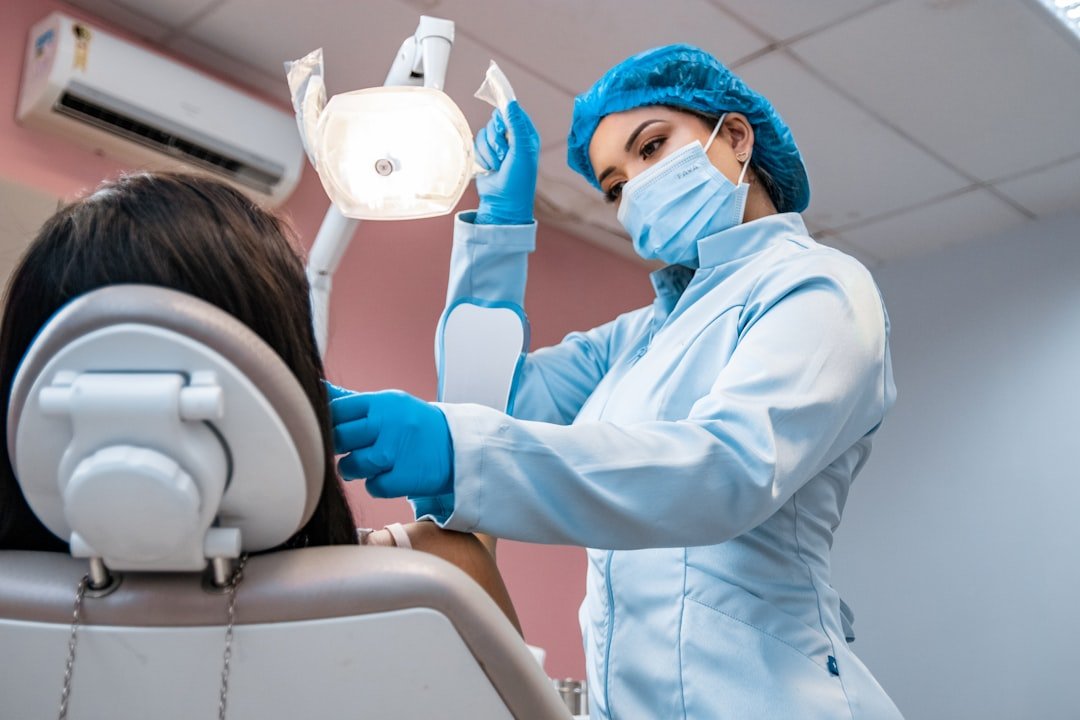
Sustainable dentistry is gaining traction as both practitioners and patients become increasingly aware of the environmental impact of dental practices. This shift is not merely a trend; it reflects a growing commitment to reducing waste, conserving resources, and promoting health in a more holistic manner. As dental professionals seek to align their practices with eco-friendly principles, they are discovering that sustainability can enhance patient care while also benefiting the planet.
The rise of sustainable dentistry is driven by several factors, including heightened public awareness of climate change and environmental degradation. Patients are now more inclined to choose dental practices that demonstrate a commitment to sustainability. This has prompted many dental professionals to rethink their operations, from the materials they use to the technologies they adopt. As a result, sustainable dentistry is becoming an integral part of modern dental care, blending traditional practices with innovative approaches that prioritise environmental responsibility.
Embracing Digital Workflows in Dentistry
Digital workflows are revolutionising the way dental practices operate, offering a more efficient and sustainable approach to patient care. By integrating technology into everyday procedures, dentists can streamline processes, reduce waste, and improve overall patient experiences. Digital tools such as CAD/CAM systems, 3D printing, and electronic health records not only enhance accuracy but also minimise the need for physical materials, which can contribute to environmental waste.
Moreover, digital workflows facilitate better communication between dental teams and patients. For instance, digital imaging allows for immediate feedback and collaboration, reducing the time spent on traditional methods that often involve physical models and impressions. This shift not only saves time but also decreases the amount of material used in the process, aligning with sustainable practices. As more dental professionals embrace these technologies, the potential for a greener future in dentistry becomes increasingly tangible.
Eco-Friendly Materials in Dentistry
The choice of materials used in dental procedures plays a significant role in the sustainability of practices. Traditional materials often contain harmful chemicals and contribute to environmental pollution. In contrast, eco-friendly materials are designed to be less harmful to both patients and the environment. For example, biocompatible composites and recycled materials are becoming more prevalent in restorative dentistry, offering effective alternatives without compromising quality.
Additionally, many manufacturers are now focusing on producing sustainable dental products that meet rigorous safety standards while minimising environmental impact. These materials not only reduce waste but also promote healthier outcomes for patients. As awareness grows about the benefits of eco-friendly materials, more dental practices are making the switch, contributing to a broader movement towards sustainability in healthcare.
The Environmental Impact of Traditional Dentistry
Traditional dentistry has long been associated with significant environmental challenges. The use of single-use plastics, chemical waste from dental procedures, and energy consumption in dental offices all contribute to a larger ecological footprint. For instance, disposable items such as gloves, masks, and suction tips often end up in landfills, where they can take years to decompose.
Moreover, the chemicals used in dental treatments can pose risks not only to patients but also to the environment. Many dental materials contain substances that can leach into water systems or contribute to air pollution during production. Recognising these issues is crucial for dental professionals who wish to adopt more sustainable practices. By understanding the environmental impact of traditional methods, dentists can make informed choices that benefit both their patients and the planet.
Advantages of Sustainable Dentistry Practices
| Metrics | Data |
|---|---|
| Number of dental practices adopting digital workflows | Increasing |
| Percentage of eco-friendly materials used in dental procedures | Rising |
| Reduction in paper usage due to digital record-keeping | Significant |
| Number of patients choosing sustainable dentistry options | Growing |
Adopting sustainable dentistry practices offers numerous advantages beyond environmental benefits. For one, these practices can lead to cost savings for dental offices. By reducing waste and optimising resource use, practices can lower their operational costs over time. This financial incentive can be particularly appealing for small or independent dental practices looking to maintain profitability while being environmentally conscious.
Additionally, sustainable practices can enhance patient satisfaction and loyalty. Patients are increasingly seeking out healthcare providers who share their values regarding sustainability and environmental responsibility. By demonstrating a commitment to eco-friendly practices, dental professionals can build stronger relationships with their patients and attract new clientele who prioritise sustainability in their healthcare choices.
Implementing Green Initiatives in Dental Practices
Implementing green initiatives in dental practices requires a thoughtful approach that considers both immediate changes and long-term strategies. One effective starting point is conducting an audit of current practices to identify areas where waste can be reduced or resources can be conserved. This might involve switching to digital records instead of paper files or investing in energy-efficient equipment.
Training staff on sustainability principles is also essential for fostering a culture of environmental responsibility within the practice. Engaging team members in discussions about eco-friendly practices can lead to innovative ideas and solutions that benefit both the practice and the environment. Furthermore, involving patients in these initiatives—such as encouraging them to bring their own reusable containers for take-home products—can create a sense of community around sustainability efforts.
The Role of Technology in Sustainable Dentistry
Technology plays a pivotal role in advancing sustainable dentistry by providing tools that enhance efficiency and reduce waste. For example, digital imaging technologies allow for precise diagnostics without the need for traditional film or excessive materials. This not only streamlines workflows but also minimises the environmental impact associated with chemical processing.
Moreover, advancements in tele-dentistry have made it possible for patients to receive consultations remotely, reducing the need for travel and associated carbon emissions. By leveraging technology effectively, dental practices can significantly lower their ecological footprint while still delivering high-quality care to their patients.
Dentistry’s Shift Towards Eco-Friendly Practices
The shift towards eco-friendly practices in dentistry is not just a passing trend; it reflects a fundamental change in how dental professionals view their responsibilities towards the environment. Many organisations and associations are now advocating for sustainable practices within the industry, providing resources and guidelines for dentists looking to make a difference.
This shift is also evident in educational programmes for future dentists. Many dental schools are incorporating sustainability into their curricula, ensuring that new practitioners are equipped with the knowledge and skills needed to implement eco-friendly practices from the outset of their careers. As this new generation of dentists enters the workforce, they bring with them a commitment to sustainability that will continue to shape the future of dentistry.
Sustainable Dentistry: A Growing Trend
Sustainable dentistry is rapidly becoming a growing trend within the healthcare sector as more practitioners recognise its importance. This movement is not limited to individual practices; it encompasses entire networks and organisations committed to promoting eco-friendly initiatives across the industry. Conferences and workshops focused on sustainability are becoming more common, providing platforms for sharing best practices and innovative ideas.
As public awareness of environmental issues continues to rise, patients are increasingly seeking out dental providers who prioritise sustainability. This demand is driving change within the industry as practitioners strive to meet patient expectations while also contributing positively to the environment. The growing trend towards sustainable dentistry is indicative of a broader societal shift towards responsible consumption and environmental stewardship.
How Digital Workflows Enhance Sustainability in Dentistry
Digital workflows enhance sustainability in dentistry by streamlining processes and reducing reliance on physical materials. For instance, digital impressions eliminate the need for traditional moulds made from alginate or silicone, which often end up as waste after use. Instead, digital scans provide accurate representations of patients’ teeth without generating excess material.
Additionally, digital records reduce paper usage significantly, allowing practices to operate more efficiently while minimising their ecological footprint. The integration of technology into everyday workflows not only improves patient care but also aligns with sustainable principles by conserving resources and reducing waste throughout the practice.
The Future of Sustainable Dentistry
The future of sustainable dentistry looks promising as more practitioners embrace eco-friendly practices and technologies. As awareness continues to grow about the importance of sustainability in healthcare, we can expect further innovations that prioritise both patient care and environmental responsibility. This may include advancements in biodegradable materials or even new technologies that further reduce waste.
Moreover, as regulatory bodies begin to implement stricter guidelines regarding environmental impact within healthcare settings, dental practices will need to adapt accordingly. The proactive adoption of sustainable practices will not only ensure compliance but also position practices as leaders in an evolving industry focused on health—both for patients and the planet.
In conclusion, sustainable dentistry is not just an emerging trend; it represents a necessary evolution within the field that prioritises both patient care and environmental stewardship. By embracing digital workflows, eco-friendly materials, and green initiatives, dental professionals can contribute positively to their communities while ensuring a healthier planet for future generations.