








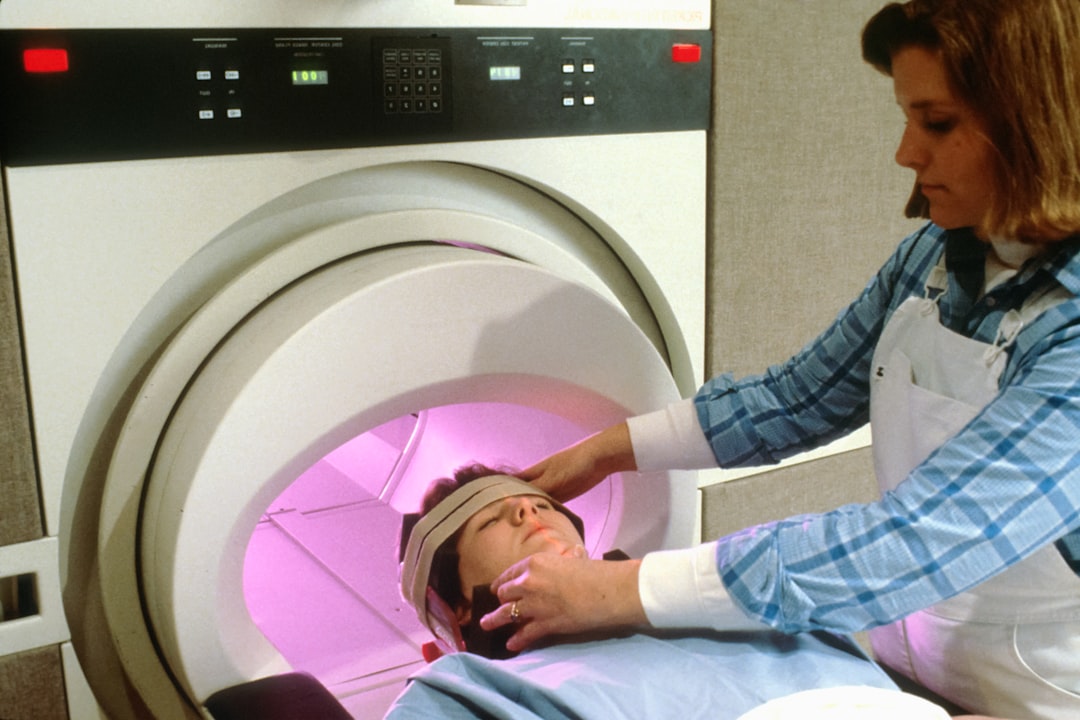
Artificial Intelligence (AI) is making significant strides in various fields, and dentistry is no exception. AI-powered diagnostic imaging analysis is transforming how dental professionals detect and diagnose oral health issues. By leveraging advanced algorithms and machine learning, these systems can analyse images with remarkable precision, offering insights that may not be immediately apparent to the human eye. This technology is not just a passing trend; it’s becoming an integral part of modern dental practices, enhancing both the accuracy of diagnoses and the overall patient experience.
As dental professionals increasingly adopt AI tools, the implications for patient care are profound. From early detection of cavities to identifying signs of periodontal disease, AI is helping dentists make more informed decisions. This article will explore the importance of these advancements, the accuracy of AI systems, and the future of AI in dentistry, providing a comprehensive overview of how this technology is reshaping the landscape of dental diagnostics.
Understanding the importance of detecting cavities and periodontal disease
Cavities and periodontal disease are two of the most common dental issues affecting patients worldwide. Cavities, caused by tooth decay, can lead to pain, infection, and even tooth loss if not treated promptly. On the other hand, periodontal disease, which affects the gums and supporting structures of the teeth, can result in serious health complications if left unchecked. Early detection of these conditions is crucial for effective treatment and prevention.
Detecting cavities early can significantly reduce the need for invasive procedures. When identified in their initial stages, cavities can often be treated with simple fillings rather than more extensive interventions like root canals or extractions. Similarly, early diagnosis of periodontal disease allows for timely intervention, which can prevent further deterioration of oral health and even systemic health issues linked to gum disease. Therefore, having reliable diagnostic tools is essential for dentists to provide optimal care.
How AI technology is revolutionising diagnostic imaging analysis in dentistry
AI technology is revolutionising diagnostic imaging analysis by enhancing the way dental professionals interpret radiographs and other imaging modalities. Traditional methods rely heavily on the dentist’s experience and expertise, which can sometimes lead to missed diagnoses or misinterpretations. AI systems, however, are designed to learn from vast datasets of dental images, allowing them to identify patterns and anomalies that may escape human observation.
These AI systems employ deep learning algorithms that continuously improve as they process more data. This means that over time, they become increasingly adept at recognising signs of cavities and periodontal disease. The integration of AI into diagnostic imaging not only streamlines the analysis process but also provides dentists with a second opinion that can bolster their confidence in diagnosis and treatment planning.
The remarkable accuracy of AI-powered systems in detecting cavities
One of the standout features of AI-powered diagnostic imaging systems is their remarkable accuracy in detecting cavities. Studies have shown that these systems can achieve detection rates comparable to or even exceeding those of experienced dental professionals. By analysing thousands of images, AI algorithms can pinpoint early signs of decay that might be overlooked during a routine examination.
The accuracy of these systems is particularly beneficial in paediatric dentistry, where early intervention can prevent more severe issues later on. Children are often less able to articulate discomfort or pain associated with cavities, making it crucial for dentists to rely on accurate imaging analysis. With AI’s ability to detect subtle changes in tooth structure, dentists can intervene sooner, ensuring better outcomes for young patients.
The role of AI in early detection and prevention of periodontal disease
| Metrics | Results |
|---|---|
| Accuracy of AI-powered diagnostic imaging analysis | Remarkable |
| Conditions detected | Cavities and periodontal disease |
| Application | Dentistry |
AI’s role extends beyond cavity detection; it is also instrumental in the early identification and prevention of periodontal disease. By analysing imaging data alongside patient history and clinical findings, AI systems can assess risk factors and predict the likelihood of developing gum disease. This proactive approach allows dentists to implement preventive measures before significant damage occurs.
For instance, AI can help identify patients who may benefit from more frequent cleanings or additional education on oral hygiene practices. By personalising care based on individual risk profiles, dental professionals can enhance patient outcomes and reduce the prevalence of periodontal disease within their practice. This shift towards preventive care is a significant advancement in dentistry, aligning with broader healthcare trends focused on early intervention.
Advantages of using AI-powered diagnostic imaging analysis in dentistry
The advantages of incorporating AI-powered diagnostic imaging analysis into dental practices are numerous. Firstly, these systems enhance diagnostic accuracy, reducing the likelihood of misdiagnosis and ensuring that patients receive appropriate treatment promptly. This not only improves patient outcomes but also fosters trust between patients and their dental providers.
Additionally, AI technology can increase efficiency within dental practices. By automating the analysis process, dentists can save time that would otherwise be spent interpreting images manually. This efficiency allows practitioners to see more patients without compromising the quality of care. Furthermore, with AI handling routine analyses, dental professionals can focus on more complex cases that require their expertise.
Challenges and limitations of AI technology in dental diagnostic imaging
Despite its many benefits, the integration of AI technology into dental diagnostic imaging is not without challenges. One significant concern is the need for high-quality data to train these algorithms effectively. Inconsistent or poor-quality images can lead to inaccurate results, undermining the reliability of AI systems. Therefore, ensuring that dental practices maintain high standards for imaging is crucial for successful implementation.
Another challenge lies in the acceptance of AI technology among dental professionals. Some practitioners may be hesitant to rely on machines for diagnosis due to concerns about losing their clinical judgement or skills. It’s essential for dental education programs to address these concerns by emphasising that AI is a tool designed to assist rather than replace human expertise.
The future of AI in dentistry and its potential impact on patient care
Looking ahead, the future of AI in dentistry appears promising. As technology continues to evolve, we can expect even more sophisticated algorithms capable of analysing a broader range of conditions beyond cavities and periodontal disease. This expansion could lead to comprehensive diagnostic tools that encompass various aspects of oral health.
Moreover, as AI becomes more integrated into dental practices, we may see a shift towards more personalised patient care. With data analytics capabilities, dentists could tailor treatment plans based on individual patient profiles and risk factors. This level of customisation has the potential to enhance patient satisfaction and improve overall health outcomes.
Integrating AI-powered systems into dental practices
Integrating AI-powered systems into dental practices requires careful planning and consideration. First and foremost, dental professionals must invest in training to ensure they understand how to use these technologies effectively. Familiarity with AI tools will enable practitioners to leverage their full potential while maintaining their clinical judgement.
Additionally, practices should consider collaborating with technology providers who offer ongoing support and updates for their AI systems. This partnership can help ensure that the technology remains current and effective as new advancements emerge. Furthermore, establishing protocols for data management and patient privacy will be essential as practices adopt these innovative tools.
Ethical considerations and patient privacy in AI-powered diagnostic imaging analysis
As with any technology that handles sensitive information, ethical considerations surrounding patient privacy are paramount in AI-powered diagnostic imaging analysis. Dental practices must ensure that they comply with regulations regarding data protection and patient confidentiality. This includes implementing robust security measures to safeguard patient information from unauthorised access.
Moreover, transparency is crucial when using AI in diagnostics. Patients should be informed about how their data will be used and how AI contributes to their care. Building trust through clear communication will be essential as dental practices navigate this new landscape.
The potential of AI in transforming dental diagnosis and treatment
In conclusion, AI-powered diagnostic imaging analysis holds immense potential for transforming dental diagnosis and treatment. By enhancing accuracy in detecting cavities and periodontal disease while promoting early intervention strategies, this technology is poised to improve patient outcomes significantly. While challenges remain regarding integration and ethical considerations, the benefits far outweigh the drawbacks.
As we look towards the future, it’s clear that embracing AI in dentistry will not only streamline processes but also elevate the standard of care provided to patients. With ongoing advancements in technology and a commitment to ethical practices, the integration of AI into dental diagnostics promises a brighter future for both practitioners and patients alike.