






Here’s a look at what AI might bring to radiology and medical imaging in 2026, keeping it practical and to the point.
AI’s Role in Radiology: More Than Just Hype
So, what’s the real deal with AI in radiology and medical imaging by 2026? It’s going to be about integration and refinement, not a complete overhaul. Think of AI as a sophisticated assistant that’s getting smarter and more embedded into workflows. It won’t replace radiologists, but it will significantly augment their capabilities, making diagnoses more streamlined and potentially more accurate. The focus will be on practical applications that address current challenges in efficiency, workload, and diagnostic precision.
Enhancing Diagnostics: Spotting the Unseen
AI’s primary impact in the near future will be in enhancing diagnostic capabilities. This isn’t about AI suddenly becoming a better doctor, but about it helping human experts see more and interpret images faster.
Early Detection and Subtle Findings
- Nodules and Lesions: AI algorithms are already showing promise in identifying subtle lung nodules or early signs of breast cancer that might be missed or take longer to spot in crowded scans. By 2026, expect these tools to be more robust and integrated into screening programs.
- Quantification: AI excels at quantifying changes over time. This is crucial for tracking the progression of conditions like liver fibrosis or the growth of brain tumors. Algorithms will automate this process, freeing up radiologist time.
Beyond Simple Detection: Predictive Insights
- Risk Stratification: AI can analyze imaging data alongside other patient information to predict the likelihood of a condition developing or progressing. This could lead to more personalized screening schedules and early interventions.
- Treatment Response: Predicting how a patient will respond to a specific treatment based on their imaging characteristics is a growing area. By 2026, AI may offer more reliable insights into treatment effectiveness.
Workflow Optimization: Making Radiologists’ Lives Easier
One of the most immediate and practical benefits of AI will be in streamlining the daily tasks of radiologists, helping to alleviate burnout and improve turnaround times.
Triage and Prioritization
- Critical Finding Alerts: AI can scan large batches of images and flag potential critical findings – like a stroke or pulmonary embolism – for immediate radiologist review. This ensures that urgent cases are addressed without delay.
- Worklist Management: Intelligent scheduling and prioritization of studies based on suspected urgency will become more common, helping to optimize the flow of patients through the radiology department.
Image Analysis Automation
- Automated Measurements: Routine measurements, such as cardiac chamber volumes or tumor dimensions, can be time-consuming. AI will increasingly handle these tasks.
- Report Generation Assistance: While AI won’t write final reports, it can pre-populate reports with standard findings, measurements, and comparisons to prior studies, acting as a powerful dictation assistant.
Improving Image Quality and Acquisition
AI isn’t just about analyzing images; it’s also about making the process of acquiring them better and more efficient.
Reduced Scan Times and Radiation Doses
- Reconstruction Techniques: AI can reconstruct high-quality images from lower-dose or faster scans. This is particularly beneficial in CT and MRI, where reducing radiation exposure and scan duration is paramount.
- Artifact Reduction: AI algorithms can identify and correct common imaging artifacts, leading to clearer, more interpretable images without requiring rescans.
Standardized Imaging Protocols
- Protocol Optimization: AI can analyze imaging series and suggest optimal acquisition parameters based on diagnostic task and patient anatomy, leading to more consistent image quality across different technologists and sites.
- AI-Assisted Guidance: During acquisition, AI might provide real-time feedback to technologists, ensuring correct patient positioning and optimal image capture.
The Expanding Universe of AI Applications
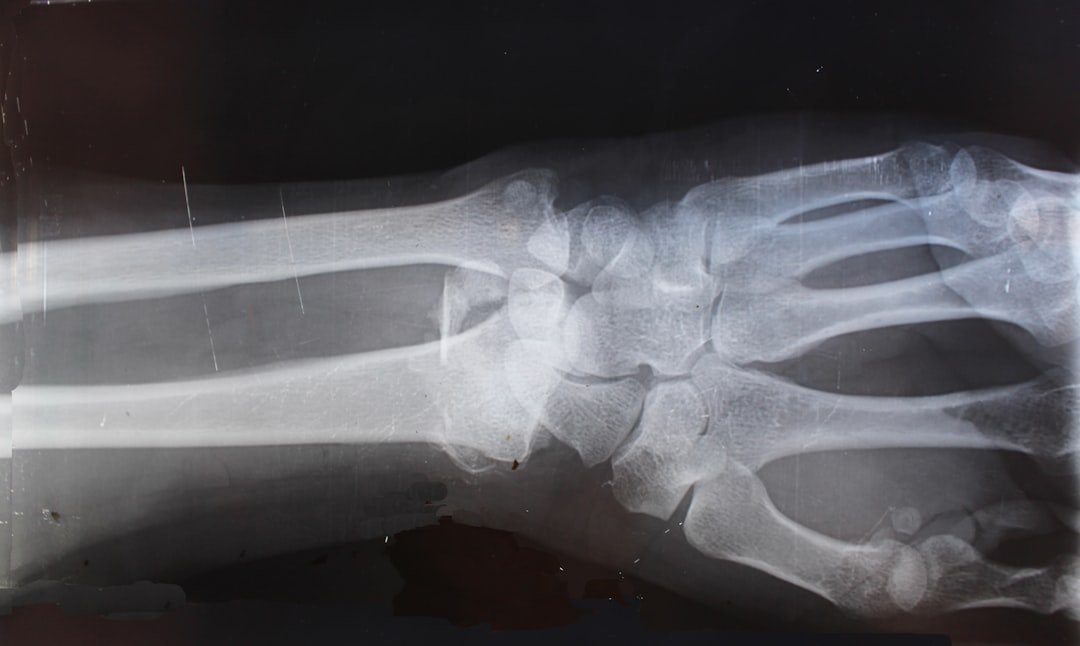
While X-rays, CT, and MRI are key, AI’s reach in medical imaging is much broader. Expect to see its influence grow in other modalities.
Beyond Traditional Imaging
- Ultrasound Analysis: AI is being developed to assist in the analysis of ultrasound images, aiding in the detection of abnormalities in organs like the liver, thyroid, and prostate.
- Pathology Slide Analysis: While not strictly radiology, AI is revolutionizing digital pathology by assisting in the analysis of tissue samples, which often complements radiologic findings.
- Ophthalmology: AI is already making significant strides in analyzing retinal scans for conditions like diabetic retinopathy.
Integrating Multi-Modal Data
- Bridging Modalities: AI’s ability to synthesize information from different sources is key. Imagine AI combining imaging data with genomic information or electronic health records to provide a more holistic patient picture.
- Personalized Medicine: By understanding patterns across diverse data sets, AI can help tailor treatment plans and preventative strategies to individual patients.
Challenges and the Path Forward
It’s not all smooth sailing. Integrating AI into clinical practice comes with its own set of hurdles that need careful consideration and ongoing work.
Regulatory and Ethical Considerations
- FDA Approval and Validation: Gaining regulatory approval for AI-driven medical devices is a complex and evolving process. By 2026, we’ll see more established pathways but also ongoing refinement of these standards.
- Bias and Fairness: Ensuring that AI algorithms are equitable and do not perpetuate existing biases in healthcare data is a critical ethical imperative. Research and development will continue to focus on bias mitigation.
- Data Privacy and Security: Protecting sensitive patient data used to train and operate AI systems is paramount. Robust security measures and clear data governance policies will be essential.
Implementation and Workforce Adaptation
- Integration into PACS and EMRs: Seamless integration of AI tools into existing Picture Archiving and Communication Systems (PACS) and Electronic Medical Record (EMR) systems is crucial for practical adoption. This is an ongoing technical challenge.
- Radiologist Training and Education: Radiologists will need to understand how AI tools work, their limitations, and how to effectively use them in their daily practice. Educational programs are evolving to meet this need.
- Cost and Accessibility: The cost of developing, implementing, and maintaining AI systems can be a barrier. Ensuring that these technologies become accessible and affordable across different healthcare settings will be important.
- The Role of the Radiologist: Reassuringly, the consensus is that AI will not replace radiologists but will augment their skills. The radiologist’s expertise in clinical context, differential diagnosis, and patient communication remains indispensable. AI will handle the more exhaustive, repetitive, or computationally intensive tasks, allowing radiologists to focus on complex cases and patient care.
Looking Ahead to 2026 and Beyond
By 2026, AI in radiology and medical imaging will move from pilot projects and niche applications to being a more integrated and expected part of the diagnostic process. We’ll see a greater emphasis on AI solutions that demonstrably improve efficiency, accuracy, and patient outcomes, backed by sound clinical validation and a clear understanding of their practical roles. The focus will be on AI as a powerful, reliable tool empowering radiologists, not replacing them. This evolution promises a more precise, efficient, and ultimately, a more patient-centered future for medical imaging.