








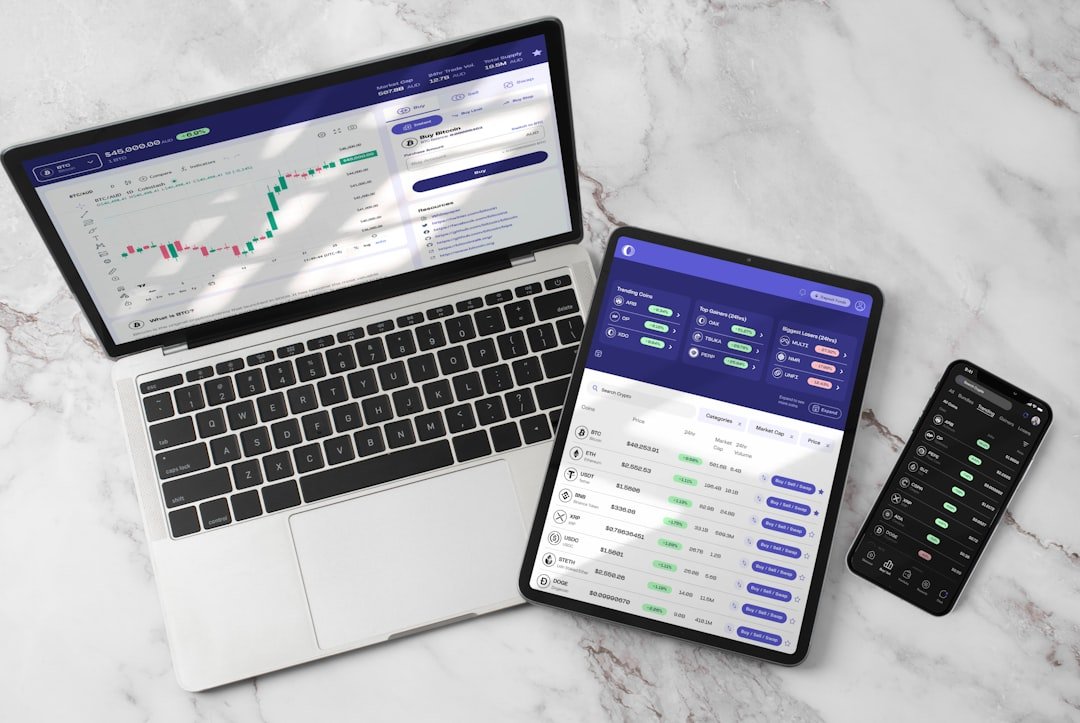
AI-powered finance and budgeting apps are proving to be real game-changers for everyday users in 2026, moving beyond simple tracking to offer genuinely intelligent assistance. They’re not just showing you where your money goes; they’re actively helping you make smarter decisions, automate tedious tasks, and even tap into financial opportunities you might have missed.
Forget manually categorizing every transaction. In 2026, AI apps take the grunt work out of understanding your spending habits. They can analyze your transaction history with remarkable accuracy, identifying patterns and providing insights that a human simply wouldn’t have the time or inclination to uncover.
Contextual Spending Analysis
- Real-time Trend Spotting: Instead of looking back at a whole month, these apps can flag emerging spending trends as they happen. If you’re suddenly spending more on dining out or online shopping than usual, the AI will notice and alert you, giving you a chance to course-correct before it becomes a significant issue.
- Behavioral Nudges: The AI learns your typical spending behaviors. If you consistently overspend in a particular category, it might offer nudges like, “You’ve spent 20% more on subscriptions this month than last. Would you like to review your active subscriptions?” This proactive approach empowers you to make informed choices in the moment.
- Identifying “Hidden” Expenses: AI can dig deeper than simple categories. It can identify recurring, smaller expenses that might otherwise go unnoticed. Think about those little daily coffee purchases or streaming service subscriptions that add up. The AI can quantify their cumulative impact, making it easier to assess their value.
Personalized Category Recommendations
- Automated Categorization with Learning: While many apps offer auto-categorization, 2026 versions are far more sophisticated. They learn from your manual corrections, becoming incredibly accurate over time. If you always categorize your grocery store purchases under “Groceries,” the AI will eventually remember and apply it automatically to new transactions.
- Suggesting New Categories: The AI can also suggest new, more relevant categories based on your spending. For example, if you’re frequently buying craft supplies, it might suggest a “Hobbies” or “DIY Projects” category, allowing for more granular tracking and budgeting.
Proactive Budgeting and Forecasting: Planning for What’s Next
Budgeting in 2026 isn’t just about setting arbitrary limits. AI apps are making it a dynamic and predictive process, helping you anticipate future financial needs and opportunities.
Dynamic Budget Adjustments
- Income Fluctuation Adaptation: For those with variable income, AI-powered apps can automatically adjust your budget based on your current income levels. If your earnings are lower in a given month, the app can suggest adjustments to discretionary spending categories to maintain your financial stability.
- Predictive Buffer Allocation: Based on your spending history and upcoming known expenses (like birthdays or holidays), the AI can recommend setting aside a small buffer for unexpected costs. This helps prevent budget blowouts when life inevitably throws a curveball.
- Goal-Oriented Budgeting Automation: If you have financial goals – saving for a down payment, a vacation, or retirement – the AI can help automate the path to get there. It can adjust your budget subtly each month to ensure you’re on track without requiring constant manual recalculation.
Future Expense Prediction
- Irregular Expense Forecasting: Beyond recurring bills, AI can learn to predict irregular but predictable expenses. This includes things like annual insurance premiums, car maintenance that’s due every few years, or even seasonal utility spikes. The app will then prompt you to set aside funds gradually.
- Event-Based Planning: The app can integrate with your calendar or ask about upcoming events. If you have a wedding, a major holiday, or a planned car service approaching, it will factor the anticipated costs into your budget and savings plan.
- Inflationary Impact Assessment: Some advanced AI applications can even begin to factor in projected inflation when forecasting longer-term expenses like retirement savings, providing a more realistic picture of future purchasing power.
Intelligent Savings and Investment Guidance: Making Your Money Work Harder
AI is no longer confined to just managing your day-to-day finances. In 2026, these apps are becoming powerful tools for growing your wealth.
Automated Savings Strategies
- “Leftover” Savings Automation: Once your bills are paid and budgeted spending is accounted for, many AI apps can automatically sweep any remaining funds into your savings or investment accounts. This “set it and forget it” approach is highly effective for consistent saving.
- Round-Up Savings Enhancements: The popular “round-up” feature, where spare change from purchases is saved, is complemented by AI. The AI can identify optimal times to round up more aggressively or suggest larger round-ups based on your financial health and savings goals.
- Personalized Savings Challenges: The AI can create tailored savings challenges based on your habits and goals. For example, it might suggest a “no-spend weekend” challenge or a “shrink your takeout budget” challenge, with personalized targets and progress tracking.
Simplified Investment Access and Management
- Robo-Advisor Integration: Many budgeting apps now integrate with robo-advisory services. The AI analyzes your risk tolerance, financial goals, and current market conditions to recommend and manage a diversified investment portfolio.
- Micro-Investment Opportunities: The AI can identify small amounts of “idle cash” in your accounts and suggest opportunities for micro-investing, allowing you to put even spare change to work in the stock market or other investment vehicles.
- Automated Rebalancing: For integrated investment accounts, the AI can automatically rebalance your portfolio as needed to ensure it stays aligned with your target asset allocation, taking the complexity out of investment management.
Debt Management and Reduction: Smart Strategies for a Lighter Burden
Tackling debt can feel overwhelming. AI is bringing a structured and intelligent approach to helping users reduce and manage their financial obligations.
Optimized Debt Repayment Plans
- Snowball vs. Avalanche Algorithm: Users can input their debts, and the AI can analyze them using strategies like the debt snowball (paying off smallest debts first for psychological wins) or the debt avalanche (prioritizing highest interest rates to save money). The AI can recommend the most financially efficient plan for your situation.
- Automated Extra Payments: Based on your budget and cash flow, the AI can identify opportunities to make extra principal payments on your debts without destabilizing your core finances. It can intelligently allocate surplus funds.
- Negotiation Prompting: In some cases, the AI might flag high-interest debts and suggest that you might be in a good position to negotiate a lower interest rate with your lender, providing data points to support your case.
Interest Savings Calculation
- Illustrating the Impact of Extra Payments: The AI can clearly show you how much interest you’ll save over time by making even small extra payments. This visual representation can be a powerful motivator for debt reduction.
- Identifying Refinancing Opportunities: As interest rates fluctuate, the AI can monitor your existing debt and alert you if current market conditions present an opportunity to refinance your loans at a lower rate, saving you money.
Enhanced Financial Literacy and Education: Learning While You Manage
| Metrics | 2026 Data |
|---|---|
| Time Saved | Up to 30% time saved on manual budgeting and financial analysis |
| Accuracy | Over 95% accuracy in predicting future expenses and income |
| Cost Reduction | Users reported up to 20% reduction in unnecessary expenses |
| Investment Insights | AI-powered apps provided personalized investment recommendations leading to higher returns |
| Financial Health | Users experienced improved financial health and better savings habits |
Beyond just managing money, AI-powered apps are becoming personal finance tutors, democratizing financial knowledge.
Personalized Learning Paths
- Bite-Sized Educational Content: Instead of overwhelming users with jargon, AI can deliver financial education in small, digestible pieces. If you’re struggling with credit scores, the app might present a few short articles or videos explaining how they work and how to improve them.
- Contextual Explanations: When a new financial term or concept arises in your app (e.g., APR, ETF, diversification), the AI can offer a pop-up explanation tailored to your situation, making learning relevant and practical.
- Identifying Knowledge Gaps: By observing your interactions and questions, the AI can identify areas where you might lack financial understanding and proactively offer relevant educational resources.
Gamified Financial Challenges
- Rewards for Good Habits: To encourage positive financial behaviors, these apps are incorporating gamified elements. Completing savings goals, sticking to a budget for a set period, or improving your credit score might earn you badges or points within the app.
- Competitive and Collaborative Features: Some apps allow for friendly competition or collaboration with friends or family, creating a supportive environment for financial improvement. For instance, a “savings streak” challenge could add a fun, social element.
- Simulated Financial Scenarios: More advanced apps might offer simulations where you can practice managing hypothetical financial situations, like responding to unexpected job loss or making investment decisions, without real-world risk.
In 2026, AI-powered finance and budgeting apps are more than just tools; they’re becoming sophisticated financial partners. By automating, analyzing, predicting, and educating, they’re empowering individuals to take more control of their finances with unprecedented ease and intelligence.