





Artificial intelligence (AI) is already starting to revolutionise medical diagnosis by making it faster, more accurate, and more accessible. It’s not about replacing doctors, but rather equipping them with incredibly powerful tools to spot patterns, analyse vast datasets, and even predict conditions before symptoms fully manifest. This shift promises a future where diagnoses are less reliant on human limitations and more on data-driven insights, ultimately leading to better patient outcomes.
How AI is Currently Being Used in Medical Diagnosis
AI isn’t some far-off futuristic concept in healthcare; it’s actively being developed and, in some cases, deployed right now. Its strength lies in processing information far beyond human capacity and identifying subtle indicators that might otherwise be missed.
Image Analysis and Radiography
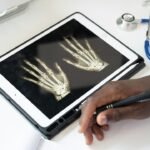
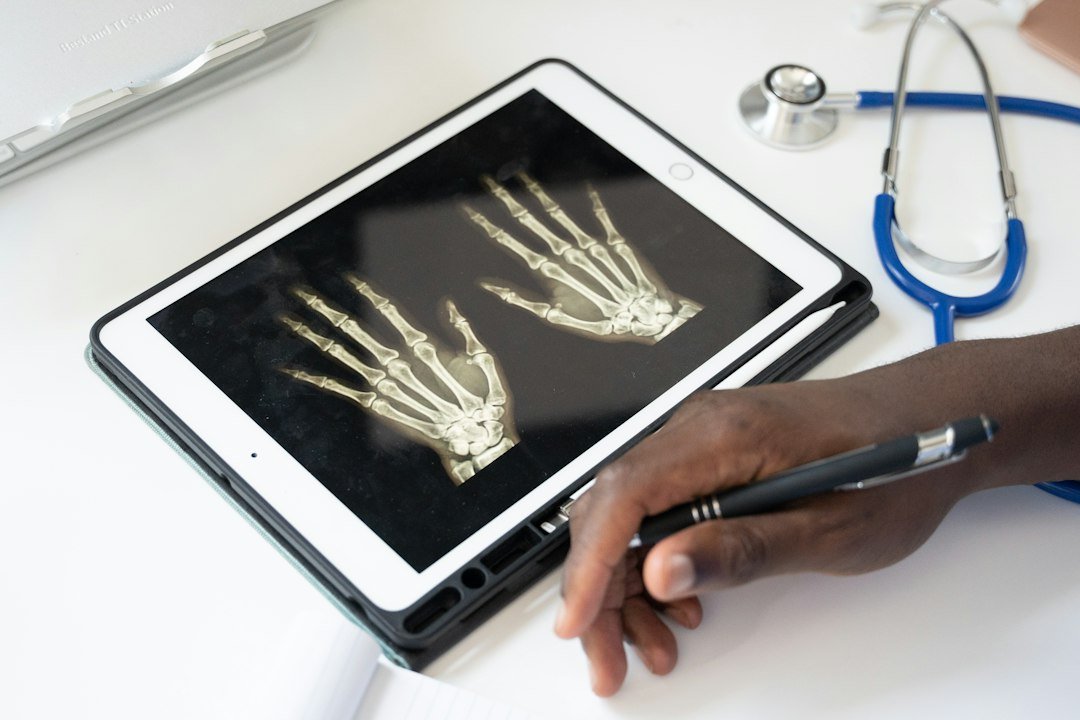
One of the most mature applications of AI in diagnosis is within medical imaging. Here, AI algorithms are trained on enormous datasets of X-rays, MRIs, CT scans, and ultrasound images.
Detecting Abnormalities in Scans
AI systems are becoming incredibly adept at identifying anomalies in radiographic images. For instance, in mammography, AI can flag suspicious areas that might indicate breast cancer with a sensitivity often comparable to, or even exceeding, human radiologists. Similarly, in lung CT scans, AI can pinpoint tiny nodules that could be early signs of lung cancer, potentially catching the disease at a more treatable stage. This isn’t just about spotting obvious masses; it’s about recognising subtle textural changes, irregular borders, or faint opacities that might escape a human eye during a busy day.
Ophthalmic Diagnosis
Another significant area is ophthalmology. AI algorithms can analyse retinal scans to detect signs of diabetic retinopathy, glaucoma, and age-related macular degeneration (AMD). These conditions, if caught early, can often be managed to prevent severe vision loss. The sheer volume of retinal images taken, particularly in diabetic screening programmes, makes this a perfect task for AI to assist in high-volume, repetitive analysis, ensuring that no patient is missed due to human fatigue or oversight.
Dermatological Screening
AI is also making inroads in dermatology. Algorithms trained on vast collections of skin images (moles, lesions, rashes) can assist in the early detection of skin cancer, particularly melanoma. While a definitive diagnosis will always require a human dermatologist and often a biopsy, AI can act as a powerful pre-screener, helping to prioritise suspicious lesions for closer examination and potentially reducing unnecessary biopsies for benign conditions.
Pathology and Histology
Beyond macroscopic imaging, AI is proving invaluable at the microscopic level, analysing tissue samples.
Analysing Biopsy Slides
Pathologists spend significant time examining biopsy slides under a microscope, looking for cancerous cells, inflammatory markers, or other pathological features. AI can automate parts of this process, for example, by quickly identifying regions of interest, counting specific cell types, or grading the severity of a tumour. This frees up pathologists to focus on the most complex cases and reduces the likelihood of human error in tedious, repetitive tasks. It can also help standardise reporting across different labs.
Quantifying Biomarkers
AI can also be trained to quantify specific biomarkers within tissue samples, providing more objective and consistent measurements than manual assessment. This can be crucial for guiding treatment decisions, especially in oncology where the presence or absence of certain proteins can dictate the effectiveness of targeted therapies.
Genomic and Proteomic Analysis
The explosion of data from genomics and proteomics presents a massive opportunity for AI.
Identifying Genetic Predispositions
AI can sift through vast amounts of genomic data to identify genetic variations or mutations associated with an increased risk of specific diseases. This information can be incredibly powerful for preventative medicine, allowing individuals to make lifestyle changes or undergo regular screening if they have a higher genetic predisposition to conditions like certain cancers or cardiovascular diseases.
Drug Discovery and Repurposing
While not strictly diagnosis, AI’s ability to analyse molecular interactions and protein structures aids in understanding disease mechanisms, which underpins diagnostic tool development. It can identify potential drug targets or even suggest existing drugs that could be repurposed for new conditions based on their molecular effects.
The Potential Benefits of AI in Diagnosis
The integration of AI into medical diagnosis offers a multitude of advantages that could fundamentally improve healthcare delivery and patient outcomes.
Enhanced Accuracy and Consistency
Human diagnosis, while often incredibly insightful, is susceptible to variability. Factors like fatigue, workload, individual experience, and even emotional state can influence diagnostic accuracy.
Reducing Human Error
AI systems, once thoroughly validated, operate with unwavering consistency. They don’t get tired, they don’t have bad days, and they don’t overlook subtle details due to distraction. This significantly reduces the potential for human error, especially in high-volume or complex diagnostic tasks. For instance, an AI analysing thousands of retinal scans will apply the same rigorous criteria to every single image, ensuring no early-stage retinopathy is missed due to a momentary lapse in concentration.
Identifying Subtle Patterns
AI’s true power lies in its ability to process immense datasets and identify patterns that are far too complex or subtle for humans to discern. These might be minute changes in medical images, correlations across diverse patient data points (genetics, symptoms, lifestyle), or early indicators in biomarker levels. This capability can lead to earlier and more precise diagnoses, even for diseases that are notoriously difficult to detect in their nascent stages.
Earlier Disease Detection
Catching diseases early is often the single most important factor in successful treatment and better patient prognoses. AI accelerates this significantly.
Predictive Analytics
By analysing a comprehensive array of data – including genetic information, lifestyle factors, electronic health records, and even wearable device data – AI can identify individuals at high risk of developing certain conditions long before symptoms appear. For example, AI might predict a person’s elevated risk for diabetes or cardiovascular disease years in advance, allowing for proactive interventions.
Speeding Up Scan Interpretation
In radiology, AI can rapidly triage scans, highlighting those with urgent findings for immediate review by a human radiologist. This means patients with critical conditions get diagnosed and treated much faster. Even for non-urgent cases, AI can pre-analyse scans, providing a ‘second opinion’ or flagging areas of interest for the human expert, making the overall diagnostic process more efficient.
Increased Accessibility to Specialist Expertise
Not everyone has easy access to top-tier medical specialists, particularly in remote areas or developing countries. AI can help bridge this gap.
Remote Diagnostics
AI-powered diagnostic tools can be deployed in primary care settings or even directly to patients (e.g., through smartphone apps for skin lesion analysis), extending the reach of specialist-level diagnostics without requiring a physical visit to a specialist clinic. This is particularly transformative for underserved populations where specialist resources are scarce.
Supporting General Practitioners
General practitioners (GPs) often face a broad range of symptoms and conditions. AI tools can act as intelligent diagnostic assistants, helping GPs to consider a wider differential diagnosis, interpret complex test results, or determine when a specialist referral is truly warranted, leading to more appropriate patient pathways.
Personalised Medicine
AI is a cornerstone of personalised medicine, tailoring treatment and diagnostic approaches to the individual.
Tailoring Treatment Based on Data
By analysing a patient’s unique genetic profile, medical history, and even their response to previous treatments, AI can help clinicians select the most effective therapeutic strategy. This moves away from a ‘one-size-fits-all’ approach to one that is precisely calibrated for the individual, increasing treatment efficacy and reducing adverse effects.
Optimising Drug Dosages
For certain medications, finding the optimal dosage is critical and can vary significantly between individuals. AI can analyse pharmacokinetic and pharmacodynamic data, alongside patient-specific factors, to suggest precise drug dosages, thereby maximising therapeutic benefit and minimising toxicity.
The Challenges and Limitations
Despite its immense promise, the path to widespread AI adoption in medical diagnosis is not without significant hurdles. It’s crucial to approach this with a balanced view, acknowledging both the excitement and the practical difficulties.
Data Quality and Bias
AI systems are only as good as the data they are trained on, and this presents a substantial challenge in healthcare.
Skewed Datasets
Medical data, particularly historic data, can be inherently biased. If an AI model is trained predominantly on data from one demographic group (e.g., specific ethnicities, age ranges, or socioeconomic backgrounds), its performance may be significantly poorer when applied to individuals outside that group. This could lead to misdiagnoses or delayed diagnoses for underrepresented populations, exacerbating existing health inequalities. For instance, an AI trained primarily on images of lighter skin tones might struggle to accurately diagnose dermatological conditions on darker skin.
Incomplete or Inaccurate Data
Electronic health records (EHRs) can be messy. Data might be incomplete, incorrectly entered, or inconsistent across different healthcare providers. AI models trained on such ‘dirty’ data can learn incorrect associations or make erroneous predictions. Ensuring high-quality, comprehensive, and standardised data collection is a monumental task.
Regulatory and Ethical Considerations
Bringing AI into such a sensitive field as medical diagnosis necessitates robust regulatory oversight and careful ethical reflection.
Approval and Validation
Unlike traditional medical devices or drugs, the regulatory framework for AI algorithms is still evolving. How do we rigorously test and validate an AI system that constantly ‘learns’ and potentially changes its behaviour? Establishing clear, transparent, and consistent processes for AI approval is vital to ensure patient safety and build public trust.
Accountability and Liability
Who is responsible if an AI makes a diagnostic error that leads to patient harm? Is it the developer of the algorithm, the hospital that implements it, or the clinician who uses it? The lines of accountability are currently blurred, and clear legal and ethical frameworks are needed to address this complex issue.
Patient Consent and Data Privacy
AI systems require access to vast amounts of sensitive patient data. Ensuring robust data privacy safeguards, obtaining appropriate patient consent for data use, and guaranteeing data security are paramount. The potential for data breaches or misuse is a significant concern that needs to be continuously addressed with advanced cybersecurity measures.
Integration into Clinical Workflow
Even the most sophisticated AI tool is useless if it cannot be effectively integrated into the day-to-day realities of medical practice.
User Interface and Usability
Clinicians are already burdened with heavy workloads and complex digital systems. AI tools need to be designed with intuitive, user-friendly interfaces that seamlessly fit into existing workflows, rather than adding another layer of complexity. Poor design could lead to low adoption rates.
Clinician Training and Acceptance
Doctors need to understand how AI tools work, their limitations, and how to interpret their outputs. Extensive training will be required. Furthermore, there might be inherent resistance from some clinicians who are hesitant to rely on ‘black box’ AI systems, particularly if they don’t fully understand the underlying logic. Building trust and demonstrating tangible benefits will be crucial for widespread acceptance.
The “Black Box” Problem
Many advanced AI models, particularly deep learning networks, operate as “black boxes.”
Lack of Explainability
It can be incredibly difficult, if not impossible, to fully understand why an AI algorithm arrived at a particular diagnostic conclusion. It might identify complex, non-linear correlations that are not intuitively understandable to humans. In medicine, where accurate diagnosis often depends on a logical, explainable chain of reasoning, this lack of transparency can be a major barrier to trust and adoption. Clinicians need to be able to justify their diagnoses, and if an AI provides a diagnosis without an explanation, it complicates this responsibility.
Auditing and Debugging Difficulties
If an AI makes an error, the black box nature makes it incredibly challenging to audit its decision-making process, understand where it went wrong, and debug the system. This contrasts sharply with traditional software, where errors can often be traced to specific lines of code.
The Future Role of AI and Doctors
It’s tempting to imagine a future where AI completely takes over medical diagnosis, but a more realistic and beneficial scenario involves a powerful synergy between human expertise and artificial intelligence.
AI as a Diagnostic Assistant
AI will primarily function as an advanced assistant, augmenting the capabilities of medical professionals rather than replacing them. Think of it as an incredibly intelligent colleague who has access to every piece of medical literature, every patient record, and never forgets a detail.
A Second Opinion
AI can provide a rapid ‘second opinion’ on scans, test results, or symptom presentations, acting as a valuable cross-check for human diagnosticians. This could reduce diagnostic errors and increase confidence in challenging cases. It can flag potential issues that a human might have overlooked due to fatigue or the sheer volume of cases.
Prioritising Workloads
In busy departments, AI can intelligently triage cases, highlighting those that require immediate attention (e.g., a radiology scan showing an acute bleed) and allowing clinicians to focus their time and expertise most effectively. This ensures critical conditions are never missed in a queue.
Synthesising Complex Data
Doctors often have to juggle information from various sources – patient history, physical examination, lab results, imaging, and specialist reports. AI can rapidly synthesise this disparate data, identifying correlations and insights that might be missed by a human, presenting a more holistic view of the patient’s condition.
The Evolving Role of the Doctor
The role of the doctor will undoubtedly evolve, shifting focus from purely diagnostic tasks to areas where human skills remain indispensable.
Empathy and Patient Communication
AI lacks empathy, emotional intelligence, and the ability to build rapport with patients. These human qualities are crucial for effective patient care, especially during challenging diagnoses or prognoses. Doctors will continue to be the compassionate face of medicine, communicating complex information, providing emotional support, and understanding the patient’s holistic needs and concerns.
Complex Decision-Making and Ethical Judgement
While AI can present probabilities and insights, the ultimate decision-making often involves navigating complex ethical dilemmas, patient preferences, and unique circumstances that go beyond pure data. Doctors will retain the critical role of integrating AI-generated insights with their clinical experience, ethical principles, and understanding of the individual patient’s values to make nuanced, personalised treatment plans.
Oversight and Validation of AI
Doctors will be responsible for overseeing AI systems, understanding their limitations, and critically evaluating their outputs. They will need to ensure that AI recommendations align with clinical best practices and patient safety. This requires a new set of skills: understanding AI’s capabilities and knowing when to trust it, and more importantly, when to question it.
Continuous Learning and Adaptation
The field of medicine is constantly evolving, and so too must AI systems.
Real-time Updates and Improvements
As new medical knowledge emerges and more data becomes available, AI models can be continuously updated and refined. This means diagnostic tools can adapt more quickly to new diseases, improved treatments, or evolving understanding of existing conditions than can be disseminated through traditional human education pathways.
Learning from Patient Outcomes
AI systems can be designed to learn from actual patient outcomes. If an AI makes a diagnostic prediction, and the eventual outcome (e.g., successful treatment, confirmed pathology) contradicts or confirms that prediction, the system can use this feedback to improve its future performance, creating a continuously self-improving diagnostic loop.
The Path Forward: Collaboration and Innovation
The integration of AI into medical diagnosis isn’t a simple switch; it’s a complex, ongoing journey that requires collaboration across multiple disciplines and a commitment to responsible innovation.
Interdisciplinary Research and Development
Progress will depend heavily on close collaboration between AI specialists, computer scientists, medical professionals (doctors, pathologists, radiologists), ethicists, and regulatory bodies. Each group brings essential expertise to the table, from understanding the technical capabilities of AI to the nuances of clinical practice and the critical ethical implications.
Creating Robust AI Models
This collaboration will ensure that AI models are not only technically sophisticated but also clinically relevant, safe, and effective. It means designing algorithms that address real-world medical challenges and training them on diverse, high-quality datasets that reflect the breadth of human populations.
Bridging the Gap Between Tech and Medicine
Establishing common ground and language between these diverse fields is crucial. Clinicians need to understand what AI can realistically achieve and its limitations, while AI developers need to grasp the complexities and sensitivities of medical decision-making.
Standardisation of Data
For AI to truly flourish in healthcare, there’s an urgent need for greater standardisation in how medical data is collected, stored, and shared.
Interoperability of Systems
Healthcare systems often operate in silos, with different hospitals and clinics using incompatible electronic health record (EHR) systems. Achieving interoperability, where data can flow seamlessly and securely between different platforms, is fundamental for training comprehensive AI models and ensuring that AI insights can be applied across the entire patient journey.
Data Harmonisation
Beyond mere sharing, data needs to be harmonised – meaning it’s structured and coded consistently. This allows AI models to accurately interpret information regardless of its origin, preventing misinterpretations due to variations in terminology or data entry practices.
Education and Training
Preparing the current and future healthcare workforce for an AI-augmented future is paramount.
Training Medical Professionals
Medical curricula need to evolve to include AI literacy. Doctors, nurses, and allied health professionals will need to understand the basics of AI, how to use AI tools effectively, interpret their outputs, and critically evaluate their reliability. This isn’t about turning doctors into data scientists, but empowering them to be informed users of AI.
Developing AI Specialists in Healthcare
There will also be a growing demand for a new generation of professionals who deeply understand both AI and medicine. These ‘clinical informaticians’ or ‘AI ethicists in medicine’ will play a crucial role in developing, implementing, and governing AI systems within healthcare settings.
Public Engagement and Trust
Ultimately, the success of AI in medical diagnosis hinges on public trust and acceptance.
Transparent Communication
It’s vital to communicate openly and honestly with the public about what AI can and cannot do. Avoiding hyperbole and focusing on the practical benefits, while also acknowledging the challenges and risks, will help manage expectations and build confidence.
Addressing Concerns
Concerns about data privacy, job displacement, and the ‘dehumanisation’ of medicine are valid and must be actively addressed through robust ethical frameworks, clear regulations, and ongoing dialogue. Engaging patients in the discussion about how AI is used in their care will be key to fostering acceptance.
The future of medical diagnosis with AI isn’t about a cold, impersonal machine replacing human care. Instead, it’s about creating a more accurate, efficient, and ultimately more human-centric healthcare system where doctors, empowered by intelligent AI tools, can dedicate more of their time and expertise to the complex, compassionate aspects of patient care that only a human can provide. It’s a journey of continuous learning, adaptation, and ethical innovation, promising a healthier future for all.