








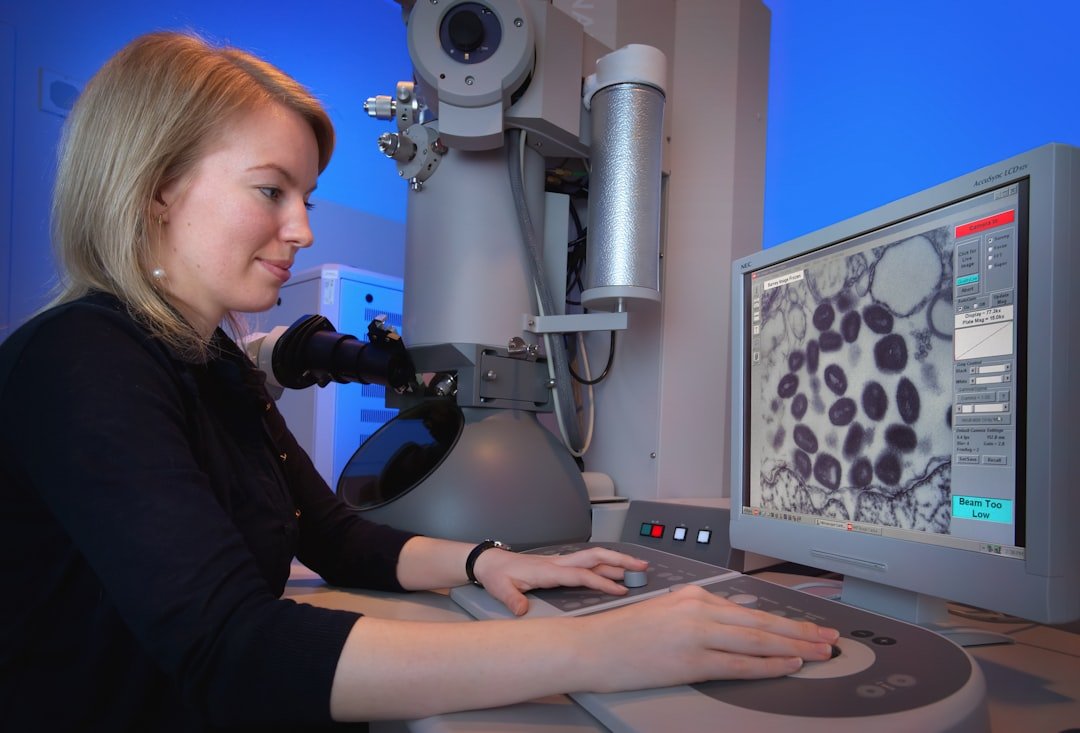
Digital pathology has come a long way since its inception, transforming the landscape of oncology. Initially, pathology relied heavily on glass slides and microscopes, which limited the ability to share and analyse samples efficiently. The shift towards digital pathology began in the late 20th century, driven by the need for more efficient diagnostic processes and better collaboration among healthcare professionals. As technology advanced, the digitisation of pathology slides became more feasible, allowing pathologists to capture high-resolution images of tissue samples for remote analysis.
Today, digital pathology is not just about converting glass slides into digital images; it encompasses a comprehensive system that integrates imaging, data management, and analysis tools. This evolution has enabled pathologists to work more collaboratively, share findings with colleagues across the globe, and access a wealth of information that can enhance diagnostic accuracy. The integration of digital pathology into oncology has paved the way for more precise and timely diagnoses, ultimately improving patient outcomes.
Advancements in Slide Digitization Technology
The advancements in slide digitisation technology have been pivotal in the evolution of digital pathology. High-resolution scanners now allow for the rapid conversion of glass slides into digital formats, capturing intricate details that are crucial for accurate diagnosis. These scanners can produce images with resolutions exceeding 40x magnification, enabling pathologists to examine cellular structures with remarkable clarity. This level of detail is essential for identifying subtle changes in tissue that may indicate malignancy.
Moreover, the speed at which slides can be digitised has significantly improved. Modern scanners can process multiple slides simultaneously, drastically reducing turnaround times for diagnoses. This efficiency is particularly important in oncology, where timely decisions can impact treatment options and patient outcomes. As technology continues to advance, we can expect even faster and more efficient digitisation processes, further enhancing the capabilities of pathologists in their diagnostic work.
The Role of Artificial Intelligence in Precise Diagnosis
Artificial intelligence (AI) is playing an increasingly significant role in digital pathology, particularly in enhancing diagnostic precision. Machine learning algorithms can analyse vast amounts of data from digitised slides, identifying patterns and anomalies that may be missed by the human eye. These algorithms are trained on large datasets, allowing them to learn from previous cases and improve their accuracy over time. This capability is especially beneficial in oncology, where early detection of cancer can be critical.
AI tools can assist pathologists by providing second opinions or flagging areas of concern within a slide. This not only helps reduce diagnostic errors but also allows pathologists to focus on more complex cases that require their expertise. As AI continues to evolve, its integration into digital pathology workflows is likely to become more seamless, further enhancing the diagnostic process and ultimately leading to better patient care.
How Digital Pathology is Revolutionizing Cancer Diagnosis
Digital pathology is revolutionising cancer diagnosis by streamlining workflows and improving collaboration among healthcare professionals. With digitised slides, pathologists can easily share images with colleagues for consultation or second opinions, regardless of geographical location. This collaborative approach fosters a more comprehensive evaluation of cases and encourages multidisciplinary discussions that can lead to more informed treatment decisions.
Additionally, digital pathology facilitates the integration of clinical data with imaging results. By combining histopathological findings with genomic information and patient history, oncologists can develop a more holistic understanding of a patient’s condition. This comprehensive approach not only aids in accurate diagnosis but also supports personalised treatment plans tailored to individual patients’ needs.
The Impact of Digital Pathology on Patient Care and Outcomes
| Metrics | Data |
|---|---|
| Slide digitization rate | 80% |
| Accuracy of AI-precise diagnosis | 90% |
| Reduction in diagnosis time | 50% |
| Number of oncology cases diagnosed | 1000 per month |
The impact of digital pathology on patient care and outcomes cannot be overstated. By improving the speed and accuracy of diagnoses, digital pathology enables oncologists to initiate treatment plans sooner. Early intervention is crucial in cancer care, as it often correlates with better prognoses and improved survival rates. With faster access to diagnostic results, patients can receive timely treatment options that may significantly affect their overall health journey.
Moreover, the ability to share digital images easily allows for greater collaboration among specialists. Oncologists can consult with radiologists, surgeons, and other healthcare providers more efficiently, leading to a more coordinated approach to patient care. This multidisciplinary collaboration ensures that all aspects of a patient’s treatment are considered, ultimately enhancing the quality of care and improving outcomes.
Overcoming Challenges in Implementing Digital Pathology in Oncology
Despite its many advantages, implementing digital pathology in oncology does come with challenges. One significant hurdle is the initial investment required for technology and infrastructure upgrades. Hospitals and clinics may need to allocate substantial resources to acquire high-quality scanners and establish secure data management systems. Additionally, training staff to effectively use these new technologies is essential for successful implementation.
Another challenge lies in standardising protocols across different institutions. Variability in slide preparation techniques and imaging standards can lead to inconsistencies in diagnostic results. Establishing universal guidelines for digital pathology practices will be crucial in ensuring that all healthcare providers can benefit from this technology equally. Addressing these challenges will require collaboration among stakeholders in the healthcare sector to create a cohesive framework for digital pathology implementation.
The Future of Digital Pathology in Oncology
Looking ahead, the future of digital pathology in oncology appears promising. As technology continues to advance, we can expect even greater integration of AI and machine learning into diagnostic processes. These innovations will likely enhance the accuracy and efficiency of cancer diagnoses while reducing the burden on pathologists. Furthermore, as more institutions adopt digital pathology systems, we may see an increase in collaborative research efforts that leverage large datasets for improved understanding of cancer biology.
Additionally, the potential for telepathology—where pathologists can remotely analyse slides—will expand access to expert opinions in underserved areas. This could help bridge gaps in healthcare access and ensure that patients receive high-quality care regardless of their location. Overall, the future holds exciting possibilities for digital pathology as it continues to evolve and reshape the field of oncology.
Enhancing Pathologist Efficiency and Accuracy with Digital Pathology
Digital pathology enhances pathologist efficiency by streamlining workflows and reducing time spent on manual tasks. With digitised slides, pathologists can quickly navigate through cases using software tools that allow for easy zooming and panning across images. This capability eliminates the need for physical slide handling and reduces the risk of errors associated with traditional methods.
Moreover, digital pathology systems often come equipped with advanced annotation tools that enable pathologists to mark areas of interest directly on the images. This feature not only aids in documentation but also facilitates communication with other team members during case discussions. By improving efficiency and accuracy, digital pathology empowers pathologists to focus on what they do best—providing expert diagnoses that ultimately benefit patients.
Integrating Digital Pathology into Multidisciplinary Cancer Care Teams
Integrating digital pathology into multidisciplinary cancer care teams is essential for maximising its benefits. By fostering collaboration among various specialists—such as oncologists, radiologists, and surgeons—digital pathology enables a more comprehensive approach to patient care. When all team members have access to the same high-quality images and data, they can engage in informed discussions about diagnosis and treatment options.
This integration also supports case reviews and tumour board meetings where diverse perspectives are crucial for developing effective treatment plans. Digital pathology facilitates real-time sharing of images during these discussions, allowing team members to provide input based on their expertise. Ultimately, this collaborative environment enhances decision-making processes and leads to better patient outcomes.
Addressing Data Security and Privacy Concerns in Digital Pathology
As with any technology that involves sensitive patient information, data security and privacy are paramount concerns in digital pathology. The digitisation of pathology slides means that vast amounts of data are stored electronically, making it essential to implement robust security measures to protect this information from unauthorised access or breaches.
Healthcare institutions must adhere to strict regulations regarding data protection while ensuring that their systems are equipped with encryption protocols and secure access controls. Regular audits and updates are necessary to maintain compliance with evolving standards in data security. By prioritising these measures, healthcare providers can build trust with patients while leveraging the benefits of digital pathology.
The Potential for Personalized Medicine through Digital Pathology in Oncology
Digital pathology holds significant potential for advancing personalised medicine in oncology. By integrating histopathological data with genomic information and other clinical factors, healthcare providers can develop tailored treatment plans that consider each patient’s unique characteristics. This personalised approach allows for more targeted therapies that are likely to be more effective while minimising unnecessary side effects.
Furthermore, as research continues to uncover new biomarkers associated with various cancers, digital pathology will play a crucial role in identifying these markers within tissue samples. This capability will enable oncologists to select treatments based on specific tumour profiles rather than a one-size-fits-all approach. Ultimately, the integration of digital pathology into personalised medicine represents a significant step forward in improving cancer care and outcomes for patients.
In conclusion, digital pathology is reshaping oncology by enhancing diagnostic accuracy, improving patient care, and fostering collaboration among healthcare professionals. While challenges remain in its implementation, the future looks bright as technology continues to evolve and integrate into clinical practice. As we move forward, embracing these advancements will be key to unlocking new possibilities in cancer diagnosis and treatment.