








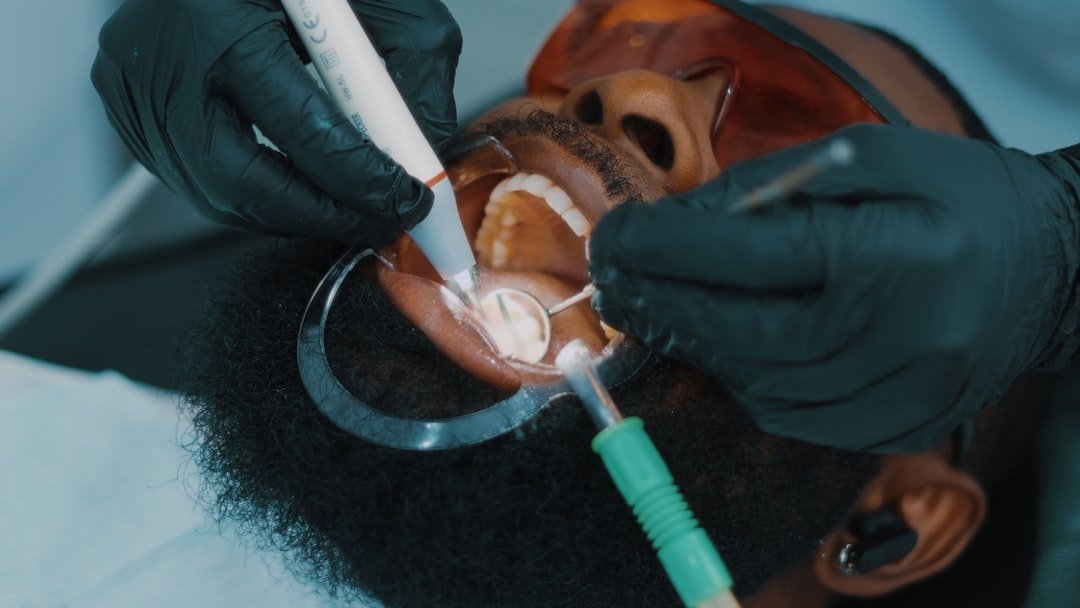
The role of dental hygienists has evolved significantly over the years, and recent changes in regulations have further expanded their scope of practice. This evolution is not just a trend; it reflects a growing recognition of the vital role hygienists play in oral health care. With new responsibilities, particularly in areas like anaesthesia and restorative procedures, dental hygienists are now positioned to provide more comprehensive care to patients. This shift not only enhances the efficiency of dental practices but also improves patient outcomes.
As dental hygienists take on these new roles, it’s essential to understand what this means for the profession and for patients. The expanded scope of practice allows hygienists to perform tasks that were traditionally reserved for dentists, thereby streamlining processes and reducing wait times for patients. This article will delve into the specifics of these changes, exploring the implications for dental hygienists, their training, and the overall impact on patient care.
Anesthesia: A New Addition to the Dental Hygienist’s Scope of Practice
One of the most significant changes in the expanded scope of practice is the ability for dental hygienists to administer anaesthesia. This addition is a game-changer, allowing hygienists to provide a more comfortable experience for patients during procedures. By being trained to administer local anaesthetics, hygienists can help alleviate pain and anxiety, making dental visits less daunting for many individuals.
The inclusion of anaesthesia in a hygienist’s skill set means that they can perform certain procedures more efficiently. For instance, when a hygienist can numb an area before scaling or other treatments, it reduces the need for patients to wait for a dentist to come in and administer anaesthesia. This not only saves time but also enhances the overall flow of the dental practice, allowing for more patients to be seen in a day.
Restorative Procedures: A Game-Changer for Dental Hygienists
In addition to anaesthesia, dental hygienists are now being trained to perform restorative procedures, which marks another significant shift in their responsibilities. This includes tasks such as placing fillings or applying sealants, which were once solely within the dentist’s domain. By taking on these roles, hygienists can provide a broader range of services during a single visit, which is particularly beneficial for patients who may have difficulty accessing care.
The ability to perform restorative procedures not only empowers dental hygienists but also enhances their professional satisfaction. Many hygienists find that being able to offer more comprehensive care allows them to build stronger relationships with their patients. When patients see their hygienist as a capable provider who can address multiple aspects of their oral health, it fosters trust and encourages regular visits.
The Role of Supervision in Expanded Scope of Practice
While the expanded scope of practice offers exciting opportunities for dental hygienists, it also raises questions about supervision and collaboration with dentists. In many jurisdictions, hygienists are required to work under the supervision of a dentist when performing anaesthesia or restorative procedures. This collaborative approach ensures that patient safety remains a top priority while allowing hygienists to utilise their expanded skills effectively.
Supervision does not mean that hygienists are merely assistants; rather, it establishes a partnership where both professionals contribute their expertise. Dentists can focus on more complex cases while hygienists manage routine procedures, creating a more efficient workflow. This model not only benefits the dental practice but also enhances patient care by ensuring that all aspects of treatment are handled by qualified professionals.
Training and Education: Preparing Dental Hygienists for Anaesthesia and Restorative Procedures
| Metrics | Data |
|---|---|
| Number of dental hygienists with expanded scope of practice | 200 |
| Types of anesthesia administered | Local anaesthesia, nitrous oxide sedation |
| Restorative procedures performed under supervision | Fillings, crowns, bridges |
| Supervision requirements | Direct supervision by a dentist |
To effectively take on these new responsibilities, dental hygienists must undergo additional training and education. Many dental hygiene programmes are now incorporating courses on anaesthesia administration and restorative techniques into their curricula. This ensures that graduates are well-prepared to meet the demands of an evolving profession.
Continuing education is also crucial for practising hygienists who wish to expand their skills. Workshops, seminars, and certification courses provide opportunities for ongoing learning and skill enhancement. As the field continues to evolve, staying updated on best practices and new techniques will be essential for hygienists looking to excel in their expanded roles.
Benefits of Expanded Scope of Practice for Dental Hygienists
The benefits of an expanded scope of practice extend beyond just the hygienists themselves; they also positively impact patients and dental practices as a whole. For patients, having access to a wider range of services from their hygienist can lead to improved oral health outcomes. With fewer appointments needed and more procedures performed in one visit, patients are more likely to adhere to treatment plans.
For dental practices, employing hygienists who can perform anaesthesia and restorative procedures can lead to increased efficiency and profitability. Practices can see more patients in less time, reducing overhead costs while maintaining high standards of care. This shift not only enhances patient satisfaction but also contributes to the overall success of the practice.
Potential Challenges and Risks in Anaesthesia and Restorative Procedures for Dental Hygienists
Despite the many advantages of an expanded scope of practice, there are potential challenges and risks that must be considered. Administering anaesthesia carries inherent risks, including allergic reactions or complications related to improper technique. It’s crucial that dental hygienists receive thorough training and adhere strictly to protocols to minimise these risks.
Similarly, performing restorative procedures requires a high level of skill and precision. Mistakes can lead to complications that may necessitate further treatment by a dentist. Therefore, it’s essential for hygienists to recognise their limits and seek assistance when needed. Open communication with supervising dentists is vital in ensuring that patient safety remains paramount.
Collaboration with Dentists: Ensuring Safe and Effective Care
Collaboration between dental hygienists and dentists is key to ensuring safe and effective care in this new landscape. Regular communication about patient treatment plans and progress is essential for maintaining high standards of care. When both professionals work together seamlessly, it creates a supportive environment where patients can receive comprehensive treatment.
Moreover, this collaboration fosters a culture of continuous learning within the practice. Dentists can provide valuable insights into complex cases while hygienists can share their experiences with routine procedures. This exchange of knowledge not only enhances individual skills but also contributes to the overall growth of the practice.
Patient Perspectives: How Expanded Scope of Practice Impacts Dental Hygiene Care
From a patient’s perspective, the expanded scope of practice for dental hygienists can significantly enhance their experience in the dental chair. Many patients appreciate having a single point of contact for various aspects of their care, which can make visits feel more personal and less fragmented. When patients know they can rely on their hygienist for both preventive care and minor restorative work, it builds trust and encourages them to seek regular dental visits.
Additionally, patients often report feeling more at ease when they know that their hygienist is well-trained in administering anaesthesia or performing restorative procedures. This confidence can reduce anxiety associated with dental visits, leading to better overall experiences and improved oral health outcomes.
Regulatory Considerations: Navigating the Legal and Ethical Landscape
As with any changes in professional practice, there are regulatory considerations that must be navigated when expanding the scope of practice for dental hygienists. Each jurisdiction has its own laws governing what hygienists can do, which means that staying informed about local regulations is crucial. Hygienists must ensure they are compliant with all legal requirements related to anaesthesia administration and restorative procedures.
Ethical considerations also come into play as hygienists take on new responsibilities. They must balance their desire to provide comprehensive care with the need to operate within their training and expertise. Adhering to ethical guidelines ensures that patient safety remains at the forefront while allowing hygienists to expand their roles responsibly.
Embracing the Evolution of Dental Hygiene Practice
The evolution of dental hygiene practice represents an exciting opportunity for both professionals and patients alike. As dental hygienists expand their scope of practice to include anaesthesia and restorative procedures, they are better equipped to meet the diverse needs of their patients. This shift not only enhances patient care but also contributes to greater job satisfaction among hygienists.
While challenges exist, particularly regarding training and regulatory compliance, the benefits far outweigh the risks when approached thoughtfully. By fostering collaboration with dentists and prioritising patient safety, dental hygienists can embrace this evolution confidently. As we look ahead, it’s clear that the future of dental hygiene is bright, with expanded roles leading to improved outcomes for all involved in oral health care.