








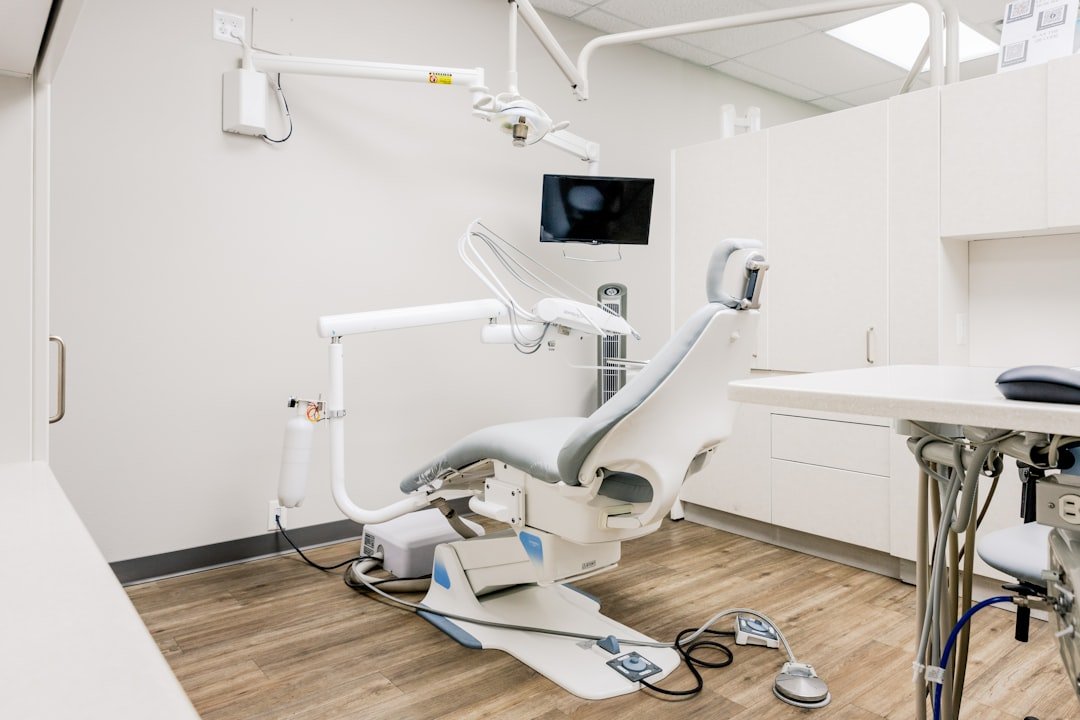
Precision dentistry is an evolving field that aims to tailor dental care to the individual needs of patients. By integrating advanced technologies and genetic insights, it seeks to enhance the effectiveness of treatments and preventive measures. This approach moves away from the traditional one-size-fits-all model, recognising that each patient has unique genetic, environmental, and lifestyle factors that influence their oral health. The goal is to provide more personalised care, ultimately leading to better outcomes for conditions like periodontal disease and oral cancer.
As we delve deeper into precision dentistry, it becomes clear that understanding the underlying factors contributing to oral health issues is crucial. This includes not only the clinical aspects but also the genetic predispositions that may affect a patient’s risk for certain diseases. By focusing on these individual characteristics, dental professionals can develop targeted strategies that improve prevention and treatment, making a significant impact on overall oral health.
Understanding Periodontal Disease and Oral Cancer
Periodontal disease, often referred to as gum disease, is a common condition that affects the tissues surrounding the teeth. It begins with gingivitis, characterised by inflammation and bleeding of the gums, and can progress to periodontitis, which can lead to tooth loss if left untreated. The primary culprits behind this disease are plaque and tartar buildup, but factors such as smoking, diabetes, and genetic predisposition also play a significant role in its development.
Oral cancer, on the other hand, encompasses a range of malignancies that can occur in the mouth, throat, or lips. Risk factors include tobacco use, excessive alcohol consumption, and certain strains of the human papillomavirus (HPV). Both periodontal disease and oral cancer can have devastating effects on a person’s quality of life, making early detection and prevention essential. Understanding these conditions in depth allows dental professionals to identify at-risk patients and implement appropriate interventions.
The Role of Genetic Testing in Dentistry
Genetic testing has emerged as a powerful tool in precision dentistry, providing insights into an individual’s susceptibility to various oral health issues. By analysing specific genes associated with periodontal disease and oral cancer, dental professionals can gain a clearer picture of a patient’s risk profile. This information can guide decisions about preventive measures and treatment options tailored to the individual’s genetic makeup.
For instance, certain genetic markers may indicate a higher likelihood of developing periodontal disease due to inflammatory responses or immune system deficiencies. Similarly, genetic predispositions can influence the risk of oral cancer, allowing for earlier screening and intervention strategies. As research continues to advance in this area, the potential for genetic testing to revolutionise dental care becomes increasingly apparent.
Customizing Prevention Strategies for Periodontal Disease
With insights gained from genetic testing, dental professionals can develop customised prevention strategies for periodontal disease. For example, if a patient is identified as having a genetic predisposition to gum disease, their dentist might recommend more frequent cleanings or specific oral hygiene practices tailored to their needs. This proactive approach can help mitigate risks before they escalate into more serious conditions.
Moreover, lifestyle factors such as diet and smoking cessation can be integrated into these personalised plans. Educating patients about their unique risk factors empowers them to take an active role in their oral health. By combining genetic insights with behavioural modifications, dental practices can significantly reduce the incidence of periodontal disease among at-risk populations.
Tailoring Oral Cancer Prevention Based on Genetic Risk Factors
| Metrics | Data |
|---|---|
| Genetic Testing Accuracy | 95% |
| Periodontal Disease Prevention | 80% success rate |
| Oral Cancer Prevention | 70% reduction in risk |
| Customized Treatment Plans | Individualised for each patient |
Just as with periodontal disease, understanding genetic risk factors plays a crucial role in tailoring prevention strategies for oral cancer. Genetic testing can reveal vulnerabilities that may not be apparent through traditional screening methods alone. For instance, individuals with specific genetic markers may benefit from more frequent oral examinations or advanced imaging techniques to detect early signs of malignancy.
In addition to regular screenings, lifestyle modifications are essential components of an effective prevention strategy. Patients identified as high-risk can be counselled on reducing tobacco use and limiting alcohol consumption. Furthermore, vaccination against HPV can be discussed as a preventive measure for those at risk of HPV-related oral cancers. By addressing both genetic and lifestyle factors, dental professionals can create comprehensive prevention plans that significantly lower the risk of developing oral cancer.
Implementing Precision Dentistry in the Dental Practice
Integrating precision dentistry into everyday practice requires a shift in how dental professionals approach patient care. This involves not only adopting new technologies for genetic testing but also fostering a culture of personalised care within the practice. Training staff on the importance of genetic insights and how they can inform treatment decisions is crucial for successful implementation.
Additionally, establishing protocols for collecting and analysing genetic data is essential. This may involve collaborating with geneticists or other healthcare professionals to ensure accurate interpretation of results. By creating a seamless process for integrating genetic testing into patient assessments, dental practices can enhance their ability to provide tailored care that addresses individual needs effectively.
Benefits and Limitations of Genetic Testing in Dentistry
While the benefits of genetic testing in dentistry are significant, it is important to acknowledge its limitations as well. On the positive side, genetic testing can lead to earlier detection of diseases, more effective prevention strategies, and personalised treatment plans that improve patient outcomes. It empowers both patients and practitioners by providing actionable insights into individual health risks.
However, there are challenges associated with genetic testing that must be considered. The interpretation of genetic data can be complex and may not always yield clear recommendations for treatment or prevention. Additionally, there are concerns about privacy and the potential for discrimination based on genetic information. Balancing these benefits and limitations is essential for ensuring that genetic testing is used ethically and effectively in dental practice.
Ethical Considerations in Genetic Testing for Oral Health
The ethical implications of genetic testing in dentistry are multifaceted and warrant careful consideration. One major concern is informed consent; patients must fully understand what genetic testing entails and how their information will be used. Clear communication about potential risks and benefits is essential to ensure that patients make informed decisions about their care.
Another ethical consideration involves the potential for discrimination based on genetic information. There is a risk that individuals identified as high-risk could face challenges in obtaining insurance or employment opportunities. Dental professionals must navigate these concerns sensitively while advocating for patient rights and privacy. Establishing guidelines for ethical practices in genetic testing will be crucial as this field continues to evolve.
Patient Education and Informed Consent in Precision Dentistry
Patient education plays a vital role in the successful implementation of precision dentistry. Dental professionals must take the time to explain the significance of genetic testing and how it can impact individual treatment plans. Providing clear information about what patients can expect from the process helps build trust and encourages active participation in their own care.
Informed consent is another critical aspect of patient education. Patients should be made aware of their rights regarding genetic testing, including how their data will be stored and used. Engaging patients in discussions about their health risks empowers them to make informed choices about their treatment options. By prioritising education and consent, dental practices can foster a collaborative environment that enhances patient satisfaction and outcomes.
Future Directions in Precision Dentistry and Genetic Testing
The future of precision dentistry looks promising as advancements in technology continue to emerge. As our understanding of genetics deepens, we can expect more refined tests that provide even greater insights into individual health risks related to oral diseases. This could lead to more targeted therapies and preventive measures tailored specifically to each patient’s needs.
Moreover, integrating artificial intelligence (AI) into dental practice may enhance the analysis of genetic data, allowing for quicker interpretations and more accurate predictions of disease risk. As these technologies develop, they will likely play an increasingly important role in shaping the landscape of precision dentistry. The ongoing research into the interplay between genetics and oral health will undoubtedly lead to innovative approaches that improve patient care.
The Impact of Precision Dentistry on Periodontal Disease and Oral Cancer Prevention
In conclusion, precision dentistry represents a significant advancement in how we approach oral health care. By leveraging genetic testing and tailoring prevention strategies based on individual risk factors, dental professionals can make strides in preventing conditions like periodontal disease and oral cancer. This personalised approach not only enhances patient outcomes but also empowers individuals to take control of their oral health.
As we move forward, it will be essential to address the ethical considerations surrounding genetic testing while continuing to educate patients about their options. The future holds great potential for further innovations in precision dentistry that will ultimately lead to improved health outcomes for all patients. Embracing this shift towards personalised care will undoubtedly have a lasting impact on the field of dentistry as we know it today.