








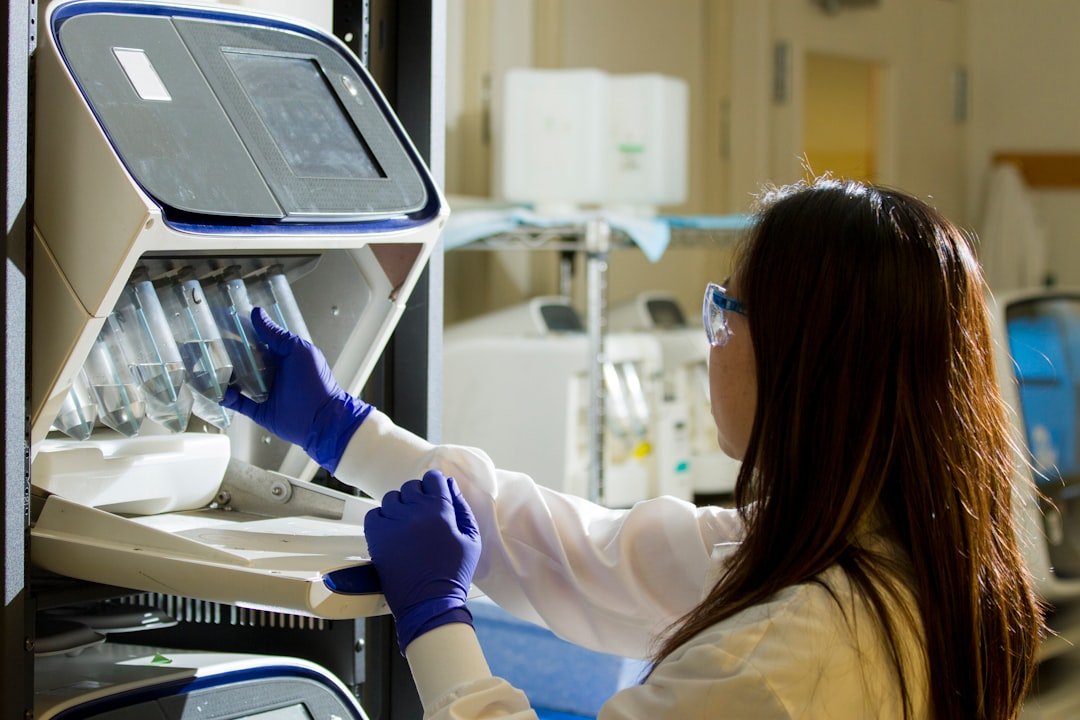
Next-Generation Sequencing (NGS) has revolutionised the field of genetics, providing a powerful tool for researchers and clinicians alike. Unlike traditional sequencing methods, which often focused on single genes or small regions of DNA, NGS allows for the simultaneous sequencing of millions of fragments of DNThis capability not only accelerates the process of genetic analysis but also enhances the depth and breadth of information that can be obtained from a single test. As a result, NGS has become an essential component in various applications, from genetic testing to personalised medicine.
The significance of NGS extends beyond mere technical advancement; it has fundamentally changed how we approach genetic disorders and cancer treatment. By enabling comprehensive genomic profiling, NGS facilitates a deeper understanding of the genetic underpinnings of diseases, paving the way for more targeted and effective therapies. In this article, we will explore the advantages, applications, challenges, and future directions of NGS in genetic testing and cancer therapies.
Advantages of Next-Generation Sequencing in Genetic Testing
One of the primary advantages of NGS is its ability to provide a comprehensive view of an individual’s genome. Traditional methods often require multiple tests to assess different genes or regions, leading to longer wait times and increased costs. In contrast, NGS can analyse entire exomes or genomes in a single run, significantly streamlining the testing process. This holistic approach not only saves time but also reduces the likelihood of missing critical genetic variations that could be relevant to a patient’s condition.
Moreover, NGS offers unparalleled sensitivity and specificity in detecting genetic mutations. It can identify single nucleotide polymorphisms (SNPs), insertions, deletions, and even structural variations with high accuracy. This level of detail is particularly beneficial in diagnosing complex genetic disorders where multiple mutations may be involved. As a result, clinicians can make more informed decisions regarding patient management and treatment options.
Rapid and Cost-Effective Genetic Testing with Next-Generation Sequencing
The speed at which NGS can deliver results is another significant advantage. Traditional sequencing methods could take weeks or even months to provide results, whereas NGS can often generate data within days. This rapid turnaround is crucial in clinical settings where timely diagnosis can impact treatment decisions and patient outcomes. For instance, in cases of suspected hereditary cancers, quick access to genetic information can guide immediate interventions.
Cost-effectiveness is another compelling aspect of NGS. While the initial investment in sequencing technology may be substantial, the cost per base sequenced has dramatically decreased over the years. This reduction makes NGS accessible to a broader range of healthcare providers and patients. Additionally, by consolidating multiple tests into one comprehensive analysis, NGS can ultimately lower overall healthcare costs associated with genetic testing.
Targeted Cancer Therapies and Next-Generation Sequencing
NGS plays a pivotal role in the development and implementation of targeted cancer therapies. By providing detailed insights into the genetic alterations present in a tumour, NGS enables oncologists to tailor treatments to the specific molecular profile of a patient’s cancer. This personalised approach contrasts sharply with traditional therapies that often take a one-size-fits-all approach, which may not be effective for all patients.
For example, certain cancers may harbour specific mutations that make them susceptible to particular drugs. With NGS, clinicians can identify these mutations and select targeted therapies that are more likely to yield positive outcomes. This not only improves the efficacy of treatment but also minimises unnecessary side effects associated with non-targeted therapies.
Precision Medicine and Next-Generation Sequencing
| Metrics | Data |
|---|---|
| Sequencing Speed | Rapid |
| Cost-effectiveness | High |
| Genetic Testing Accuracy | High |
| Targeted Cancer Therapies | Enabled |
The concept of precision medicine is closely intertwined with NGS technology. Precision medicine aims to tailor medical treatment to the individual characteristics of each patient, including their genetic makeup. NGS provides the necessary data to achieve this goal by revealing the unique genetic variations that influence disease susceptibility and treatment response.
In practice, this means that patients can receive treatments that are specifically designed for their genetic profiles. For instance, individuals with certain genetic markers may respond better to specific medications or may be at higher risk for adverse reactions. By leveraging NGS data, healthcare providers can make more informed decisions about which treatments are most appropriate for each patient, ultimately leading to improved health outcomes.
Application of Next-Generation Sequencing in Oncology
The application of NGS in oncology has expanded rapidly over recent years. Beyond identifying mutations for targeted therapies, NGS is also used for monitoring disease progression and treatment response. Liquid biopsies, which involve analysing circulating tumour DNA (ctDNA) from blood samples, are becoming increasingly popular as a non-invasive method for tracking cancer dynamics.
This approach allows clinicians to detect changes in a patient’s tumour profile over time without the need for invasive tissue biopsies. By regularly monitoring ctDNA levels and mutations, healthcare providers can adjust treatment plans based on real-time data, ensuring that patients receive the most effective care throughout their cancer journey.
Challenges and Limitations of Next-Generation Sequencing in Genetic Testing
Despite its many advantages, NGS is not without challenges and limitations. One significant issue is the interpretation of vast amounts of data generated by sequencing. While NGS can identify numerous genetic variants, not all variants are clinically relevant or understood. Distinguishing between benign polymorphisms and pathogenic mutations requires extensive knowledge and expertise, which may not always be available in clinical settings.
Additionally, there are concerns regarding the standardisation of NGS protocols and data interpretation across different laboratories. Variability in sequencing techniques and bioinformatics analyses can lead to discrepancies in results, complicating clinical decision-making. Establishing robust guidelines and best practices is essential to ensure consistency and reliability in NGS-based testing.
Ethical Considerations in Next-Generation Sequencing for Genetic Testing
The ethical implications of NGS in genetic testing are significant and multifaceted. One major concern revolves around privacy and data security. As genomic data becomes increasingly accessible, safeguarding sensitive information from unauthorised access or misuse is paramount. Patients must be assured that their genetic information will be handled responsibly and confidentially.
Informed consent is another critical ethical consideration. Patients should fully understand what undergoing NGS entails, including potential findings that may have implications for their health or that of their family members. Genetic counselling plays a vital role in this process, helping patients navigate complex information and make informed decisions about testing.
Future Developments and Trends in Next-Generation Sequencing
Looking ahead, several exciting developments are on the horizon for NGS technology. Advances in sequencing technologies are expected to further reduce costs and improve accuracy, making NGS even more accessible to healthcare providers worldwide. Additionally, the integration of artificial intelligence (AI) and machine learning into genomic analysis holds promise for enhancing data interpretation and identifying clinically relevant variants more efficiently.
Furthermore, as our understanding of genomics continues to evolve, we can anticipate new applications for NGS beyond oncology. Areas such as rare disease diagnosis, infectious disease surveillance, and pharmacogenomics are likely to benefit from ongoing advancements in sequencing technology.
Case Studies of Successful Genetic Testing and Targeted Cancer Therapies using Next-Generation Sequencing
Numerous case studies illustrate the transformative impact of NGS on genetic testing and targeted cancer therapies. For instance, a patient diagnosed with metastatic melanoma underwent comprehensive genomic profiling using NGS, revealing a mutation in the BRAF gene. This finding enabled oncologists to prescribe a targeted therapy specifically designed for patients with BRAF mutations, resulting in significant tumour regression.
Another example involves a family with a history of hereditary breast cancer who opted for NGS-based testing to identify potential genetic predispositions. The results revealed a pathogenic variant in the BRCA1 gene, allowing family members to make informed decisions about surveillance and preventive measures. These cases highlight how NGS not only aids in diagnosis but also empowers patients with actionable information regarding their health.
The Impact of Next-Generation Sequencing on Genetic Testing and Cancer Therapies
In summary, Next-Generation Sequencing has fundamentally transformed the landscape of genetic testing and cancer therapies. Its ability to provide comprehensive genomic insights rapidly and cost-effectively has opened new avenues for personalised medicine and targeted treatments. While challenges remain regarding data interpretation and ethical considerations, ongoing advancements promise to enhance the utility of NGS further.
As we continue to explore the potential of this technology, it is clear that NGS will play an increasingly vital role in shaping the future of healthcare—enabling more precise diagnoses, tailored therapies, and ultimately improving patient outcomes across various medical fields. The journey ahead is promising as we harness the power of genomics to better understand health and disease.