








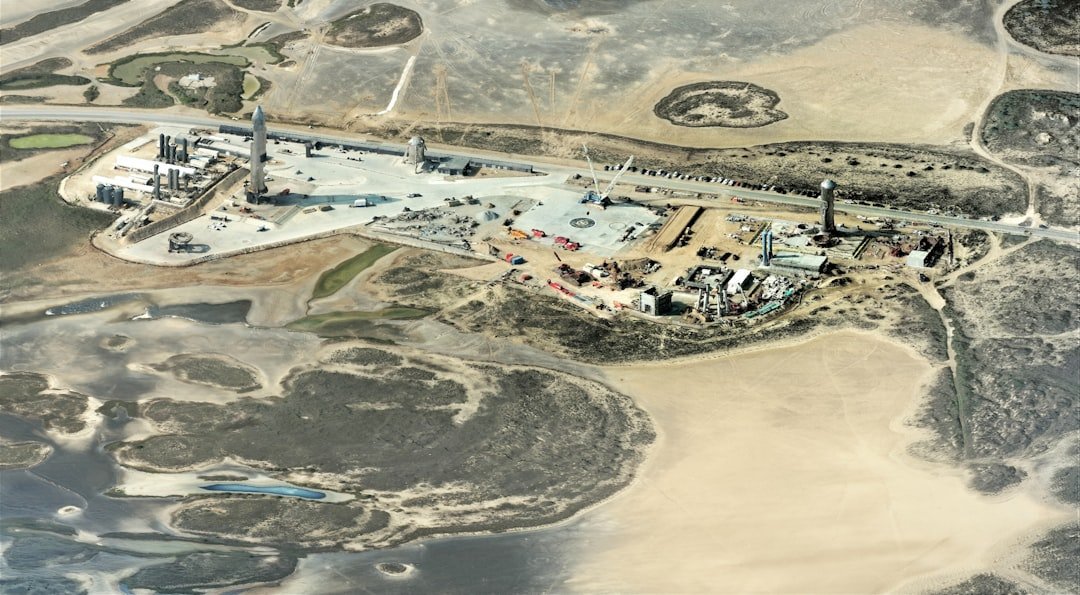
SpaceX has recently highlighted a significant, yet often overlooked, challenge for the burgeoning AI industry: water scarcity. Yes, you read that right – the company known for launching rockets and internet satellites is now pointing to a lack of water as a critical risk to the future of AI infrastructure. This isn’t just about turning on a tap; the immense computing power required to train and run sophisticated AI models demands enormous amounts of energy, and cooling these power-hungry data centres relies heavily on water. Essentially, if we can’t efficiently cool these server farms, the AI revolution could hit a very literal bottleneck.
It might seem counterintuitive to link AI with water, but the connection is very real and becoming increasingly problematic. Think of a data centre as a gigantic brain, constantly firing off electrical signals. Just like our brains generate heat, so do these server racks, but on an industrial scale.
Cooling Data Centres: A Constant Battle
Modern data centres are packed with powerful processors, all working overtime to handle the complex computations needed for AI. This intense activity generates a tremendous amount of heat. Without effective cooling, these expensive components would quickly overheat and fail, bringing the entire system to a grinding halt.
- Evaporative Cooling: Many large-scale data centres rely on evaporative cooling systems. These systems use water to absorb heat, which then evaporates, carrying theheat away into the atmosphere. It’s an efficient method but incredibly water-intensive, especially in arid or semi-arid regions where many data centres are located.
- Chilled Water Systems: Another common method involves circulating chilled water through pipes to absorb heat from the servers. This water then needs to be cooled down again, often using cooling towers that also consume significant amounts of water through evaporation.
- Direct-to-Chip Liquid Cooling: While more efficient in some ways, even advanced liquid cooling solutions still require a primary cooling system that often involves water at some stage to dissipate the absorbed heat from the circulating liquid.
The Energy-Water Nexus
The relationship between energy and water is a two-way street. Producing energy uses water (e.g., cooling power plants, hydro-electric dams), and treating/supplying water uses energy (e.g., pumping, desalination). AI exacerbates this nexus by demanding massive amounts of both, creating a vicious cycle of consumption. The more AI we build, the more water we need for cooling the energy-guzzling hardware.
SpaceX’s Direct Experience and Broader Implications
Why is SpaceX, a space exploration company, sounding the alarm on water scarcity? Their ventures, particularly Starlink, require substantial ground infrastructure. Running tens of thousands of satellites means managing a vast network of ground stations and data processing centres. These facilities, while perhaps not as large as a hyperscale AI data centre, still face the same cooling challenges.
Starlink and Ground Station Demands
Starlink’s global operation necessitates a distributed network of ground stations. These stations communicate with satellites and process vast amounts of data, generating considerable heat. As Starlink expands and potentially integrates more AI-driven services, the energy and cooling demands of these ground stations will only grow.
- Distributed Infrastructure: Unlike a single massive data centre, Starlink’s ground stations are spread across various geographical locations, some of which are already water-stressed. This decentralised approach means the water problem isn’t confined to a few tech hubs but becomes a global challenge.
- Future AI Integration: As AI becomes more embedded in network management, data analysis for satellite imagery, and even on-board satellite processing, the computational load—and therefore the need for cooling—will intensify across SpaceX’s operations.
Beyond SpaceX: A Global Issue
SpaceX’s warning isn’t just about their own operations; it’s a canary in the coal mine for the entire technology sector. Major tech giants like Google, Amazon, Microsoft, and Meta are all investing heavily in AI, building colossal data centres that are hungry for water.
- Location, Location, Location: Data centres are often built in regions with access to cheap land and reliable electricity. Historically, water availability hasn’t always been the primary deciding factor, leading to operations in areas now facing severe water stress. Think of drought-prone areas in the US Southwest or parts of Asia.
- Corporate Responsibility: Companies are increasingly facing scrutiny over their environmental impact. Water usage, alongside carbon emissions, is becoming a key metric for evaluating corporate sustainability. Ignoring water scarcity isn’t just an operational risk; it’s a reputational one.
The Scale of the Problem: How Much Water Are We Talking About?
Quantifying the exact water footprint of AI is challenging because data centres are often private, and specific water usage data isn’t always publicly disclosed. However, various studies and reports paint a concerning picture.
Estimates and Projections
While precise figures are hard to come by, estimates suggest that a single, large AI data centre can consume millions of litres of water per day. Some reports compare the daily water usage of a large data centre to that of a small city.
- Training AI Models: Training large language models (LLMs) like GPT-4 requires immense computational power running for weeks or months. During this intense training phase, the water consumption for cooling can be astronomical. A recent study estimated that training GPT-3 alone consumed hundreds of thousands of litres of water, which doesn’t even account for its ongoing operational use.
- Ongoing Operations: Even after training, AI models in use still require significant computational resources for inference (making predictions or generating content). This constant activity means continuous heat generation and, consequently, ongoing water demand for cooling.
Geographic Hotspots
The problem is particularly acute in regions already grappling with water scarcity. The American Southwest, parts of China, India, and the Middle East are all areas with significant data centre investment and increasing water stress.
- US Droughts: The ongoing drought conditions in the Western United States pose a direct threat to data centres located there. Restrictive water policies or even outright water shortages could force operational limitations or closures.
- Asian Markets: Asia is a rapidly growing market for AI and cloud computing, leading to a boom in data centre construction. Many parts of Asia, however, are already facing severe water stress due to population density, agricultural demands, and climate change.
Potential Solutions and Mitigation Strategies
While the challenge is significant, it’s not insurmountable. The tech industry, spurred by warnings like SpaceX’s, is actively exploring and implementing various strategies to reduce water consumption.
Innovative Cooling Technologies
The quest for more water-efficient cooling is a major area of research and development.
- Air Cooling Optimisation: Improving the efficiency of traditional air cooling, for example, through hot/cold aisle containment, advanced airflow management, and higher server inlet temperatures (allowing servers to operate at warmer temperatures without performance degradation) can reduce the need for supplemental water-based cooling.
- Immersion Cooling: Submerging server components directly into a dielectric fluid (a liquid that doesn’t conduct electricity) is highly efficient at heat transfer. While the initial fluid fill can be substantial, these systems typically have very little evaporative loss, drastically reducing ongoing water consumption.
- Direct Liquid Cooling: Circulating liquid directly to critical components within the server rack offers superior cooling compared to air. While still often needing a water-based system to dissipate the heat from the liquid, it can reduce overall water usage compared to fully relying on evaporative coolers.
- Waste Heat Reuse: A more holistic approach involves capturing the waste heat generated by data centres and repurposing it for other uses, such as district heating for nearby buildings, greenhouses, or even industrial processes. This not only reduces the need for cooling but also improves energy efficiency overall.
Smart Location Planning and Renewable Energy
Where data centres are built and how they’re powered are crucial factors in addressing water scarcity.
- Proximity to Sustainable Water Sources: Companies are increasingly considering access to non-potable water sources (e.g., treated wastewater, greywater, seawater with desalination) when siting new data centres. Some are even exploring locations near large bodies of water for direct liquid cooling or proximity to hydro-electric power, although even these methods have environmental considerations.
- Renewable Energy Integration: Powering data centres with renewable energy sources like solar and wind reduces the water footprint associated with conventional power generation (e.g., coal, nuclear power plants require significant water for cooling). This tackles the energy-water nexus from the energy supply side.
- Modular and Distributed Data Centres: Smaller, modular data centres located closer to the edge of the network can reduce the need for massive, centralised facilities, potentially allowing for more localised and sustainable cooling solutions.
Policy and Collaboration
Addressing a systemic issue like water scarcity requires more than just technological solutions from individual companies.
- Government Regulations and Incentives: Governments can play a vital role by implementing regulations on data centre water usage, offering incentives for sustainable cooling technologies, and investing in water infrastructure improvements.
- Inter-Industry Collaboration: Tech companies, academic institutions, and water management experts need to collaborate to share best practices, develop open standards for water efficiency, and collectively address regional water challenges.
- Transparency and Reporting: Increased transparency from data centre operators regarding their water consumption is crucial for understanding the true scale of the problem and for holding companies accountable for their environmental impact.
The Future: A Sustainable AI Ecosystem?
| Metrics | Data |
|---|---|
| Company | SpaceX |
| Issue | Water Scarcity as Critical AI Infrastructure Risk |
| Impact | Investor Warning |
SpaceX’s warning serves as a crucial reminder that the rapid acceleration of AI comes with significant underlying resource demands. Ignoring these challenges, particularly water scarcity, could have profound implications for the industry’s growth and environmental sustainability.
Beyond the Hype Cycle
As AI moves beyond the initial hype cycle and becomes increasingly embedded in our daily lives and critical infrastructure, a mature and responsible approach to its development and deployment is essential. This includes grappling with its resource footprint head-on.
- Rethinking AI Architecture: Future AI models and architectures may need to be designed with efficiency in mind from the ground up, reducing their reliance on massive, energy-intensive training and inference. “Green AI” is an emerging field focused on developing less resource-intensive AI.
- Resource Optimisation: Just as software developers optimise code for performance, there’s a growing need to optimise AI infrastructure for resource efficiency, particularly water and energy. This means smarter scheduling, dynamic workload management, and utilising idle capacity more effectively.
A Call to Action
The message from SpaceX is clear: water scarcity isn’t a distant, theoretical problem for the AI industry; it’s a present and critical risk. Addressing it will require a multi-faceted approach involving technological innovation, strategic planning, and concerted effort across government, industry, and academia. The future of AI, in a very real sense, hinges on our ability to manage its thirst. Overlooking this vital resource would be a profound oversight in our pursuit of artificial intelligence.