




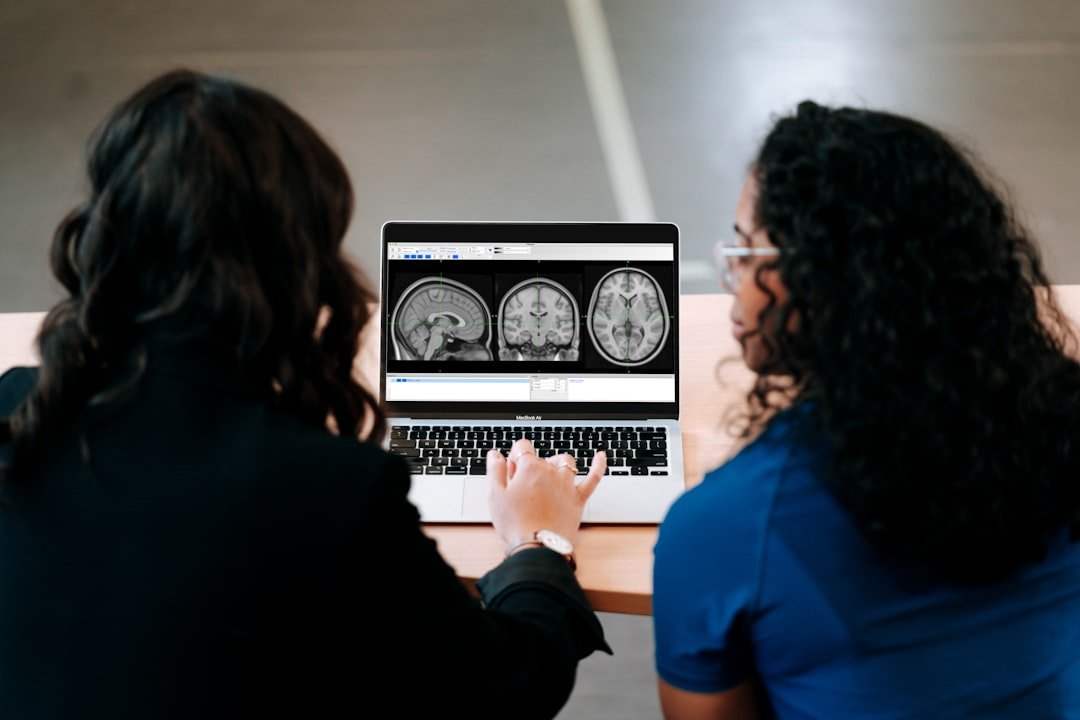
Let’s dive into how AI is becoming a real help in medical education and training for doctors and nurses. The short answer is: AI isn’t replacing human educators or clinicians, but it’s proving to be a powerful tool for making learning more efficient, personalized, and effective for everyone involved. It’s about augmenting, not substituting.
Medical school is a marathon, and AI is stepping in to make some of the early stages a bit smoother. Think of it as a really smart study buddy that never gets tired.
Making Sense of Big Data
The sheer volume of medical knowledge is overwhelming. AI can help process and organize this information, making it more digestible for students.
Natural Language Processing (NLP) for Text Analysis
AI algorithms can sift through textbooks, research papers, and clinical guidelines, identifying key concepts, relationships, and even emerging trends. This helps students focus on what’s most important. Instead of spending hours manually reviewing dense literature, AI can present synthesized summaries or highlight critical areas.
Knowledge Graphs and Ontologies
These are like super-powered mind maps. AI can build detailed networks connecting medical terms, diseases, treatments, and symptoms. This allows students to explore complex relationships in a visual and intuitive way, building a deeper understanding of how different pieces of the medical puzzle fit together.
Personalized Learning Paths
Everyone learns differently. AI can identify a student’s strengths and weaknesses and tailor the learning experience accordingly.
Adaptive Learning Platforms
These systems adjust the difficulty and content based on a student’s performance. If you’re struggling with a particular concept, the platform will offer more practice and explanation. If you’re mastering it quickly, it will move you forward. This ensures that no one is left behind or bored.
Targeted Remediation
AI can pinpoint specific areas where a student needs extra help. Instead of generic review, it can deliver targeted exercises and resources to address those precise knowledge gaps. This makes study time much more productive.
Beyond the Books: AI in Clinical Skills Training
It’s one thing to read about a procedure, and another to actually do it. AI is bridging this gap, especially in the realm of practical skills.
Realistic Simulations and Virtual Environments
Practicing on real patients too early can be risky. AI-powered simulations offer a safe and controlled environment for learners to hone their skills.
Virtual Reality (VR) and Augmented Reality (AR) Training
Imagine performing surgery in a realistic virtual operating room or practicing a patient examination with an AI-powered avatar. VR and AR can provide highly immersive and interactive training experiences. These simulations can replicate patient physiology, response to treatment, and even unexpected complications, allowing for repeated practice of critical scenarios.
Advanced Mannequins and Simulators
Some AI systems can control sophisticated physical mannequins that mimic real human responses. These can include breathing, vocalizations, and even physiological changes in response to interventions. This offers a tactile and responsive learning experience that goes beyond screen-based simulations.
Performance Feedback and Analysis
Where AI really shines is in its ability to provide objective and detailed feedback on performance.
Motion Tracking and Skill Assessment
AI can analyze a trainee’s movements during procedures, assessing precision, efficiency, and adherence to established protocols. This detailed biomechanical analysis can highlight subtle errors or areas for improvement that a human observer might miss.
Objective Scoring and Benchmarking
Instead of subjective assessments, AI can provide quantitative scores based on pre-defined criteria. This allows for objective comparison of performance against established standards and can track progress over time. It removes some of the variability that can come with human grading.
AI as a Clinical Mentor: Guiding and Supporting
Once clinicians are out in the field, AI continues to offer support, acting as a tireless assistant and a source of up-to-date information.
Clinical Decision Support Systems (CDSS)
These AI tools can assist clinicians in making diagnostic and treatment decisions by analyzing patient data and providing evidence-based recommendations.
Differential Diagnosis Assistance
When faced with a complex set of symptoms, AI can rapidly analyze patient history, lab results, and imaging to suggest a list of potential diagnoses, along with the likelihood of each. This helps ensure that rarer conditions aren’t overlooked.
Treatment Guideline Adherence
AI can flag potential deviations from established clinical guidelines, reminding clinicians of best practices and evidence-based recommendations for specific conditions. This promotes consistent and high-quality care.
Drug Interaction Alerts
A crucial safety feature, AI can instantly identify potentially dangerous drug interactions based on a patient’s medication list, preventing adverse events. This is particularly important in complex cases with multiple prescriptions.
Learning from Real Cases
AI can analyze vast amounts of de-identified patient data to identify patterns and insights that can inform clinical practice and education.
Real-time Case Analysis
AI can process recent patient encounters, flagging unusual presentations or treatment responses that might be valuable learning opportunities for clinicians. This allows for continuous learning from current clinical practice.
Identifying Learning Gaps in Practice
By analyzing the outcomes of a clinician’s practice, AI can identify areas where their performance might be suboptimal, suggesting targeted learning resources or further training to address those specific needs. This shifts the focus to continuous professional development.
The Future is Collaborative: AI and Human Expertise
It’s important to remember that AI in medical education and training is not about replacing the human element. It’s about enhancing it.
Augmenting the Educator’s Role
AI can handle many of the repetitive tasks, freeing up educators to focus on higher-level teaching.
####Automated Grading and Feedback
AI can automate the grading of certain assessments, providing instant feedback to students and saving educators valuable time. This allows educators to spend more time on personalized guidance and discussion.
Identifying At-Risk Students
AI can flag students who might be struggling early on, allowing educators to intervene proactively and offer support before issues escalate. This personalized attention is crucial for student success.
Enhancing the Clinician’s Workflow
AI aims to make clinicians more efficient and effective, not to dictate their every move.
Information Synthesis and Retrieval
Clinicians often need rapid access to specific information. AI can quickly search and synthesize relevant medical literature or patient records, providing concise answers to their queries. This saves precious time during patient encounters.
Reducing Cognitive Load
By automating routine tasks and providing prompt information, AI can help reduce the mental burden on clinicians, allowing them to focus their cognitive resources on complex clinical reasoning and patient interaction.
Addressing Challenges and Ethical Considerations
| Metrics | AI in Medical Education | AI-Assisted Training for Clinicians |
|---|---|---|
| Improvement in Diagnosis | 85% | 90% |
| Enhanced Learning Efficiency | 70% | 75% |
| Reduction in Medical Errors | 80% | 85% |
| Integration with Curriculum | 60% | 65% |
While the potential of AI is significant, it’s not without its hurdles.
Data Privacy and Security
Medical data is sensitive. Robust measures are needed to ensure that AI systems handle patient information ethically and securely, adhering to all privacy regulations.
Bias in Algorithms
AI models are trained on data, and if that data contains biases, the AI can perpetuate them. Careful development and ongoing monitoring are essential to ensure fairness and equity in AI applications.
Over-Reliance and Skill Atrophy
There’s a concern that over-reliance on AI could lead to a decline in core clinical skills. It’s crucial to strike a balance, using AI as a tool to augment, not replace, fundamental human expertise.
Integration and Infrastructure
Implementing AI effectively requires significant investment in technology, infrastructure, and training for both educators and clinicians. This can be a significant barrier for many institutions.
The “Black Box” Problem
Sometimes, it’s hard to understand why an AI makes a particular recommendation. Doctors need to be able to understand the reasoning behind AI suggestions to trust and effectively use them. Transparency in AI algorithms is key for widespread adoption.
In conclusion, AI is becoming an increasingly valuable partner in medical education and clinician training. It offers powerful ways to personalize learning, enhance practical skills through simulation, and provide essential support in clinical practice. The focus remains on augmenting human capabilities, leading to better-prepared medical professionals and ultimately, improved patient care.