








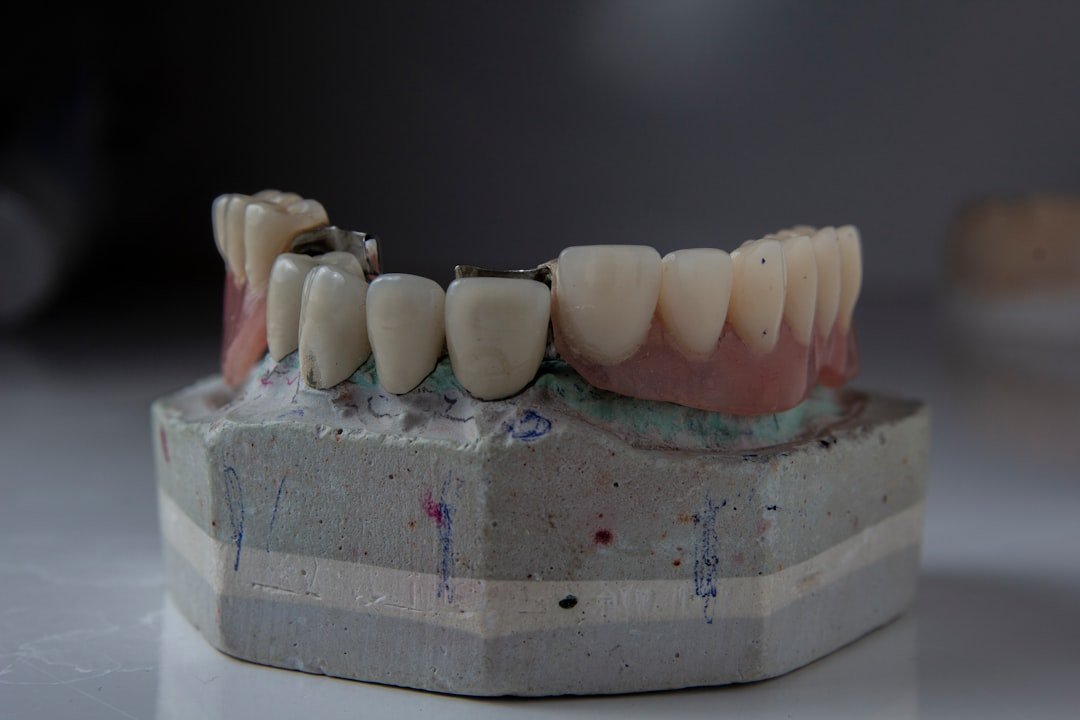
By 2026, AI-guided implant planning and precision dentistry are set to become significantly more integrated into everyday dental practice, moving beyond early adoption to a more widespread, practical application. Think of it as having a highly intelligent assistant that helps your dentist make incredibly accurate plans for things like dental implants. This isn’t about robots taking over; it’s about leveraging powerful computing to enhance the predictability and success of complex dental procedures, ultimately benefiting you, the patient. The core idea is to use AI to analyze vast amounts of patient data, including 3D scans and medical history, to create a highly personalized and precise treatment plan. This leads to better outcomes, less chair time, and a more comfortable experience overall.
AI-guided implant planning isn’t magic; it’s sophisticated data analysis. Essentially, AI algorithms process detailed information about your mouth – bone density, nerve locations, existing teeth, and even gum tissue – to predict the absolute best placement for dental implants. This level of detail far surpasses what’s possible with traditional methods alone.
The Foundation: High-Quality Imaging
The accuracy of AI-guided planning hinges on the quality of the initial data. This means advanced imaging technologies play a crucial role.
Cone Beam Computed Tomography (CBCT) Scans
CBCT scans provide a 3D view of your jawbone, teeth, and surrounding structures. This is the raw material for the AI. The clarity and resolution of these scans directly impact the precision of the subsequent AI analysis. Expect to see even higher resolution CBCT units becoming standard in many practices.
Intraoral Scanners
These devices create a highly accurate digital impression of your teeth and gums. This “digital putty” complements the CBCT by capturing surface details and occlusion (how your teeth bite together). AI can then integrate this surface data with the bone structure information.
How AI Interprets the Data
Once the imaging data is captured, AI gets to work. It’s not about a human looking at a scan and guessing; it’s about algorithms identifying patterns and making calculations at speeds and with a level of detail that’s simply not humanly possible.
Bone Density and Quality Assessment
AI can analyze subtle variations in bone density that might be missed by the human eye. This is critical for ensuring an implant has a stable foundation. It can predict how the bone will respond to the implant over time.
Nerve and Anatomical Landmark Identification
Crucially, AI excels at precisely mapping the location of nerves and other vital structures within the jaw. This is paramount for avoiding complications and ensuring patient safety during surgery. The AI can highlight these critical areas with a high degree of certainty.
Predictive Modeling for Implant Stability
Based on the bone quality and the proposed implant position, AI can predict how stable the implant is likely to be. This helps dentists avoid areas of poor bone support and select the optimal implant type and size.
The Outcome: A Personalized Surgical Blueprint
The end product of AI-guided planning is not a single solution but a detailed, actionable blueprint for the surgery.
Angulation and Depth Optimization
AI helps determine the precise angle and depth for implant placement, maximizing contact with the bone and minimizing risk to adjacent structures. This optimizes the implant’s long-term success.
Avoiding Critical Structures
AI can flag potential risks, such as proximity to the mandibular nerve or maxillary sinus, and suggest alternative placement strategies to ensure safety. This takes a lot of the guesswork out of complex cases.
Virtual Surgical Simulation
Before any real surgery, the AI can generate a virtual simulation of the entire implant placement process. This allows the dental team to “practice” the procedure, identify potential challenges, and refine the plan.
Precision Dentistry: The Practical Application
Precision dentistry, powered by AI-guided planning, is about making dental treatments more accurate, less invasive, and more predictable. It’s a move away from generalized approaches to highly individualized care.
From Plan to Reality: Guided Surgery
The detailed AI plan is then translated into tangible surgical guidance. This ensures that the implant is placed exactly where the AI predicted it should go.
Surgical Guides
These are custom-made trays or templates, often 3D-printed, that fit over your teeth. They have holes precisely positioned to guide the surgeon’s drills to the exact location, angle, and depth determined by the AI.
Robotic Assistance
While not yet widespread for routine implant placement, robotic systems are starting to be integrated. These robots can execute the surgical steps with incredible accuracy, following the AI-generated plan under the supervision of the dentist. This is still an emerging area but one that will see more development.
Enhancing Patient Experience
Precision dentistry isn’t just about technical accuracy; it’s about improving the patient journey.
Reduced Chair Time
With a highly accurate plan and guided surgery, the actual surgical time can be significantly reduced. Less time in the dental chair is always a good thing.
Minimized Discomfort and Swelling
Precise implant placement can lead to less trauma to the surrounding tissues, resulting in less post-operative pain, swelling, and a faster recovery.
Improved Predictability of Outcomes
The major benefit is increased confidence in the success of the implant. Patients are more likely to achieve the desired functional and aesthetic results.
Beyond Implants: AI in Restorative Dentistry
The principles of AI-guided precision are expanding beyond implant surgery into other areas of restorative dentistry.
Crown and Bridge Design
AI can assist in designing highly accurate and aesthetically pleasing crowns and bridges, considering factors like occlusion, tooth shape, and even matching the color of adjacent teeth.
Orthodontic Planning
AI algorithms are already being used to analyze orthodontic patient data and create optimized treatment plans for braces or clear aligners, predicting tooth movement and treatment duration.
The Evolving Role of the Dentist
AI isn’t replacing dentists; it’s augmenting their skills. The dentist’s expertise in diagnosis, patient communication, and surgical judgment remains paramount.
Interpreting AI Outputs
The dentist doesn’t just blindly follow AI recommendations. They are trained to interpret the AI’s findings, cross-reference them with their own clinical experience, and make the final treatment decisions.
Integrating Technology into Practice
Dental professionals will need to invest in new technologies and training to effectively utilize AI-guided systems. This represents a shift in how dental practices operate.
Continuous Learning and Adaptation
The field of AI is rapidly evolving. Dentists will need to engage in ongoing learning to stay abreast of the latest AI advancements and how they can be applied to patient care.
Patient Education and Consent
Clear communication with patients about the role of AI in their treatment is essential. Dentists will need to explain the benefits, limitations, and how these technologies contribute to better outcomes.
Challenges and Considerations for 2026
While the outlook is positive, there are practical hurdles to overcome to see widespread adoption by 2026.
Cost and Accessibility
The initial investment in advanced imaging equipment, AI software, and training can be substantial. This may limit early access for some practices.
Insurance Coverage
As these technologies become more common, we can expect to see changes in insurance coverage for AI-guided procedures. This will significantly influence patient access.
Data Security and Privacy
Handling sensitive patient data requires robust cybersecurity measures. Ensuring the privacy and security of this information is crucial.
Regulatory Hurdles
The regulatory landscape for AI in healthcare is still developing. Approvals and guidelines will continue to shape the implementation of these technologies.
The Human Touch Remains Key
Even with advanced AI, empathy, understanding, and excellent patient care are irreplaceable. Technology should enhance, not detract from, the patient-dentist relationship.
The Future of Dental Care: A Glimpse into 2026 and Beyond
| Metrics | 2026 |
|---|---|
| Number of dental implants planned using AI guidance | 500,000 |
| Accuracy of AI-guided implant planning | 95% |
| Reduction in implant placement time with AI guidance | 50% |
| Number of dentists using AI-guided implant planning | 10,000 |
By 2026, AI-guided implant planning and precision dentistry will be more than just buzzwords. You can expect to see them becoming increasingly common tools in dental practices seeking to offer the highest level of care.
Increased Predictability and Success Rates
The core promise is fewer complications and better, more reliable results for procedures like dental implants. This translates directly to better long-term oral health for patients.
Personalized Treatment Pathways
AI allows for treatment plans that are tailored precisely to each individual’s unique anatomy and needs, moving away from a one-size-fits-all approach.
Enhanced Patient Comfort and Reduced Treatment Time
The efficiency and accuracy brought by AI should lead to quicker procedures and a more comfortable recovery experience.
Democratization of Advanced Techniques
As the technology matures and becomes more affordable, these advanced planning and precision techniques are likely to become more accessible to a wider range of patients.
A Continuously Evolving Landscape
The next few years will undoubtedly bring further innovations. What we see in 2026 will likely be just a stepping stone to even more sophisticated AI applications in dentistry. It’s an exciting time for both dental professionals and patients as technology continues to elevate the standard of care.