








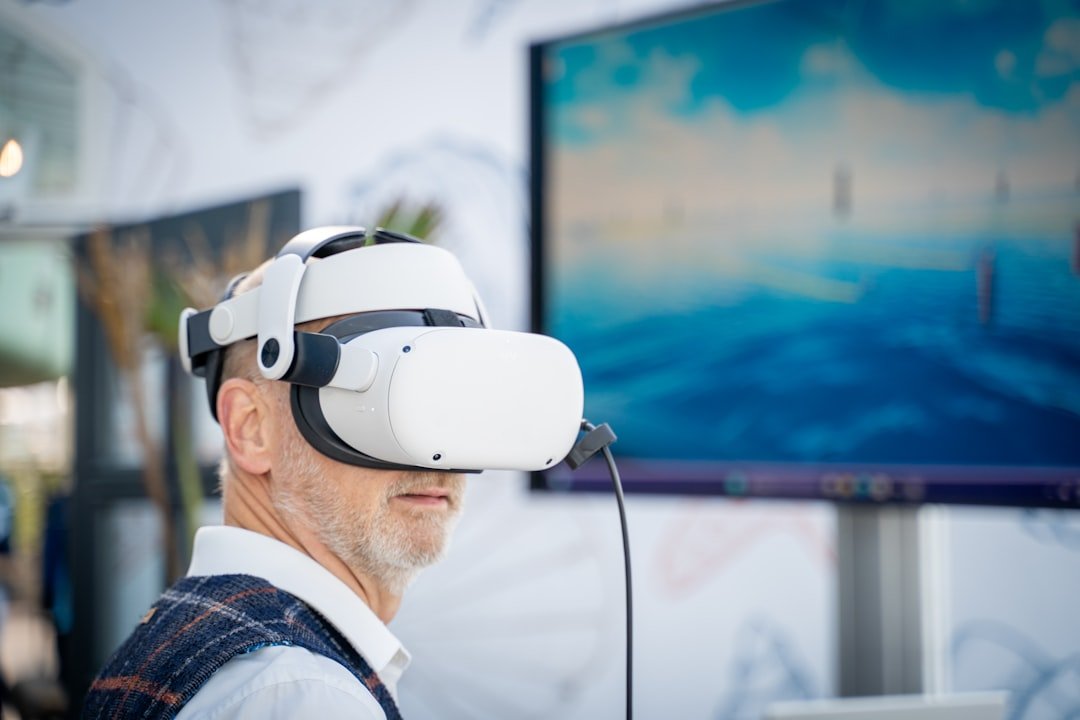
Gamification in education has emerged as a transformative approach that leverages game design elements to enhance the learning experience. This trend has gained momentum over the past decade, driven by the increasing integration of technology in classrooms and the growing recognition of the need for engaging educational methods. By incorporating elements such as points, badges, leaderboards, and challenges, educators aim to motivate students and foster a more interactive learning environment.
The rise of gamification can be attributed to several factors, including the digital native generation’s affinity for technology and gaming, which has reshaped their expectations of how learning should occur. Moreover, research has shown that gamification can lead to improved retention rates and a deeper understanding of subject matter. For instance, a study conducted by the University of Colorado found that students who participated in gamified learning environments scored significantly higher on assessments compared to their peers in traditional settings.
This evidence underscores the potential of gamification to not only engage students but also enhance their academic performance. As educational institutions increasingly adopt gamified strategies, the landscape of learning is evolving, making it essential for educators to understand and implement these techniques effectively.
Key Takeaways
- Gamification transforms education by making learning interactive and game-like, boosting student engagement and motivation.
- Immersive learning uses real-life scenarios to enhance critical thinking and problem-solving skills in students.
- Artificial Intelligence personalizes education through adaptive assessments and tailored learning experiences.
- The integration of AI is reshaping the role of teachers, enabling more personalized and efficient instruction.
- Combining gamification, immersive learning, and AI presents both challenges and opportunities for creating a holistic future education system.
How Immersive Learning is Changing the Classroom Experience
Immersive learning represents a paradigm shift in education, utilizing technologies such as virtual reality (VR), augmented reality (AR), and simulations to create engaging and interactive learning experiences. This approach allows students to step into realistic scenarios that enhance their understanding of complex concepts. For example, medical students can practice surgical procedures in a virtual environment, gaining hands-on experience without the risks associated with real-life operations.
Such immersive experiences not only make learning more engaging but also provide opportunities for experiential learning that traditional methods cannot offer. The impact of immersive learning extends beyond mere engagement; it fosters collaboration and communication among students. In a VR classroom, learners can work together on projects, share insights, and solve problems in real-time, regardless of their physical location.
This collaborative aspect is particularly beneficial in developing soft skills such as teamwork and communication, which are essential in today’s workforce. As immersive technologies continue to advance, they are poised to redefine the classroom experience, making learning more relevant and applicable to real-world situations.
The Role of Artificial Intelligence in Revolutionizing Education
Artificial intelligence (AI) is playing an increasingly pivotal role in reshaping education by providing personalized learning experiences tailored to individual student needs. AI algorithms can analyze vast amounts of data to identify learning patterns, strengths, and weaknesses, enabling educators to customize instruction accordingly. For instance, platforms like DreamBox Learning utilize AI to adapt math lessons based on a student’s performance in real-time, ensuring that each learner progresses at their own pace.
This level of personalization not only enhances student engagement but also promotes mastery of content. Furthermore, AI is streamlining administrative tasks for educators, allowing them to focus more on teaching and less on paperwork. Automated grading systems can evaluate student assignments quickly and accurately, providing immediate feedback that is crucial for learning.
Additionally, AI-driven analytics can help educators identify at-risk students early on, enabling timely interventions that can prevent academic failure. As AI continues to evolve, its integration into educational settings promises to create more efficient and effective learning environments.
Gamification: Turning Learning into a Game
Gamification transforms traditional educational practices by infusing them with game-like elements that make learning enjoyable and competitive. By introducing rewards systems such as points and badges, educators can motivate students to engage with the material actively. For example, platforms like Kahoot! allow teachers to create interactive quizzes where students compete against each other in real-time, turning assessments into fun challenges rather than stressful evaluations. This competitive aspect not only increases participation but also encourages students to strive for improvement. Moreover, gamification fosters a sense of achievement among learners. When students earn badges or reach new levels in their educational journey, they experience a boost in self-esteem and motivation. This positive reinforcement can lead to a growth mindset, where students view challenges as opportunities for development rather than obstacles. As gamification continues to gain traction in educational settings, it is essential for educators to design thoughtful and meaningful game mechanics that align with learning objectives to maximize its effectiveness.
Immersive Learning: Creating Real-Life Scenarios for Students
Immersive learning goes beyond traditional teaching methods by placing students in realistic scenarios that mimic real-world challenges. This approach allows learners to apply theoretical knowledge in practical contexts, enhancing their understanding and retention of information. For instance, history classes can utilize AR technology to recreate historical events, allowing students to experience them firsthand rather than merely reading about them in textbooks.
Such experiences deepen students’ connections to the material and foster critical thinking skills as they analyze situations from multiple perspectives. Additionally, immersive learning environments encourage experimentation and risk-taking without the fear of failure that often accompanies traditional assessments. In a simulated business environment, for example, students can make decisions about marketing strategies or financial investments and observe the outcomes of their choices in real-time.
This hands-on approach not only reinforces theoretical concepts but also cultivates essential skills such as decision-making and problem-solving. As immersive technologies become more accessible, they hold the potential to revolutionize how students engage with content across various disciplines.
AI in Education: Personalized Learning and Adaptive Assessments
The integration of artificial intelligence into education has paved the way for personalized learning experiences that cater to individual student needs. AI-driven platforms can assess a student’s current knowledge level and adapt instructional materials accordingly, ensuring that learners receive content that is neither too easy nor too challenging. For instance, platforms like Knewton use adaptive learning algorithms to tailor lessons based on student performance data, providing targeted resources that address specific gaps in understanding.
Adaptive assessments powered by AI further enhance this personalized approach by adjusting the difficulty of questions based on a student’s responses. If a student answers a question correctly, the system may present a more challenging question next; conversely, if they struggle with a concept, the assessment can provide additional support or simpler questions to reinforce understanding. This dynamic feedback loop not only helps students progress at their own pace but also allows educators to monitor individual growth effectively.
As AI continues to advance, its role in creating personalized learning pathways will become increasingly vital in fostering student success.
The Impact of Gamification on Student Engagement and Motivation
The implementation of gamification strategies has been shown to significantly enhance student engagement and motivation within educational settings. By transforming mundane tasks into interactive challenges, educators can capture students’ attention and encourage active participation in their learning journeys. For example, using game mechanics such as quests or missions can make even complex subjects more approachable and enjoyable for learners.
When students feel invested in their progress through gamified elements like leveling up or earning rewards, they are more likely to take ownership of their education. Moreover, gamification fosters intrinsic motivation by tapping into students’ natural desire for achievement and competition. When learners are rewarded for their efforts through badges or recognition on leaderboards, they experience a sense of accomplishment that drives them to continue striving for success.
This intrinsic motivation is crucial for long-term engagement; when students are motivated from within rather than relying solely on external rewards or grades, they are more likely to develop a love for learning that extends beyond the classroom.
Immersive Learning: Enhancing Critical Thinking and Problem-Solving Skills
Immersive learning environments are particularly effective at enhancing critical thinking and problem-solving skills among students. By placing learners in realistic scenarios where they must navigate challenges and make decisions based on available information, immersive experiences encourage analytical thinking and creativity. For instance, in a virtual science lab simulation, students might be tasked with conducting experiments while considering variables such as time constraints or resource limitations.
This hands-on approach not only reinforces theoretical knowledge but also cultivates essential skills needed for success in various fields. Furthermore, immersive learning promotes collaboration among students as they work together to solve complex problems. In group simulations or role-playing scenarios, learners must communicate effectively and share ideas to reach solutions collectively.
This collaborative aspect not only enhances critical thinking but also prepares students for real-world situations where teamwork is often essential for success. As immersive technologies continue to evolve, their potential to foster critical thinking and problem-solving skills will play a crucial role in preparing students for future challenges.
AI in Education: Redefining the Role of Teachers and Educators
The integration of artificial intelligence into educational settings is redefining the role of teachers and educators in profound ways. Rather than serving solely as dispensers of knowledge, educators are increasingly becoming facilitators of learning experiences tailored to individual student needs. With AI handling administrative tasks such as grading and data analysis, teachers can devote more time to engaging with students on a personal level and providing targeted support where it is most needed.
Moreover, AI empowers educators with valuable insights into student performance and engagement levels through data analytics. By leveraging this information, teachers can identify trends and patterns that inform instructional strategies and interventions. For instance, if data reveals that a particular group of students struggles with a specific concept, educators can adjust their teaching methods or provide additional resources accordingly.
This shift towards data-informed instruction allows teachers to be more proactive in addressing student needs while fostering a culture of continuous improvement within the classroom.
Challenges and Opportunities in Implementing Gamification, Immersive Learning, and AI in Education
While the potential benefits of gamification, immersive learning, and artificial intelligence in education are significant, there are also challenges associated with their implementation. One major hurdle is ensuring equitable access to technology for all students. Disparities in access can exacerbate existing inequalities within education systems; therefore, it is crucial for schools to address these gaps through initiatives that provide resources and training for both educators and learners.
Additionally, there is a need for professional development programs that equip teachers with the skills necessary to effectively integrate these innovative approaches into their classrooms. Many educators may feel overwhelmed by the rapid pace of technological change or lack confidence in their ability to implement new strategies effectively. Providing ongoing training and support will be essential for fostering a culture of innovation within educational institutions.
Despite these challenges, the opportunities presented by gamification, immersive learning, and AI are immense. By embracing these approaches thoughtfully and strategically, educators can create dynamic learning environments that engage students while promoting critical skills necessary for success in an increasingly complex world.
The Future of Education: Integrating Gamification, Immersive Learning, and AI for a Holistic Learning Experience
The future of education lies in the seamless integration of gamification, immersive learning experiences, and artificial intelligence into cohesive instructional strategies that cater to diverse learner needs. As technology continues to advance at an unprecedented pace, educational institutions must adapt by embracing innovative approaches that foster engagement and promote meaningful learning outcomes. In this evolving landscape, collaboration between educators, technologists, and policymakers will be essential for creating effective frameworks that support these initiatives while ensuring equitable access for all learners.
By prioritizing professional development opportunities for teachers and investing in infrastructure that supports technology integration within classrooms, schools can cultivate environments where gamification thrives alongside immersive experiences powered by AI. Ultimately, the goal is not merely to adopt new technologies but rather to create holistic educational experiences that empower students as active participants in their own learning journeys—preparing them not only for academic success but also for lifelong growth beyond the classroom walls.