








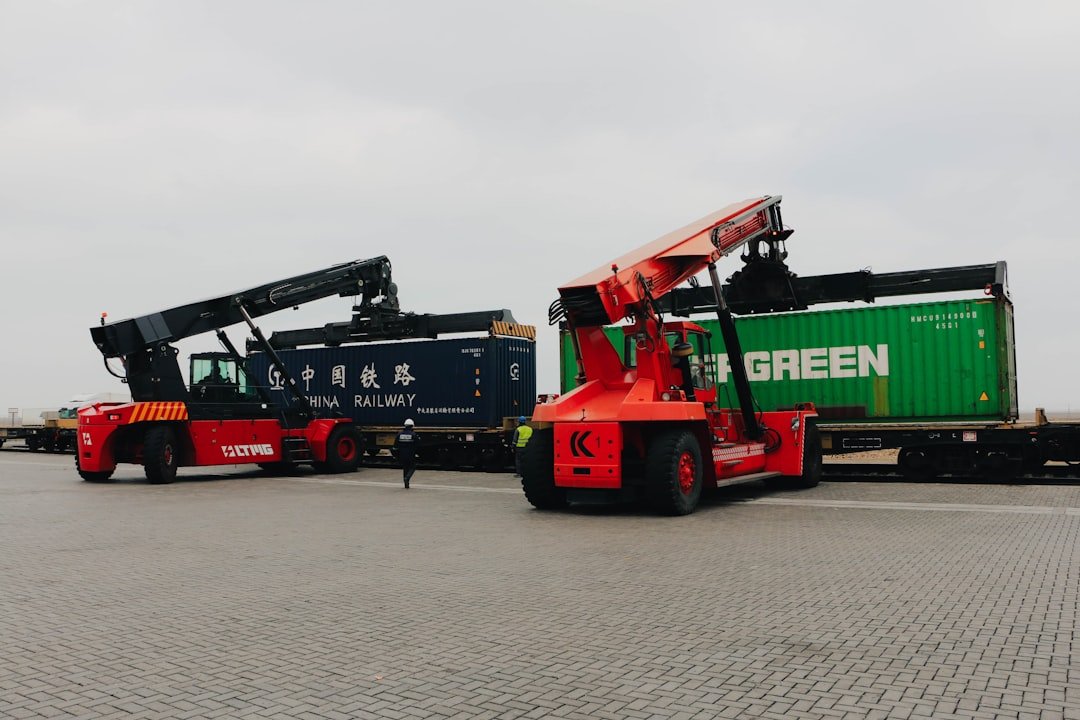
Supply chains are the arteries of commerce, carrying goods from their origin to their destination. Historically, their management has relied on human expertise, often supplemented by sophisticated analytical tools. However, the increasing complexity, speed, and interdependence of modern supply chains present challenges that push the limits of human capacity. Autonomous Artificial Intelligence (AI) decision-making emerges as a transformative force, offering the potential to optimize these complex networks by making real-time, data-driven choices with greater speed and accuracy than human operators alone. This article examines the principles, applications, and implications of employing autonomous AI in supply chain optimization.
The Foundation: Data and Algorithms in Supply Chains
The effectiveness of any AI system hinges on the quality and quantity of data it receives. In the context of supply chains, this data is a rich tapestry, woven from numerous sources.
Data Sources in Supply Chain Management
- Enterprise Resource Planning (ERP) Systems: These systems are the bedrock of many organizations, housing information on inventory levels, production schedules, financial transactions, and human resources. They provide a historical and current snapshot of internal operations.
- Warehouse Management Systems (WMS): WMS track the movement and storage of goods within a warehouse, offering granular detail on stockkeeping units (SKUs), bin locations, receiving, picking, and shipping activities.
- Transportation Management Systems (TMS): TMS focus on the logistics of moving goods, encompassing route planning, carrier selection, freight auditing, and shipment tracking. They are crucial for understanding transit times, costs, and potential disruptions.
- Internet of Things (IoT) Devices: Sensors embedded in vehicles, containers, and even individual products can collect real-time data on location, temperature, humidity, shock, and other environmental factors. This provides an unprecedented level of visibility into the physical flow of goods.
- External Data Feeds: This category includes a diverse range of information that can impact supply chain operations, such as weather forecasts, traffic conditions, economic indicators, geopolitical events, and competitor intelligence. These external factors act like weather fronts, capable of dramatically altering the landscape.
- Point of Sale (POS) Data: Retail sales data offers direct insights into consumer demand at the most granular level, enabling proactive adjustments to inventory and production.
Algorithmic Approaches for Optimization
A variety of AI algorithms are employed to process this data and drive decision-making. These algorithms are the tools with which AI dissects the complex workings of a supply chain.
- Machine Learning (ML): ML algorithms learn patterns from data without explicit programming. In supply chains, this translates to predictive capabilities.
- Supervised Learning: Algorithms are trained on labeled data (e.g., historical demand and corresponding sales). This allows them to predict future demand based on past performance.
- Unsupervised Learning: Algorithms identify patterns and structures in unlabeled data (e.g., clustering customers with similar purchasing behaviors). This can inform inventory segmentation and personalized logistics.
- Reinforcement Learning (RL): RL agents learn by trial and error, receiving rewards or penalties based on their actions. This is particularly suitable for dynamic environments where optimal strategies can change rapidly, such as routing under unpredictable conditions. Imagine an agent learning to navigate a maze, adjusting its path to reach the exit faster each time.
- Deep Learning (DL): A subset of ML that uses artificial neural networks with multiple layers to learn complex representations of data. DL excels at tasks like image recognition (e.g., quality control in manufacturing) and natural language processing (e.g., analyzing customer feedback).
- Optimization Algorithms: Traditional optimization techniques, often enhanced by AI, are used to find the best solution from a set of possibilities. This includes linear programming, mixed-integer programming, and heuristics. These algorithms act as skilled navigators, charting the most efficient course through a sea of variables.
- Natural Language Processing (NLP): NLP enables AI systems to understand and interpret human language, allowing them to process unstructured data like emails, news articles, and social media for potential supply chain impacts.
Autonomous AI in Action: Key Applications
The application of autonomous AI extends across numerous facets of supply chain management, moving beyond mere data analysis to active intervention and decision execution.
Demand Forecasting and Inventory Management
Accurate demand forecasting is the bedrock of efficient inventory management. Autonomous AI can significantly enhance this process, acting as an oracle for future consumer needs.
- Predictive Demand Sensing: Instead of relying solely on historical sales, AI can ingrain real-time signals from POS data, social media trends, and even competitor activities to predict demand shifts with greater granularity and lead time. This allows a business to see a ripple on the horizon before it becomes a wave.
- Dynamic Inventory Optimization: AI can continuously adjust inventory levels across multiple locations based on predicted demand, lead times, storage costs, and service level agreements. This minimizes stockouts and excess inventory, a delicate balancing act.
- Automated Replenishment Orders: AI can trigger replenishment orders automatically when inventory levels reach pre-defined thresholds, considering lead times, supplier reliability, and potential price fluctuations. This removes a manual bottleneck.
- Personalized Inventory Strategies: By analyzing customer segmentation and purchasing patterns, AI can tailor inventory strategies for specific customer groups or regions, ensuring the right products are available where and when they are most desired.
Transportation and Logistics Optimization
The movement of goods is a critical and often costly component of the supply chain. Autonomous AI can revolutionize how this is managed, orchestrating the flow of vehicles like a conductor leading an orchestra.
- Real-time Route Optimization: AI can dynamically re-route vehicles in response to traffic congestion, accidents, weather events, or new delivery requests, minimizing transit times and fuel consumption. This is about adapting to the ever-changing road conditions.
- Load Optimization and Consolidation: AI algorithms can determine the most efficient way to pack vehicles (e.g., maximizing cubic utilization) and consolidate shipments from multiple origins or destined for multiple locations, reducing the number of trips and associated costs.
- Carrier Selection and Negotiation: AI can analyze carrier performance, pricing, and availability to select the most suitable option for each shipment and even assist in automated negotiation based on pre-defined parameters.
- Predictive Maintenance for Fleets: By analyzing sensor data from vehicles, AI can predict potential equipment failures, allowing for proactive maintenance and reducing costly breakdowns and service disruptions.
Warehouse Operations and Automation
Warehouses are complex hubs of activity. Autonomous AI can bring unprecedented efficiency and accuracy to these operations.
- Automated Picking and Packing: Coupled with robotics, AI can direct automated guided vehicles (AGVs) and robotic arms to pick, sort, and pack orders with high speed and accuracy, minimizing human error and increasing throughput.
- Slotting Optimization: AI can analyze product velocity, dimensions, and order frequency to optimize the placement of items within the warehouse, reducing travel time for pickers (human or robot) and improving overall efficiency. Think of it as strategically placing frequently used tools within easy reach.
- Predictive Labor Planning: By forecasting workload based on anticipated order volumes and complexity, AI can help optimize labor scheduling, ensuring sufficient staff are available during peak periods without excessive overstaffing during lulls.
- Quality Control and Inspection: AI-powered computer vision systems can perform automated quality checks on incoming and outgoing goods, identifying defects or discrepancies far more reliably and quickly than human inspectors.
Supplier Relationship Management and Risk Mitigation
The supply chain is a network of interdependencies, and managing relationships with suppliers is paramount. Autonomous AI can act as a vigilant guardian of these connections.
- Supplier Performance Monitoring: AI can continuously monitor supplier performance metrics, such as on-time delivery, quality, and adherence to contracts, flagging deviations and potential issues proactively.
- Predictive Risk Assessment: By analyzing financial data, news feeds, and geopolitical events, AI can predict potential risks associated with specific suppliers or regions, enabling proactive mitigation strategies. This is like having a crystal ball for potential supply chain storms.
- Automated Order Placement and Expediting: AI can manage the ordering process with suppliers, ensuring timely replenishment and automatically initiating expediting measures when necessary based on inventory levels and predicted demand.
- Contract Compliance Monitoring: AI can analyze supplier invoices and delivery documents against contractual terms to ensure compliance and identify any discrepancies or overcharges.
The Transition to Autonomous Decision-Making
The shift from traditional human-led decision-making to autonomous AI involves a structured approach. It is not a sudden leap but rather a carefully managed evolution.
Enabling Technologies and Infrastructure
Successful implementation requires a robust technological backbone.
- Cloud Computing: Provides the scalable computing power and storage necessary to process vast amounts of supply chain data and host complex AI algorithms.
- Big Data Analytics Platforms: Specialized platforms are needed to ingest, process, and analyze the diverse and high-volume data generated by supply chains.
- APIs and Integration Layers: Seamless integration between various systems (ERP, WMS, TMS, IoT platforms) is crucial for data flow and AI-driven action.
- Cybersecurity: Robust security measures are paramount to protect sensitive supply chain data and prevent malicious interference with autonomous decision-making systems.
Implementation Strategies and Challenges
Embarking on the path to autonomous AI in supply chains is not without its hurdles.
- Phased Deployment: Rather than a “big bang” approach, a phased deployment, starting with specific use cases and gradually expanding, is generally more effective. This allows for learning and adaptation.
- Data Governance and Quality: Establishing clear data governance policies and ensuring data accuracy and completeness are fundamental to the success of any AI initiative. Garbage in, garbage out.
- Talent Development and Upskilling: The introduction of AI necessitates a workforce with new skills in data science, AI ethics, and system oversight. This requires investment in training and upskilling existing employees.
- Change Management: Overcoming resistance to change from employees accustomed to traditional methods is a significant aspect of successful implementation. Open communication and demonstrating tangible benefits are key.
- Ethical Considerations and Bias: Ensuring AI decision-making is fair, transparent, and free from unintended biases is critical. This requires careful algorithm design and ongoing monitoring.
- Regulatory Compliance: Staying abreast of evolving regulations related to AI and data privacy, particularly in global supply chains, is essential.
The Impact and Future of Autonomous AI in Supply Chains
The integration of autonomous AI is reshaping the very fabric of supply chain operations, promising a future of unprecedented efficiency and resilience.
Enhanced Resilience and Agility
- Proactive Disruption Management: Autonomous AI can identify potential disruptions far earlier than traditional methods, allowing for proactive rerouting, rer-booking, or alternative sourcing, thereby minimizing impact. This means being able to weather the storm rather than being caught in its full fury.
- Dynamic Network Reconfiguration: In response to unforeseen events, AI can autonomously reconfigure supply chain networks, adjusting suppliers, production sites, and distribution routes in real-time to maintain continuity.
- Improved Responsiveness to Market Shifts: The ability to process real-time market signals allows autonomous systems to adapt quickly to changes in consumer demand or competitive landscapes.
Economic and Operational Benefits
- Reduced Costs: Optimized inventory, efficient transportation, reduced waste, and minimized disruptions all contribute to significant cost savings.
- Increased Efficiency and Throughput: Automation of tasks and optimized processes lead to higher operational efficiency and increased output.
- Improved Customer Satisfaction: Faster delivery times, fewer stockouts, and greater order accuracy translate to enhanced customer experience.
- Data-Driven Strategic Decisions: The wealth of insights generated by AI provides a robust foundation for strategic decision-making across the entire organization.
The Future Horizon
The journey of autonomous AI in supply chains is still in its early stages, with many exciting developments on the horizon.
- Hyper-Personalized Logistics: AI will enable highly customized delivery options catering to individual consumer preferences and schedules.
- Self-Healing Supply Chains: Future systems may possess the ability to automatically detect, diagnose, and resolve a wide range of operational issues without human intervention.
- Decentralized Autonomous Organizations (DAOs) for Supply Chains: Concepts of distributed ledger technology and DAOs could lead to more transparent and collaboratively managed supply chains.
- Integration with Emerging Technologies: Further advancements will likely see deeper integration with 5G, blockchain, and advanced robotics, amplifying AI’s capabilities. The supply chain of the future will be a highly intelligent, interconnected organism.
In conclusion, the implementation of autonomous AI decision-making in supply chain management represents a significant evolution. By leveraging vast datasets and sophisticated algorithms, these systems offer the potential to optimize operations, enhance resilience, and drive substantial economic benefits. The transition requires careful planning, technological investment, and a commitment to adapting to new ways of working, but the rewards promise a more efficient, agile, and robust future for global commerce.