








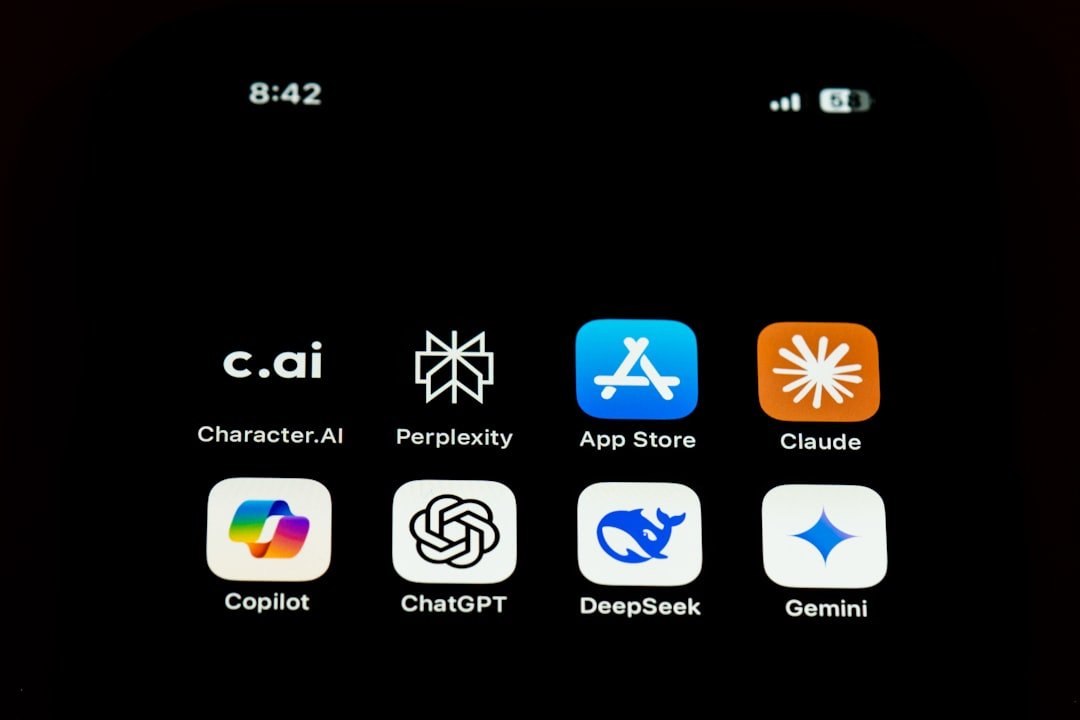
Generative artificial intelligence (AI) is beginning to influence the structure and content of curricula within higher education. This technology, characterized by its ability to create new content—text, images, code, and more—based on existing data, presents both opportunities and challenges for how academic institutions prepare students for the future. The integration of generative AI is not merely about adopting a new tool; it represents a fundamental shift in pedagogical approaches and the very definition of valuable skills.
The advent of generative AI necessitates a re-evaluation of what constitutes essential skills for graduates. Beyond traditional literacy in reading and writing, a new set of competencies is emerging.
Understanding AI Capabilities and Limitations
Students will require a foundational understanding of how generative AI models function. This involves grasping concepts such as training data, algorithms, prompt engineering, and the inherent biases that can be present in AI-generated outputs. It is akin to understanding the printing press in an era of mass-produced texts; one needs to know how it works to effectively utilize and critically assess its products.
The Mechanics of Prompt Engineering
A significant development is the rise of “prompt engineering,” the art and science of crafting effective instructions to guide AI models towards desired outcomes. This is not simply asking a question; it involves nuanced phrasing, context setting, and iterative refinement to elicit accurate, relevant, and creative responses. Curricula will need to incorporate training in this area, treating it as a vital communication skill.
Critically Evaluating AI Output
The ability to discern between accurate, biased, or fabricated information generated by AI is paramount. Students must be equipped with critical thinking skills to fact-check AI outputs, identify potential misinformation, and understand the ethical implications of relying solely on AI-generated content. This is not a passive consumption model; it demands active engagement and scrutiny.
AI as a Learning Accelerator
Generative AI can serve as a powerful assistant in the learning process, offering personalized support and novel ways to engage with subject matter.
Personalized Learning Pathways
AI can analyze a student’s learning patterns and provide customized recommendations for resources, exercises, and study plans. This can help address individual learning gaps and accelerate progress, acting like a dedicated tutor available at any hour.
Enhanced Research and Information Synthesis
Generative AI can assist in literature reviews by summarizing vast amounts of text, identifying key themes, and even suggesting research avenues. This can free up student time for higher-level analysis and original thought, rather than being bogged down in the initial stages of information gathering.
Reimagining Assessment and Academic Integrity
The capabilities of generative AI directly challenge traditional methods of assessment, prompting a critical review of how learning is measured and how academic integrity is maintained.
The Challenge to Traditional Essay Writing
The ease with which AI can generate coherent essays has led to questions about the future of written assignments. Institutions are grappling with how to ensure that submitted work reflects genuine student understanding and effort.
Redesigning Assignment Prompts
A common strategy involves redesigning prompts to require higher-order thinking, specific personal reflections, or integration of real-world, current events that AI models may not yet fully grasp or synthesize in a novel way. The focus shifts from mere content generation to critical analysis, synthesis, and application.
Incorporating In-Class Assessments and Oral Examinations
To verify understanding, there is a growing emphasis on in-class assignments, supervised examinations, and oral defenses. These methods provide a more direct measure of a student’s knowledge and ability to articulate their thoughts without AI assistance.
Fostering a Culture of Ethical AI Use
Instead of outright prohibition, a more sustainable approach may involve educating students on the ethical and responsible use of generative AI.
Developing AI Usage Policies
Many universities are developing clear guidelines on when, how, and with what disclosure, generative AI tools can be used in academic work. This requires ongoing dialogue between faculty, students, and administration.
Teaching AI as a Tool, Not a Crutch
The pedagogical goal is to teach students to leverage AI as a sophisticated tool for brainstorming, drafting, and refining, rather than as a substitute for their own intellectual labor. This is analogous to learning to use a calculator to augment mathematical understanding, not to bypass it entirely.
Developing Future-Ready Skills for an AI-Augmented Workplace
The integration of generative AI into many professional fields means that higher education curricula must equip students with the skills necessary to thrive in such environments.
Cultivating Critical Thinking and Problem-Solving
While AI can automate many tasks, human capacity for critical analysis, creative problem-solving, and ethical decision-making becomes even more valuable.
Emphasizing Analytical and Evaluative Skills
Curricula should prioritize teaching students how to dissect complex problems, evaluate potential solutions, and understand the nuances that AI might overlook. This involves fostering a mindset of questioning and independent judgment.
Fostering Creativity and Innovation
Generative AI can be a catalyst for creative exploration, but it is human ingenuity that directs and refines these explorations into innovative solutions. Higher education should encourage divergent thinking and the generation of original ideas.
Promoting Collaboration Between Humans and AI
The future workplace will likely involve humans working alongside AI systems. Curricula should prepare students for this collaborative dynamic.
Designing AI-Assisted Projects
Assignments can be structured to require students to use AI tools to augment their work, analyze results, and present findings that demonstrate the synergy between human insight and AI capabilities.
Understanding Human-AI Interaction Design
As AI becomes more integrated, understanding how humans and AI systems can interact effectively, efficiently, and ethically will become a crucial skill. This involves elements of user experience, communication, and system design.
Evolving Pedagogical Approaches
The influence of generative AI extends beyond content and assessment, prompting a re-examination of teaching methodologies themselves.
Shifting from Information Delivery to Skill Development
With AI capable of rapidly retrieving and synthesizing information, the role of the educator shifts from being a primary source of knowledge to a facilitator of learning and a developer of higher-order skills.
Focusing on Conceptual Understanding and Application
Instead of memorizing facts, students should be guided towards deep conceptual understanding and the ability to apply knowledge in diverse contexts. AI can assist in providing varied examples and scenarios for practice.
Incorporating Experiential and Project-Based Learning
Hands-on projects, simulations, and real-world problem-solving activities become even more critical. These experiences allow students to apply and integrate knowledge in ways that AI cannot replicate independently.
Embracing Adaptive and Personalized Learning Environments
Generative AI offers unprecedented opportunities for creating dynamic and individualized learning experiences.
Leveraging AI for Differentiated Instruction
Educators can use AI to tailor learning materials, pace, and feedback to meet the diverse needs of students within a single classroom. This allows for more effective support for both struggling and advanced learners.
Encouraging Self-Directed Learning and Exploration
By providing students with powerful AI tools, educators can empower them to take greater ownership of their learning journeys, fostering curiosity and independent exploration of complex topics.
Ethical Considerations and Curriculum Design
| Aspect | Traditional Curriculum | Generative AI-Enhanced Curriculum | Impact on Students |
|---|---|---|---|
| Content Creation | Manual development by faculty | AI-assisted generation of course materials and personalized content | Access to diverse, up-to-date resources tailored to learning styles |
| Skill Development | Focus on theoretical knowledge and standard problem-solving | Emphasis on AI literacy, creativity, and critical thinking with AI tools | Improved readiness for AI-driven job markets and innovation |
| Assessment Methods | Standardized tests and essays | AI-powered adaptive assessments and real-time feedback | Personalized learning paths and better understanding of strengths/weaknesses |
| Faculty Role | Primary source of knowledge and content delivery | Facilitators and AI tool integrators | Enhanced teaching efficiency and focus on mentorship |
| Curriculum Update Frequency | Periodic manual revisions (every few years) | Continuous updates driven by AI insights and emerging trends | Curricula remain relevant and aligned with industry needs |
| Student Engagement | Lecture-based and fixed schedules | Interactive AI-driven simulations and personalized learning experiences | Higher motivation and deeper understanding of material |
The rapid development of generative AI necessitates a proactive approach to ethical considerations within curriculum development and implementation.
Addressing Bias and Fairness in AI
AI models are trained on vast datasets that can reflect societal biases. Curricula must address how these biases can manifest in AI outputs and how to mitigate them.
Teaching about Algorithmic Bias
Students should learn to identify potential biases in AI algorithms and their outputs, understanding that AI is not inherently neutral and can perpetuate existing inequalities if not carefully monitored and addressed.
Promoting Responsible AI Development and Use
The ethical implications of AI extend to its development and deployment. Higher education has a role in cultivating a generation of professionals who are mindful of the societal impact of the technologies they create and use.
Ensuring Equity and Access in AI Integration
As AI tools become more prevalent, it is crucial to ensure that their integration in higher education does not exacerbate existing inequities.
Providing Equitable Access to AI Tools
Institutions must consider how to provide all students with access to necessary AI technologies and training, regardless of their socioeconomic background or prior technical experience. This might involve providing institutional licenses or access to public AI platforms.
Developing Inclusive AI Curricula
Curricula should be designed to be inclusive of diverse perspectives and experiences, ensuring that the integration of AI benefits all students and does not inadvertently marginalize any groups. This involves critically examining the data used to train AI and the potential impact on different communities.
The transformative potential of generative AI in higher education is undeniable. It is not a question of if, but how, these technologies will be integrated. The challenge for educators lies in thoughtfully navigating this evolving landscape, ensuring that curricula remain relevant, effective, and conducive to developing critical thinkers, ethical practitioners, and adaptable individuals prepared for an AI-augmented future. This requires a continuous dialogue, a willingness to adapt, and a commitment to harnessing AI’s power responsibly to enhance, rather than diminish, the human intellectual enterprise. The journey is just beginning, and the educational landscape is poised for significant and lasting change.