








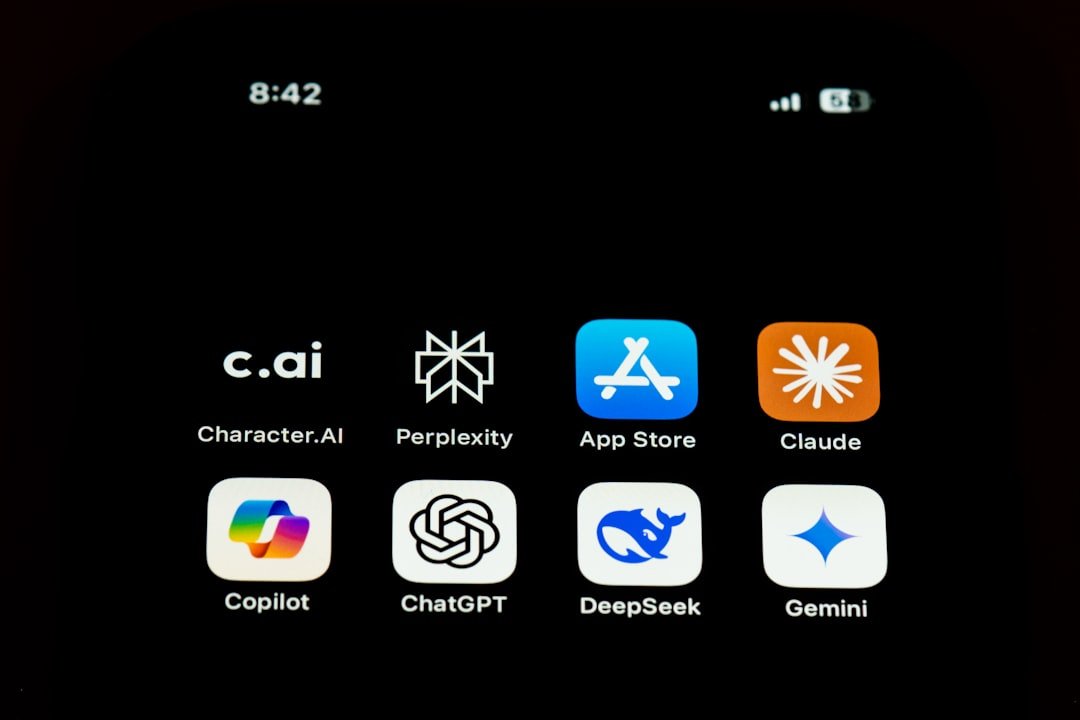
Generative AI represents a transformative leap in the realm of artificial intelligence, characterized by its ability to create new content, whether it be text, images, music, or even complex simulations. Unlike traditional AI systems that primarily analyze and interpret existing data, generative AI employs sophisticated algorithms to produce original outputs based on learned patterns from vast datasets. This technology has gained significant traction in recent years, fueled by advancements in machine learning techniques, particularly deep learning and neural networks.
As a result, generative AI is not only reshaping industries such as entertainment and design but is also making profound inroads into the educational sector. The implications of generative AI in education are particularly noteworthy. As educators seek innovative ways to engage students and enhance learning experiences, generative AI offers tools that can personalize education, foster creativity, and facilitate collaborative projects.
By harnessing the power of generative AI, educators can create dynamic learning environments that encourage exploration and experimentation. This article delves into the multifaceted relationship between generative AI and student creativity, exploring how this technology is redefining educational practices and the potential it holds for future generations.
Key Takeaways
- Generative AI refers to technology that can create new content, such as images, text, and music, without direct human input.
- Creativity is the ability to generate new ideas, concepts, or associations that are original and valuable.
- Generative AI is revolutionizing education by providing new tools for teaching and learning, such as personalized learning experiences and interactive content creation.
- Generative AI can help students develop their creativity by providing them with new ways to express themselves and explore their ideas.
- Examples of generative AI tools for student creativity include chatbots for language learning, AI-generated art, and interactive storytelling platforms.
Understanding the Concept of Creativity
Creativity is often perceived as a uniquely human trait, encompassing the ability to generate novel ideas, solve problems in innovative ways, and express oneself through various mediums. It is a complex cognitive process that involves divergent thinking, where individuals explore multiple solutions to a given problem, and convergent thinking, where they refine those ideas into a coherent outcome. The interplay between these cognitive processes is what makes creativity so valuable across disciplines, from the arts to the sciences.
In educational contexts, fostering creativity is essential for developing critical thinking skills and preparing students for an increasingly complex world. Moreover, creativity is not limited to artistic endeavors; it permeates all aspects of life and learning. It can manifest in scientific inquiry, technological innovation, and even social interactions.
Understanding creativity as a multifaceted construct allows educators to appreciate its role in holistic development. By nurturing creativity in students, educators can cultivate resilience, adaptability, and a lifelong love for learning. This understanding sets the stage for exploring how generative AI can serve as a catalyst for enhancing creative expression among students.
How Generative AI is Changing the Landscape of Education
The integration of generative AI into educational settings is revolutionizing traditional teaching methodologies. One of the most significant changes is the shift from a one-size-fits-all approach to personalized learning experiences tailored to individual student needs. Generative AI can analyze student performance data and learning styles to create customized educational content that resonates with each learner.
For instance, platforms powered by generative AI can generate practice problems in mathematics that adapt in difficulty based on a student’s proficiency level, ensuring that learners are consistently challenged yet not overwhelmed. Additionally, generative AI facilitates collaborative learning environments where students can engage with peers and educators in new ways. Tools that utilize generative AI can enable real-time feedback on student projects, allowing for iterative improvements and fostering a culture of continuous learning.
This collaborative aspect is particularly important in creative disciplines where peer input can significantly enhance the quality of work produced. By leveraging generative AI, educators can create spaces where students feel empowered to share their ideas and collaborate on projects that push the boundaries of their creativity.
The Role of Generative AI in Fostering Student Creativity
Generative AI plays a pivotal role in fostering student creativity by providing tools that encourage exploration and experimentation. For instance, creative writing applications powered by generative AI can assist students in brainstorming ideas, developing plots, or even generating entire narratives based on prompts provided by the user. This not only alleviates writer’s block but also inspires students to think outside the box and explore different narrative styles or genres they may not have considered otherwise.
In visual arts education, generative AI tools can help students experiment with various artistic styles and techniques without the fear of making mistakes. Programs that generate artwork based on user inputs allow students to manipulate colors, shapes, and forms in real-time, leading to unique creations that reflect their individual artistic voices. This hands-on approach encourages risk-taking and innovation, essential components of the creative process.
By providing a safe space for experimentation, generative AI empowers students to push their creative boundaries and develop their unique perspectives.
Examples of Generative AI Tools for Student Creativity
Several generative AI tools have emerged that specifically cater to enhancing student creativity across various disciplines. One notable example is OpenAI’s ChatGPT, which can assist students in generating ideas for essays or projects by engaging them in conversation about their topics of interest. This tool not only helps students articulate their thoughts but also exposes them to diverse perspectives that can enrich their understanding of the subject matter.
In the realm of visual arts, tools like DeepArt and Artbreeder allow students to create stunning visuals by blending different artistic styles or images. These platforms utilize neural networks to analyze existing artworks and generate new pieces based on user-defined parameters. Such tools not only provide students with immediate feedback on their artistic choices but also encourage them to explore the intersection of technology and art.
Similarly, music composition software powered by generative AI can help aspiring musicians experiment with melodies and harmonies, enabling them to compose original pieces without extensive training in music theory.
Potential Benefits of Generative AI for Student Creativity
The benefits of integrating generative AI into educational practices are manifold. One significant advantage is the democratization of creativity; students who may have previously felt intimidated by traditional artistic processes can now engage with creative tasks more confidently. Generative AI lowers barriers to entry by providing accessible tools that guide users through complex creative endeavors.
This inclusivity fosters a diverse range of voices and perspectives within creative fields. Furthermore, generative AI enhances engagement by making learning interactive and enjoyable. Students are more likely to invest time and effort into projects when they have access to tools that spark their interest and allow for self-expression.
The immediate feedback provided by generative AI systems encourages iterative learning—a process where students refine their work based on constructive criticism rather than waiting for formal assessments from educators. This continuous cycle of creation and feedback cultivates a growth mindset among students, reinforcing the idea that creativity is a skill that can be developed over time.
Potential Challenges and Risks of Generative AI in Student Creativity
Despite its numerous advantages, the integration of generative AI into educational settings is not without challenges and risks. One primary concern is the potential for over-reliance on technology at the expense of fundamental creative skills. If students become too dependent on generative AI tools for idea generation or execution, they may neglect essential practices such as brainstorming or manual artistic techniques that are crucial for developing their creative abilities.
Moreover, there are ethical considerations surrounding originality and authorship when using generative AI tools. As these systems generate content based on existing works, questions arise about intellectual property rights and the authenticity of student-created work. Educators must navigate these complexities carefully to ensure that students understand the importance of originality while still benefiting from the capabilities offered by generative AI.
Integrating Generative AI into the Classroom for Creative Learning
To effectively integrate generative AI into classrooms for creative learning, educators must adopt a thoughtful approach that balances technology use with traditional pedagogical methods. One effective strategy is to incorporate project-based learning where students use generative AI tools as part of larger creative projects. For example, a multimedia project could involve students using generative AI to create visual elements while also engaging in research and writing components that require critical thinking.
Professional development for educators is also crucial in this integration process. Teachers need training not only on how to use generative AI tools but also on how to facilitate discussions around creativity and technology’s role in it. By equipping educators with the necessary skills and knowledge, schools can create an environment where both teachers and students feel empowered to explore the possibilities offered by generative AI.
Ethical Considerations in Using Generative AI for Student Creativity
The ethical implications of using generative AI in education cannot be overlooked. As students engage with these technologies, it is essential to instill an understanding of responsible use and ethical considerations surrounding content creation. Discussions about plagiarism, copyright issues, and the importance of giving credit to original sources should be integral parts of any curriculum involving generative AI tools.
Additionally, educators must be vigilant about ensuring equitable access to technology among all students. Disparities in access to devices or high-speed internet can exacerbate existing inequalities in education. Schools should strive to provide resources that allow all students to benefit from generative AI tools regardless of their socioeconomic background.
The Future of Generative AI in Student Creativity
Looking ahead, the future of generative AI in fostering student creativity appears promising yet complex. As technology continues to evolve, we can expect even more sophisticated tools that will further enhance creative expression across disciplines. Innovations such as virtual reality (VR) combined with generative AI could offer immersive experiences where students create art or music within virtual environments, pushing the boundaries of traditional creative practices.
Moreover, as educators become more adept at integrating these technologies into their teaching practices, we may see a shift in how creativity is assessed within educational systems. Traditional grading methods may evolve to prioritize process-oriented assessments that value experimentation and iterative improvement over final products alone. This shift could lead to a more holistic understanding of student creativity and its development over time.
Nurturing Creativity with Generative AI in Education
The intersection of generative AI and education presents an exciting frontier for nurturing student creativity. By embracing this technology thoughtfully and ethically, educators have the opportunity to empower students with tools that enhance their creative potential while fostering critical thinking skills essential for success in an increasingly complex world. As we navigate this evolving landscape, it is crucial to remain mindful of both the benefits and challenges associated with generative AI’s integration into educational practices—ensuring that creativity remains at the forefront of learning experiences for all students.