





Artificial Intelligence (AI) has emerged as a transformative force in various sectors, and education is no exception. The integration of AI technologies into educational frameworks is reshaping how knowledge is imparted and absorbed. AI systems can analyze vast amounts of data, providing insights that can enhance teaching methodologies and learning experiences.
For instance, AI-driven platforms can assess student performance in real-time, identifying areas where learners struggle and suggesting tailored interventions. This capability allows educators to focus their efforts on individual student needs, fostering a more effective learning environment. Moreover, AI’s role extends beyond mere assessment; it also encompasses administrative functions that streamline educational processes.
Tasks such as grading, scheduling, and resource allocation can be automated through AI systems, freeing educators to concentrate on teaching and mentoring. By reducing the administrative burden, AI enables teachers to devote more time to engaging with students and developing innovative instructional strategies. This dual role of AI—enhancing both learning experiences and administrative efficiency—positions it as a pivotal element in the evolution of modern education.
Addressing the Challenges of Inclusive Education
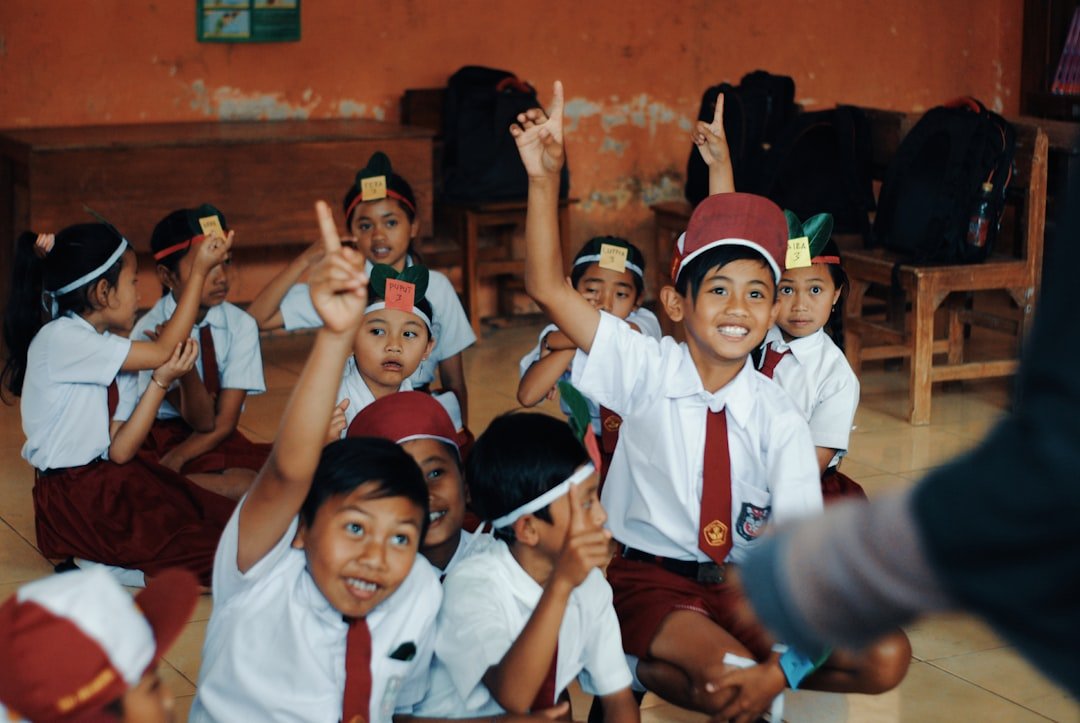
Inclusive education aims to provide equitable learning opportunities for all students, regardless of their backgrounds or abilities. However, achieving true inclusivity presents numerous challenges. One significant hurdle is the diverse range of learning needs within a single classroom.
Students may have varying cognitive abilities, language proficiencies, and emotional needs, making it difficult for educators to address each individual’s requirements effectively. Traditional teaching methods often fall short in accommodating this diversity, leading to disengagement and underperformance among certain groups. AI can play a crucial role in overcoming these challenges by offering tailored solutions that cater to individual learning styles.
For example, AI algorithms can analyze student interactions and performance data to identify patterns that indicate specific learning needs. This information can then be used to create customized learning plans that adapt in real-time to each student’s progress. By leveraging AI’s analytical capabilities, educators can ensure that all students receive the support they need to thrive in an inclusive environment.
Leveraging AI for Personalized Learning
Personalized learning is an educational approach that tailors instruction to meet the unique needs of each student. AI technologies are particularly well-suited for this purpose, as they can process large datasets to identify individual learning preferences and performance trends. For instance, adaptive learning platforms utilize AI algorithms to adjust the difficulty of tasks based on a student’s mastery level.
If a student excels in a particular subject area, the system can present more challenging material, while offering additional support in areas where the student struggles. Furthermore, personalized learning through AI extends beyond academic content; it also encompasses emotional and social dimensions. AI-driven tools can monitor students’ engagement levels and emotional responses during lessons, providing educators with insights into their well-being.
This holistic approach allows teachers to intervene when necessary, ensuring that students not only achieve academic success but also develop essential social skills and emotional resilience.
Ensuring Accessibility in Education Resources
Accessibility in education is a fundamental principle that ensures all students can access learning materials and resources without barriers. However, many traditional educational resources are not designed with accessibility in mind, leaving students with disabilities at a disadvantage. AI technologies can help bridge this gap by creating adaptive resources that cater to diverse needs.
For example, text-to-speech software powered by AI can convert written content into audio format, enabling visually impaired students to engage with the material effectively. Additionally, AI can facilitate the creation of alternative formats for educational resources. For instance, visual content can be enhanced with descriptive audio or captions for students with hearing impairments.
By employing machine learning algorithms, educators can generate customized resources that align with individual accessibility requirements. This proactive approach not only promotes inclusivity but also enriches the overall educational experience for all learners.
Implementing AI for Multisensory Learning
Multisensory learning engages multiple senses simultaneously, enhancing retention and understanding of information.
For example, virtual reality (VR) applications powered by AI can transport students into simulated environments where they can explore complex concepts in a hands-on manner.
A biology lesson on ecosystems could be transformed into an engaging VR experience where students interact with virtual flora and fauna. Moreover, AI can facilitate the integration of various sensory modalities into traditional learning environments. For instance, educational apps can combine visual aids, auditory instructions, and tactile feedback to create a comprehensive learning experience.
By catering to different sensory preferences, AI-driven multisensory learning tools can accommodate diverse learners and enhance their understanding of complex subjects.
Using AI to Create Culturally Responsive Content
Culturally responsive education recognizes the importance of incorporating students’ cultural backgrounds into the learning process. However, creating content that resonates with diverse cultural perspectives can be challenging for educators. AI technologies offer innovative solutions by analyzing cultural data and generating relevant educational materials.
For instance, machine learning algorithms can identify themes and narratives prevalent in various cultures, allowing educators to develop content that reflects students’ identities and experiences. Additionally, AI can assist in curating resources that celebrate diversity and promote cross-cultural understanding. By leveraging natural language processing (NLP), AI systems can analyze literature from different cultures and suggest texts that align with specific themes or topics being studied in class.
This capability not only enriches the curriculum but also fosters an inclusive environment where all students feel valued and represented.
Overcoming Language Barriers with AI
Language barriers pose significant challenges in diverse classrooms where students speak different languages or dialects. Traditional language instruction methods may not adequately address these challenges, leading to frustration and disengagement among non-native speakers. AI technologies offer powerful solutions for overcoming language barriers through real-time translation and language learning applications.
For example, AI-powered translation tools can facilitate communication between teachers and students who speak different languages, ensuring that all learners have access to the same information. Moreover, language learning applications powered by AI can provide personalized instruction tailored to individual proficiency levels. These applications often utilize speech recognition technology to assess pronunciation and fluency, offering immediate feedback to learners.
By providing targeted support for language acquisition, AI helps create an inclusive environment where all students can participate fully in classroom discussions and activities.
Promoting Equity and Diversity through AI
Equity in education involves ensuring that all students have access to the resources and opportunities they need to succeed. However, systemic inequalities often hinder this goal, particularly for marginalized groups. AI technologies have the potential to promote equity by identifying disparities in educational outcomes and providing targeted interventions.
For instance, data analytics powered by AI can reveal patterns of achievement gaps among different demographic groups, enabling educators to implement strategies that address these disparities. Furthermore, AI can facilitate the development of diverse curricula that reflect a wide range of perspectives and experiences. By analyzing educational content for representation and inclusivity, AI systems can help educators create materials that resonate with all students.
This commitment to diversity not only enriches the learning experience but also fosters a sense of belonging among students from various backgrounds.
Supporting Students with Disabilities through AI
Students with disabilities often face unique challenges in traditional educational settings, making it essential to provide tailored support that meets their specific needs. AI technologies offer innovative solutions for enhancing accessibility and promoting success among these learners. For example, speech recognition software powered by AI can assist students with physical disabilities in completing written assignments by converting spoken words into text.
Additionally, AI-driven tools can provide personalized interventions for students with learning disabilities such as dyslexia or ADHD. These tools may include adaptive reading programs that adjust text complexity based on individual progress or interactive applications that engage students through gamified learning experiences. By leveraging AI’s capabilities, educators can create inclusive environments where students with disabilities receive the support they need to thrive academically.
Collaborating with Educators and AI Experts
The successful integration of AI into education requires collaboration between educators and technology experts. Educators possess invaluable insights into classroom dynamics and student needs, while AI experts bring technical knowledge and innovative solutions to the table. By working together, these two groups can develop effective strategies for implementing AI technologies in ways that enhance teaching and learning.
Professional development programs focused on AI literacy for educators are essential for fostering this collaboration. Training sessions that equip teachers with the skills needed to utilize AI tools effectively will empower them to make informed decisions about technology integration in their classrooms. Furthermore, ongoing dialogue between educators and AI developers will ensure that emerging technologies align with pedagogical goals and address real-world challenges faced by teachers and students alike.
Future Trends in AI for Inclusive Education
As technology continues to evolve rapidly, the future of AI in education holds exciting possibilities for further enhancing inclusivity. One emerging trend is the use of advanced analytics to predict student outcomes based on historical data. By identifying at-risk students early on, educators can implement timely interventions that prevent academic failure and promote success.
Another promising development is the increasing use of collaborative AI systems that facilitate peer-to-peer learning among students from diverse backgrounds. These systems can connect learners across geographical boundaries, allowing them to share knowledge and experiences while fostering cross-cultural understanding. Moreover, advancements in natural language processing will likely lead to even more sophisticated language translation tools that break down communication barriers in multilingual classrooms.
As these technologies continue to develop, they will play a crucial role in creating equitable educational environments where every student has the opportunity to succeed regardless of their background or abilities. In summary, the integration of AI into education presents numerous opportunities for enhancing inclusivity and promoting equitable learning experiences for all students. By addressing challenges related to diverse learning needs, accessibility, cultural responsiveness, language barriers, equity, and support for students with disabilities, educators can leverage AI technologies to create dynamic and inclusive classrooms that prepare learners for success in an increasingly complex world.