








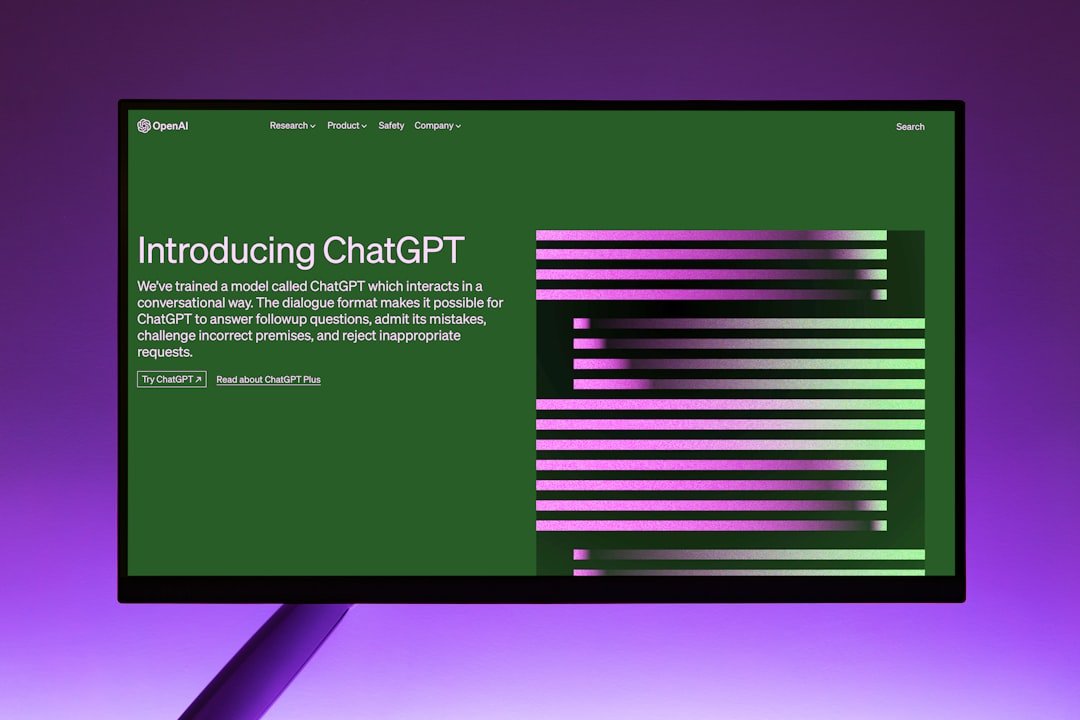
In the rapidly evolving landscape of education, technology has become an indispensable ally in enhancing student experiences. Among the myriad of technological innovations, chatbots have emerged as a transformative tool for student support. These AI-driven conversational agents are designed to interact with students in real-time, providing assistance, answering queries, and facilitating access to resources.
The integration of chatbots into educational institutions marks a significant shift in how support services are delivered, moving from traditional methods to more dynamic, responsive systems. As students increasingly seek immediate answers and personalized assistance, chatbots offer a solution that aligns with their expectations and lifestyles. The rise of chatbots in educational settings is not merely a trend; it reflects a fundamental change in the way institutions approach student engagement and support.
By leveraging natural language processing and machine learning, chatbots can simulate human-like conversations, making them an effective medium for communication. They can handle a wide range of inquiries, from administrative questions about enrollment and course schedules to more complex issues related to academic advising and mental health resources. This capability not only enhances the efficiency of support services but also allows human staff to focus on more nuanced and sensitive student needs.
Key Takeaways
- Chatbots are virtual assistants that can provide support to students in various aspects of their academic journey.
- 24/7 student support is crucial for addressing the diverse needs and challenges that students may face at any time of the day.
- Understanding the needs of students is essential for designing chatbots that can effectively provide personalized support and guidance.
- Developing chatbots for student support requires careful consideration of user experience, language processing, and integration with existing support systems.
- Implementing chatbots into student support systems can streamline communication, provide quick responses, and free up human resources for more complex issues.
The Importance of 24/7 Student Support
Flexibility and Accessibility
Students can engage with chatbots at any time, whether it’s late at night while studying for exams or early in the morning before classes begin. This flexibility ensures that help is always available, reducing the anxiety that can accompany academic challenges.
Enhancing Student Retention
Moreover, the availability of 24/7 support can significantly enhance student retention rates. When students feel supported and have immediate access to resources, they are more likely to persist through challenges and remain engaged in their studies.
Empowering Students
For instance, a student struggling with a particular subject can quickly access tutoring resources or academic advice through a chatbot, rather than waiting for office hours to seek help. This immediacy not only fosters a sense of belonging but also empowers students to take charge of their educational journeys.
Understanding the Needs of Students
To design effective chatbots for student support, it is essential to first understand the diverse needs of the student population. Students come from various backgrounds and possess different levels of technological proficiency, which influences how they interact with digital tools. For instance, first-year students may require more guidance on navigating campus resources, while upperclassmen might seek specialized advice related to internships or graduate school applications.
Recognizing these distinctions allows institutions to tailor chatbot functionalities to meet specific user needs. Additionally, students often face unique challenges that extend beyond academic concerns. Mental health issues, financial stressors, and social integration are just a few areas where students may seek support.
For example, if a student expresses feelings of anxiety or depression, the chatbot could guide them toward counseling services or wellness programs available on campus. By addressing both academic and personal needs, chatbots can play a pivotal role in fostering holistic student well-being.
Designing and Developing Chatbots for Student Support
The design and development of chatbots for student support require careful consideration of user experience and functionality. A successful chatbot should be intuitive and user-friendly, allowing students to navigate conversations seamlessly. This involves creating a conversational flow that anticipates common questions and provides clear, concise answers.
Utilizing user feedback during the design phase can help identify potential pain points and areas for improvement, ensuring that the final product meets the expectations of its users. Incorporating advanced technologies such as natural language processing (NLP) is crucial for enhancing the chatbot’s ability to understand and respond to student inquiries effectively. NLP enables chatbots to interpret the nuances of human language, allowing them to engage in more meaningful conversations.
Additionally, integrating machine learning algorithms can help chatbots learn from interactions over time, improving their responses based on previous conversations. For instance, if a chatbot frequently encounters questions about financial aid deadlines, it can prioritize this information in future interactions, thereby increasing its relevance and utility.
Implementing Chatbots into Student Support Systems
The successful implementation of chatbots into existing student support systems requires strategic planning and collaboration among various stakeholders within an educational institution. It is essential to integrate the chatbot with existing databases and systems to ensure that it has access to up-to-date information regarding courses, events, and resources. This integration allows the chatbot to provide accurate responses and enhances its overall effectiveness as a support tool.
Training staff on how to utilize the chatbot effectively is another critical aspect of implementation. Faculty and support staff should be familiar with the chatbot’s capabilities so they can guide students appropriately when necessary. Additionally, promoting the chatbot among students through orientation sessions, social media campaigns, and campus events can increase awareness and encourage usage.
By fostering a culture of digital engagement, institutions can maximize the benefits of chatbot technology in supporting their student populations.
Training and Maintaining Chatbots for Effective Student Support
Once implemented, chatbots require ongoing training and maintenance to ensure they remain effective in meeting student needs. Regular updates are necessary to incorporate new information about courses, policies, and resources as they evolve over time. Additionally, monitoring chatbot interactions can provide valuable insights into common queries and areas where students may struggle to find answers.
This data can inform future updates and enhancements to the chatbot’s capabilities. Furthermore, maintaining a feedback loop with users is essential for continuous improvement. Encouraging students to provide feedback on their experiences with the chatbot can help identify strengths and weaknesses in its performance.
Institutions can use this feedback to refine conversational flows, improve response accuracy, and enhance overall user satisfaction. By treating the chatbot as a living entity that evolves based on user interactions, educational institutions can ensure it remains a relevant and valuable resource for students.
Measuring the Success of Chatbots in Student Support
Evaluating the success of chatbots in student support involves analyzing various metrics that reflect their impact on student engagement and satisfaction. Key performance indicators (KPIs) such as response time, resolution rates, and user satisfaction scores can provide insights into how well the chatbot is performing its intended functions. For instance, tracking how quickly the chatbot responds to inquiries can reveal whether it is meeting the 24/7 support goal effectively.
Additionally, analyzing user engagement metrics—such as the number of interactions per user or the frequency of return visits—can indicate how well students are utilizing the chatbot as a resource. Surveys conducted after interactions can also yield qualitative data on user satisfaction and areas for improvement. By systematically measuring these factors, institutions can assess the overall effectiveness of their chatbot initiatives and make informed decisions about future enhancements.
Future Trends in Chatbots for Student Support
As technology continues to advance, the future of chatbots in student support holds exciting possibilities. One emerging trend is the integration of artificial intelligence (AI) with emotional intelligence capabilities. Future chatbots may be able to recognize emotional cues in student interactions—such as frustration or confusion—and respond with empathy or escalate issues to human advisors when necessary.
This level of sophistication could significantly enhance the quality of support provided.
This could make accessing information even more convenient for students who are on-the-go or prefer verbal communication over typing.
Additionally, as institutions continue to embrace personalized learning experiences, chatbots may evolve into more tailored advisors that provide customized recommendations based on individual student profiles and academic histories. In conclusion, chatbots represent a significant advancement in student support services within educational institutions. Their ability to provide 24/7 assistance tailored to diverse student needs positions them as invaluable tools in fostering academic success and overall well-being among students.
As technology continues to evolve, so too will the capabilities of chatbots, paving the way for even more innovative solutions in the realm of education.