








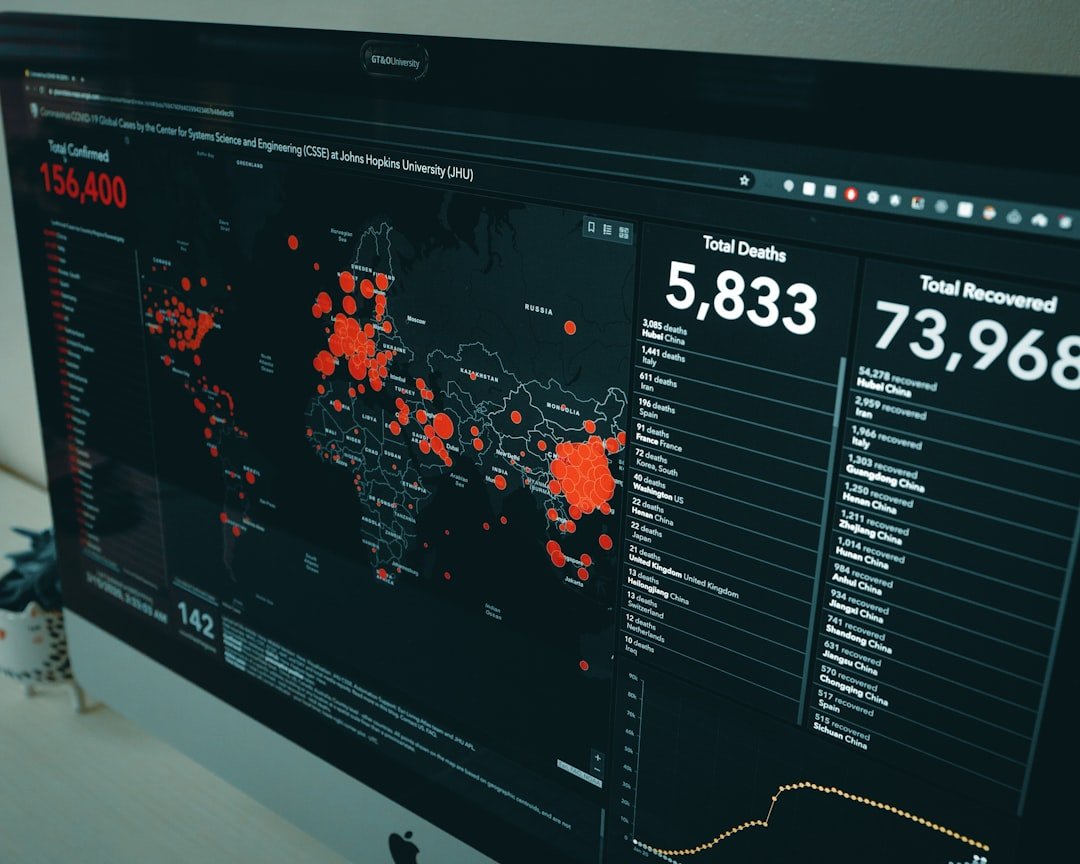
The emergence of artificial intelligence (AI) has significantly transformed various sectors, with predictive analytics being one of the most impacted areas. Over the past decade, organizations have increasingly recognized the potential of AI to analyze vast amounts of data and generate insights that were previously unattainable. This shift has been driven by advancements in machine learning algorithms, increased computational power, and the availability of big data.
As businesses strive to remain competitive in an ever-evolving marketplace, the integration of AI into predictive analytics has become a strategic imperative. The rise of AI in predictive analytics is not merely a trend; it represents a fundamental change in how organizations approach decision-making. Traditional methods of data analysis often relied on historical data and statistical models that could be limited in scope and accuracy.
In contrast, AI-driven predictive analytics leverages sophisticated algorithms that can learn from new data patterns, adapt to changes in the environment, and provide real-time insights. This capability allows businesses to anticipate customer behavior, optimize operations, and enhance overall performance, thereby solidifying AI’s role as a cornerstone of modern analytics.
Understanding the Role of AI in Business Growth
Optimizing Operations with Predictive Insights
For instance, retailers can analyze customer purchasing behavior to optimize inventory management, ensuring that popular products are always in stock while minimizing excess inventory costs. This level of insight not only improves operational efficiency but also enhances customer satisfaction, leading to increased sales and loyalty.
Personalized Marketing Strategies for Maximum Impact
Moreover, AI facilitates personalized marketing strategies that resonate with individual consumers. By analyzing data from various sources, including social media interactions and purchase history, businesses can tailor their marketing efforts to meet the specific needs and preferences of their target audience.
Driving Revenue Growth through Enhanced Predictive Analytics
This personalized approach not only increases engagement but also drives conversion rates, ultimately contributing to revenue growth. As organizations continue to embrace AI technologies, the potential for business growth through enhanced predictive analytics becomes increasingly evident.
How AI is Revolutionizing Predictive Analytics
AI is revolutionizing predictive analytics by introducing advanced techniques that enhance the accuracy and speed of data analysis. Traditional predictive models often relied on linear regression or other statistical methods that could struggle with complex datasets. In contrast, AI employs machine learning algorithms capable of processing large volumes of unstructured data, such as text, images, and videos.
This ability to analyze diverse data types allows organizations to gain deeper insights into customer behavior and market trends. One notable example of AI’s impact on predictive analytics is the use of neural networks in forecasting demand. These algorithms can identify intricate patterns within historical sales data and external factors such as economic indicators or seasonal trends.
By continuously learning from new data inputs, neural networks can refine their predictions over time, resulting in more accurate forecasts. This level of precision is invaluable for businesses seeking to optimize their supply chain operations and reduce costs associated with overstocking or stockouts.
The Benefits of Leveraging AI for Predictive Analytics
The benefits of leveraging AI for predictive analytics are manifold, encompassing improved decision-making, enhanced operational efficiency, and increased competitive advantage. One of the most significant advantages is the ability to make informed decisions based on real-time data analysis. Organizations can respond swiftly to market changes or customer preferences, allowing them to stay ahead of competitors who may rely on outdated information.
Additionally, AI-driven predictive analytics can lead to cost savings by optimizing resource allocation. For example, in the manufacturing sector, predictive maintenance powered by AI can forecast equipment failures before they occur, enabling companies to schedule maintenance proactively rather than reactively. This not only minimizes downtime but also extends the lifespan of machinery, resulting in substantial cost reductions over time.
Furthermore, businesses can allocate marketing budgets more effectively by targeting high-potential customers identified through predictive models, maximizing return on investment.
Implementing AI for Predictive Analytics in Your Business
Implementing AI for predictive analytics requires a strategic approach that encompasses several key steps.
This involves evaluating data quality, accessibility, and storage capabilities.
Clean and well-structured data is essential for training machine learning models effectively. Once the data infrastructure is established, businesses should identify specific use cases where predictive analytics can add value. For instance, a financial institution may focus on credit risk assessment or fraud detection, while a healthcare provider might prioritize patient outcome predictions.
By aligning AI initiatives with organizational goals, companies can maximize the impact of their predictive analytics efforts. Training staff on AI tools and methodologies is another critical aspect of successful implementation. Employees must understand how to interpret AI-generated insights and integrate them into their decision-making processes.
Collaborating with data scientists or hiring external consultants can also facilitate a smoother transition into AI-driven predictive analytics.
Overcoming Challenges in Adopting AI for Predictive Analytics
Despite the numerous advantages of adopting AI for predictive analytics, organizations often encounter challenges during implementation. One significant hurdle is the lack of skilled personnel who possess the necessary expertise in data science and machine learning. The demand for professionals with these skills has surged, leading to a competitive job market where finding qualified candidates can be difficult.
Another challenge lies in addressing data privacy concerns. As organizations collect and analyze vast amounts of personal data to enhance predictive models, they must navigate complex regulations such as GDPR or CCPEnsuring compliance while leveraging customer data for insights requires a delicate balance between innovation and ethical considerations. Additionally, organizations may face resistance to change from employees accustomed to traditional methods of analysis.
To overcome this barrier, it is essential to foster a culture that embraces data-driven decision-making and highlights the benefits of AI-powered insights. Providing training sessions and showcasing successful case studies can help alleviate concerns and encourage buy-in from stakeholders.
AI Tools and Technologies for Predictive Analytics
A wide array of AI tools and technologies are available to facilitate predictive analytics across various industries. Popular platforms such as TensorFlow and PyTorch provide robust frameworks for building machine learning models that can analyze complex datasets efficiently. These open-source libraries enable organizations to develop custom algorithms tailored to their specific needs.
In addition to these frameworks, several specialized tools cater specifically to predictive analytics applications. For instance, IBM Watson offers a suite of AI-powered solutions designed for industries ranging from healthcare to finance. Its capabilities include natural language processing and machine learning algorithms that can analyze unstructured data sources like medical records or financial transactions.
Furthermore, cloud-based platforms such as Microsoft Azure and Google Cloud provide scalable infrastructure for deploying predictive analytics solutions without the need for extensive on-premises hardware investments. These platforms offer pre-built machine learning models and tools that simplify the process of integrating AI into existing workflows.
The Future of AI in Predictive Analytics and Business Growth
The future of AI in predictive analytics is poised for remarkable growth as technological advancements continue to unfold. As organizations increasingly recognize the value of data-driven insights, investments in AI technologies are expected to surge. The integration of advanced techniques such as deep learning and reinforcement learning will further enhance the capabilities of predictive analytics tools.
Moreover, the proliferation of Internet of Things (IoT) devices will generate an unprecedented volume of real-time data that can be harnessed for predictive analytics purposes. Businesses will be able to leverage this influx of information to gain deeper insights into customer behavior and operational efficiency. For example, smart home devices can provide valuable data on user preferences that companies can use to tailor their products or services accordingly.
As AI technologies evolve, ethical considerations surrounding data usage will also gain prominence. Organizations will need to prioritize transparency and accountability in their predictive analytics practices to build trust with consumers. Striking a balance between innovation and ethical responsibility will be crucial for sustainable growth in the future landscape of AI-driven predictive analytics.
Case Studies: Successful Implementation of AI for Predictive Analytics
Numerous organizations have successfully implemented AI-driven predictive analytics strategies that have yielded significant results. One notable example is Netflix, which utilizes sophisticated algorithms to analyze viewer preferences and behavior patterns. By leveraging this data, Netflix can recommend personalized content to users, enhancing user engagement and retention rates.
Another compelling case study is that of Amazon, which employs predictive analytics to optimize its supply chain operations. By analyzing historical sales data alongside external factors such as weather patterns or local events, Amazon can forecast demand accurately and adjust inventory levels accordingly. This proactive approach minimizes stockouts and ensures timely delivery to customers.
In the healthcare sector, organizations like Mount Sinai Health System have harnessed AI for predictive analytics to improve patient outcomes. By analyzing electronic health records and other patient data, they can identify individuals at risk for certain conditions and intervene early with targeted treatments. This not only enhances patient care but also reduces healthcare costs associated with late-stage interventions.
Ethical Considerations in AI-Powered Predictive Analytics
As organizations increasingly adopt AI-powered predictive analytics, ethical considerations surrounding data usage become paramount. The collection and analysis of personal data raise concerns about privacy and consent. Businesses must ensure they are transparent about how they collect data and how it will be used in predictive models.
Moreover, there is a risk of bias in AI algorithms if they are trained on historical data that reflects societal inequalities or prejudices. For instance, if a predictive model used for hiring decisions is trained on biased historical hiring practices, it may inadvertently perpetuate discrimination against certain demographic groups. To mitigate this risk, organizations must implement rigorous testing protocols to identify and address biases within their algorithms.
Additionally, accountability in decision-making processes driven by AI insights is crucial. Organizations should establish clear guidelines regarding who is responsible for decisions made based on predictive analytics outcomes. This accountability fosters trust among stakeholders and ensures ethical practices are upheld throughout the organization.
Tips for Maximizing the Potential of AI in Predictive Analytics for Business Growth
To maximize the potential of AI in predictive analytics for business growth, organizations should adopt several best practices. First and foremost, investing in high-quality data management practices is essential. Ensuring that data is accurate, complete, and up-to-date will significantly enhance the effectiveness of predictive models.
Collaboration between departments is also vital for successful implementation. Data scientists should work closely with business leaders to align predictive analytics initiatives with organizational goals. This collaboration ensures that insights generated from AI models are actionable and relevant to decision-makers.
Furthermore, fostering a culture of continuous learning within the organization will enable teams to stay abreast of emerging trends in AI technology and predictive analytics methodologies. Encouraging experimentation with new tools and techniques can lead to innovative solutions that drive business growth.
By establishing clear guidelines around data usage and algorithmic accountability, businesses can build trust with customers while leveraging the power of AI for sustainable growth.